Comparing Manual vs Electric Corkscrews: Which is Right for You?
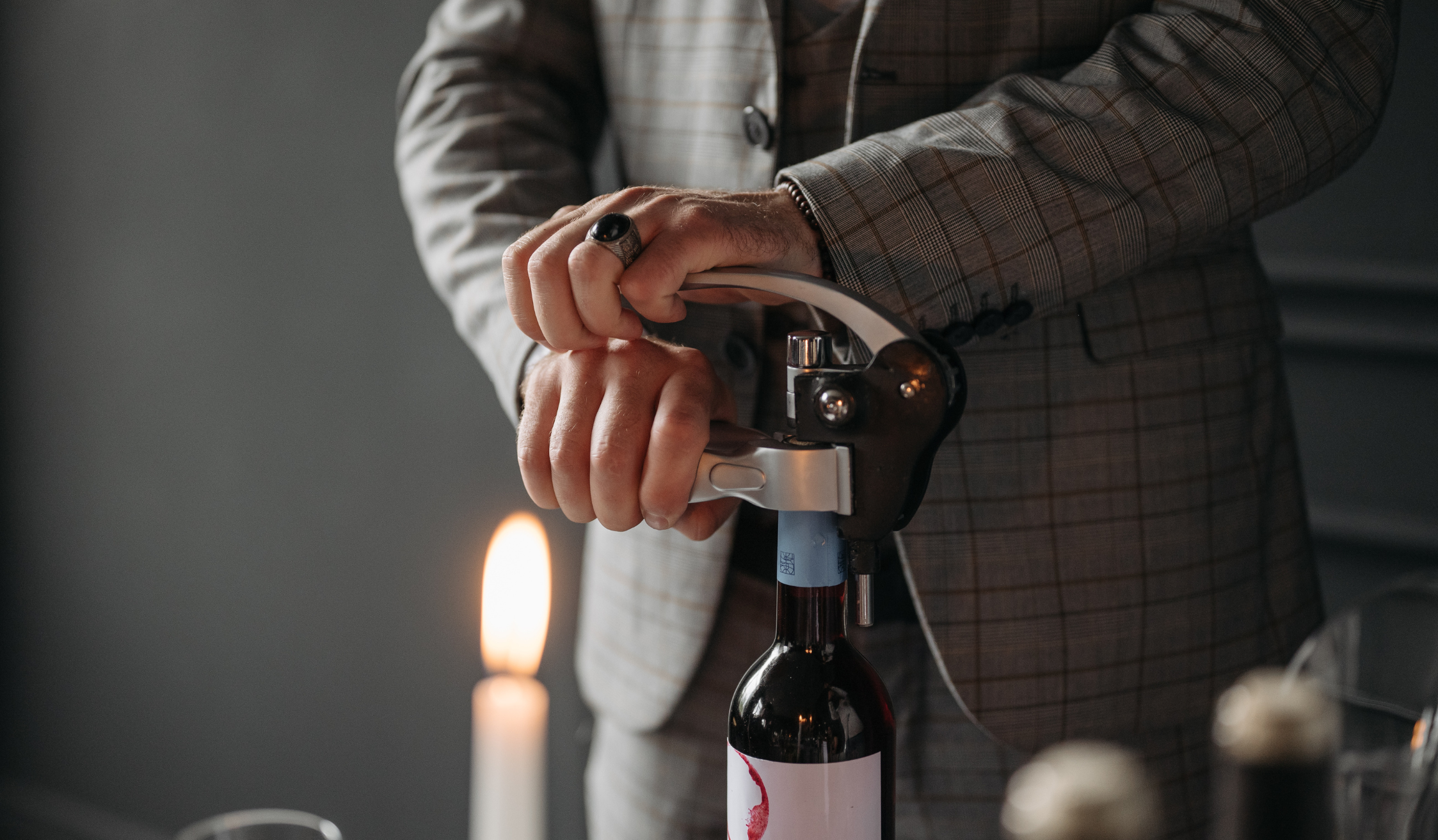
Manual corkscrews provide maximum control, long-term reliability, and precision, making them ideal for wine enthusiasts and professionals. Electric corkscrews prioritize speed, accessibility, and ease of use, making them best for high-volume settings or users with limited hand strength. The right corkscrew depends on how often you open wine, the condition of the corks, and whether durability or convenience matters more.
Key Takeaways
- Manual corkscrews offer superior control, durability, and compatibility with all cork types.
- Electric corkscrews excel in speed, accessibility, and repetitive bottle opening.
- Old or fragile corks require manual tools like a wine key or Ah-So cork puller.
- Professional environments prioritize reliability over automation.
- Long-term value favors manual corkscrews due to fewer failure points.
Manual vs Electric Corkscrews: Core Differences Explained
The fundamental difference between manual and electric corkscrews lies in control versus automation.
Manual corkscrews rely on mechanical leverage. The user controls insertion depth, extraction speed, and cork alignment. This reduces cork breakage and allows precise handling of natural, synthetic, or aged corks.
Electric corkscrews rely on motorized torque. With a press of a button, the worm drives into the cork and extracts it automatically. This removes physical effort but also removes tactile feedback, which matters when cork quality is inconsistent.
From an engineering standpoint, manual corkscrews convert hand force into controlled leverage. Electric models convert battery power into rotational force, introducing electrical components that can degrade over time.
Who Should Use a Manual Corkscrew

Manual corkscrews are the preferred choice for users who value control, longevity, and adaptability.
They are ideal for:
- Home wine enthusiasts who open bottles regularly
- Sommeliers and hospitality professionals
- Anyone opening older wines with natural corks
- Outdoor or travel settings without power access
Manual corkscrews also age well. A high-quality stainless-steel wine key can last decades with minimal maintenance.
Who Should Use an Electric Corkscrew
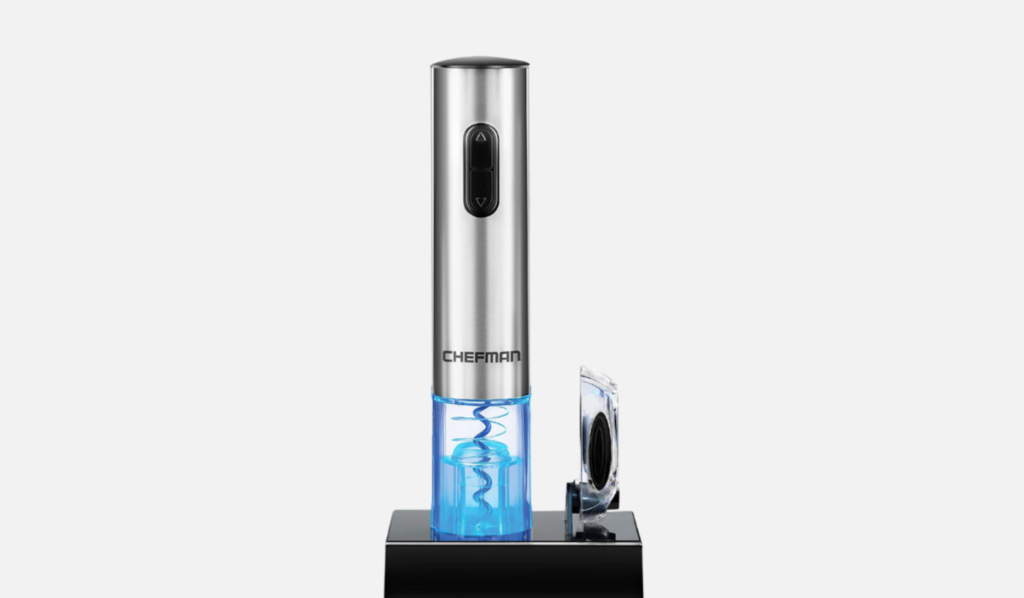
Electric corkscrews are best suited for environments where speed and physical ease outweigh precision.
They are ideal for:
- Events and catering operations
- High-volume home entertaining
- Users with arthritis or limited grip strength
- Situations requiring rapid bottle turnover
Electric models shine when opening multiple bottles back-to-back. Consistent motor torque reduces user fatigue, especially in social or commercial settings.
However, electric corkscrews perform best on standard, intact corks. They are less forgiving with brittle or partially degraded corks.
Durability, Maintenance, and Failure Points
Durability is where manual corkscrews clearly outperform electric models. Manual corkscrews have minimal failure points.
The primary wear component is the worm, which can be replaced or sharpened. Hinges and levers rarely fail when made from hardened steel.
Electric corkscrews introduce additional risks:
- Battery degradation over time
- Motor burnout under heavy use
- Gear slippage with dense corks
- Charging failures or power loss
From a cost-per-use perspective, a quality manual corkscrew almost always delivers better long-term value.
Corkscrew Types Explained: An Expert Guide

Wine Key (Waiter’s Friend)
A wine key is a compact, double-hinged manual corkscrew commonly used by sommeliers and hospitality professionals. The hinged lever provides controlled, staged extraction, reducing stress on the cork and minimizing breakage. Its portability, reliability, and precision make it the industry standard.
Lever Corkscrew
A lever corkscrew uses a vertical frame and handle to pull the cork straight out in a single motion. The mechanical advantage reduces physical effort and delivers consistent results on standard corks. Its larger size and higher cost make it less portable than a wine key.
Winged Corkscrew
A winged corkscrew relies on two side arms that rise as the worm is twisted into the cork and lower to extract it. The design is intuitive and accessible for beginners. However, it offers less control and can struggle with fragile or older corks.
Electric Corkscrew
An electric corkscrew uses a motorized worm to automatically remove the cork at the press of a button. It prioritizes speed and ease of use, especially for opening multiple bottles in succession. Performance depends on battery charge and cork condition.
Ah-So Cork Puller
An Ah-So cork puller removes corks using two thin prongs that slide between the cork and bottle neck instead of piercing the cork. This method is ideal for older wines with dry or delicate corks. It preserves cork integrity and reduces the risk of crumbling.
Air Pressure Opener
An air pressure opener extracts corks by injecting air into the bottle, forcing the cork upward. The process is fast and requires minimal physical effort. Improper use or excessive pressure can damage the cork or, in rare cases, the bottle.
Old Bottles, Fragile Corks, and Safety Considerations
Older wines often contain corks that are dry, brittle, or partially fused to the bottle neck.
Manual tools allow slow extraction, reduced torque, and immediate correction if resistance changes. This makes wine keys and Ah-So openers the safest options for aged bottles.
Electric corkscrews apply constant torque without feedback. On fragile corks, this increases the risk of crumbling or cork separation.
Sparkling wines should never be opened with any corkscrew. Champagne corks are pressure-retaining closures and must be released by hand.
Manual vs Electric Corkscrews: Side-by-Side Comparison
| Criteria | Manual Corkscrew | Electric Corkscrew |
| Control | High | Low |
| Ease of Use | Moderate | Very High |
| Durability | Excellent | Moderate |
| Maintenance | Minimal | Ongoing |
| Old Cork Safety | High | Low |
| Portability | Excellent | Limited |
| Power Required | None | Battery or charging |
How Professionals Choose Corkscrews

Wine professionals choose corkscrews based on reliability, control, and speed under pressure. The goal is to open bottles cleanly every time, regardless of cork condition or environment.
Professionals typically prioritize:
- Consistency – Manual wine keys perform the same way on every bottle, with no dependence on batteries or motors.
- Control – Wine keys allow precise insertion and extraction, which is critical for natural, aged, or fragile corks.
- Failure avoidance – Fewer moving parts means fewer breakdowns during service.
- Portability – A wine key fits in a pocket and is always ready to use.
Electric corkscrews are usually limited to specific use cases:
- Banquets and large events where speed matters more than precision
- Tasting rooms opening many bottles of similar age and condition
- Accessibility-focused settings for users with limited hand strength
For core restaurant service, professionals overwhelmingly rely on manual wine keys because they are predictable, durable, and never fail mid-service.
The Takeaway on Comparing Corkscrews
Manual and electric corkscrews are not competitors. They solve different problems.
Manual corkscrews are the best choice for long-term reliability, professional use, and handling diverse cork conditions. Electric corkscrews are best for convenience, accessibility, and high-volume opening.
At Wine‑n‑Gear, we recommend choosing the tool that matches how and where you actually open wine, not just how effortless the tool looks on the counter.
When precision matters, go manual. When speed matters, go electric.
Frequently Asked Questions:
1. What is the easiest type of corkscrew to use to open wine bottles?
An electric corkscrew is generally the easiest type to use because it requires minimal effort. You place it on the bottle, press a button, and the cork is removed automatically. This makes it ideal for people with limited hand strength or when opening multiple bottles quickly.
2. What is the difference between a corkscrew and a wine key?
A corkscrew is a broad term for any tool used to remove a cork from a wine bottle. A wine key, also called a Waiter’s Friend, is a specific type of corkscrew with a folding worm, lever, and foil cutter. Wine keys are widely used in restaurants because they are compact, reliable, and offer excellent control.
3. How do you choose a corkscrew?
Choosing a corkscrew depends on how often you open wine and how much control you want. Manual corkscrews are best for precision, durability, and handling different cork conditions. Electric corkscrews are better for convenience, speed, and users who prefer push-button operation.
4. Which tool is best to open a wine bottle?
The best tool depends on the situation and the type of wine being opened. A wine key is the most versatile and reliable option for everyday use. Electric corkscrews are best when speed and ease matter more than control.
5. What is the best corkscrew for old bottles?
The Ah-So cork puller is the best option for old bottles with fragile corks. It removes the cork by gripping the sides instead of piercing it. This reduces the risk of the cork crumbling into the wine.
6. What are the benefits of electric wine openers?
Electric wine openers offer speed, ease of use, and minimal physical effort. They are especially helpful for users with arthritis or limited grip strength. Many models also include rechargeable batteries and built-in foil cutters for added convenience.
7. How do you use a manual corkscrew?
Start by cutting the foil below the bottle lip and centering the worm on the cork. Twist the worm into the cork, then use the lever to pull the cork out slowly and evenly. Controlled extraction helps prevent cork breakage.
8. What happens if you use a corkscrew on champagne?
Using a corkscrew on champagne is unsafe and not recommended. Champagne corks are under pressure and are designed to be removed by hand. Using a corkscrew can cause the cork to eject violently or the bottle to break.
9. How do you use an electric corkscrew opener?
First, remove the foil and place the electric corkscrew centered over the bottle. Press the button to drive the worm into the cork and extract it automatically. Once removed, eject the cork from the device and serve the wine.