What Is a Lever Corkscrew and How Does It Work?
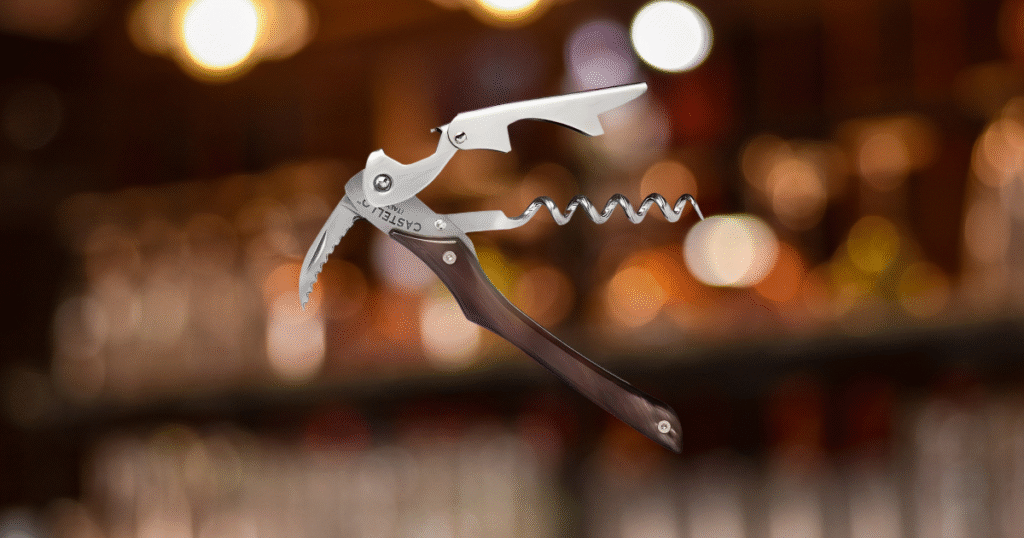
Wine lovers often talk about corkscrews the way musicians talk about instruments. The tool you choose shapes the experience. Some corkscrews require finesse. Some rely on muscle. The lever corkscrew, however, relies on smart mechanical advantage, giving you the feeling that the cork practically lifts itself from the bottle. When people first try a lever corkscrew, they often look surprised.
The feeling is smooth, almost effortless, and strangely satisfying. That sensation is exactly why we love them and why this type of corkscrew has become a favorite among both casual wine drinkers and professionals. A lever corkscrew works by using a lever-powered mechanism that multiplies your applied force, allowing the worm to enter and lift the cork smoothly with very little effort.
Key Takeaways
- A lever corkscrew uses mechanical leverage to multiply applied force, making wine opening feel nearly effortless.
- The worm design directly affects cork integrity by determining whether the cork is cleanly lifted or shredded during extraction.
- Lever corkscrews provide superior control compared with waiter’s or wing models by maintaining a single upward motion.
- Older and fragile corks benefit from lever extraction because it minimizes twist-induced stress and reduces crumbling.
- Choosing a well-built lever corkscrew improves long-term performance through durable materials, smooth hinge mechanics, and replaceable worm options.
Understanding the Mechanics

Primary Components of a Lever Corkscrew
A lever corkscrew is more than just a fancy gadget. Each part serves a purpose.
- Handle or grip: This is where your hands anchor. A good grip gives you stability and leverage.
- Lever arms: These long, mechanical arms create the advantage. The more length you have, the less force you need.
- Worm spiral screw: This is the spiral metal screw that burrows into the cork. Its shape matters because a dull or poorly designed worm tears corks rather than cleanly penetrating them.
- Foil cutter: Often included as a side component. It trims the foil cleanly without shredding or chewing at the neck of the bottle.
- Bottle support cradle: This holds the bottle neck in place so the cork comes up straight rather than at an angle.
A high quality lever corkscrew feels balanced in your hand. The worm glides into the cork and never bites sideways. The tactile experience matters.
Step-by-Step: How a Lever Corkscrew Works
There is a certain rhythm to using a lever corkscrew.
- Positioning the corkscrew: The cradle sits around the bottle neck and creates alignment.
- Pulling the lever down: This motion drives the worm straight into the cork with almost no pressure.
- Pulling the lever back up: The cork begins to rise effortlessly. The force you exert is minimal because the lever multiplies it mechanically.
- Mechanism efficiency and user force reduction: The genius of a lever corkscrew is that it turns strength into elegance. Even people with low grip strength or arthritis can open a bottle beautifully.
When done right, the cork emerges clean, intact, and confident.
Lever Corkscrew vs Other Corkscrews
Here is a clear, simple comparison for readers trying to choose the right tool.
| Feature | Lever Corkscrew | Waiter’s Corkscrew | Wing Corkscrew | Electric Corkscrew |
| Effort Required | Very low | Medium | Medium low | None |
| Learning Curve | Very easy | Moderate | Easy | Very easy |
| Best For | Frequent users | Compact carry | Beginners | Accessibility |
| Cork Safety | High | Medium | Medium | High |
| Speed | Fast | Moderate | Moderate | Fast |
| Control and precision | High | High | Medium | Medium |
Lever vs Waiter’s Corkscrew
A lever corkscrew gives more control and demands less skill. A waiter’s corkscrew rewards technique and is more portable. Professionals often still use waiter’s models at tableside for aesthetics, but lever models dominate back-of-house for speed.
Lever vs Wing Corkscrew
Wing corkscrews look friendly but often shred fragile corks. The wings feel intuitive but place torque on the cork from two directions. Lever corkscrews maintain a single smooth upward motion.
Lever vs Electric Corkscrew
Electric models remove effort entirely but also remove the tactile connection to the bottle. Lever corkscrews are faster in many cases and do not require batteries or charging.
Why Lever Corkscrews Are Preferred

Precision and clean cork removal
The cork often emerges fully intact, which is especially valuable with older wines where cork integrity affects oxygen transfer. This gentle removal also reduces the chance of cork particles slipping into the bottle. A clean extraction preserves both presentation and the purity of the pour.
Faster and easier extraction
Once the technique is learned, opening a bottle becomes a swift and smooth gesture. The lever design reduces the physical effort needed, helping users work quickly without strain. This reliability makes it a favorite tool in fast paced serving environments.
Ideal for older, fragile corks
A lever corkscrew can rescue corks that would crumble under twisting force from other designs. The controlled upward motion minimizes lateral stress on the cork. Many collectors rely on lever models specifically for bottles that have been aging for decades.
Consistent performance for frequent use
Restaurant staff depend on consistency. Lever corkscrews deliver mechanically repeatable results. This predictability keeps service flowing and builds confidence with every bottle opened. Lever corkscrews deliver mechanically repeatable results.
Types of Lever Corkscrews
Basic manual lever models
Simple and effective. Good for home users. These models focus on reliability and provide a straightforward method of opening bottles without extra features.
Premium dual lever gear-driven models
These have internal gearing that adds even more mechanical advantage. The dual gear system ensures incredibly smooth operation. Many professionals prefer these for their endurance and precision.
Table-mounted lever corkscrews
Used by professional tasting rooms and event hosts who need to open dozens of bottles in succession. They are anchored in place for maximum stability. The heavy base and mechanical power make them ideal for volume service.
Luxury and collector editions
These are crafted from premium metals and wood, doubling as display pieces. They appeal to lovers of design and craftsmanship as much as wine. Many are purchased as statement accessories or premium gifts.
Materials and Build Quality
Stainless steel vs zinc alloy
Stainless steel provides long term durability and resists corrosion. Cheaper alloys may feel lighter but wear down faster. Many professionals choose stainless steel because it stays sharp and reliable even after years of use.
Plastic components and durability limits
Plastic works for housing, but the internal pressure parts should be metal. A full plastic worm is a red flag. Plastic can also flex over time, which changes alignment and weakens performance.
Ergonomic design and hand comfort
The shape should allow your wrists and fingers to relax while operating the lever. A poorly balanced design causes hand fatigue. Comfort in motion is just as important as mechanical efficiency.
How to Use a Lever Corkscrew Properly

Preparing the bottle
Wine tastes different when the bottle is properly temperature conditioned. Also, remove foil cleanly instead of tearing. Taking a moment to prepare the bottle sets the tone for a smoother and more enjoyable uncorking experience.
Correct positioning for best leverage
Keeping the corkscrew perfectly aligned prevents cork tilt and breakage. This alignment ensures uniform traction as the cork is lifted upward. Proper positioning also reduces wear on the corkscrew itself over time.
Avoiding cork breakage
If the cork is old, insert the worm more gradually to avoid splitting. This careful approach protects both cork and wine quality. Gentle entry preserves structural integrity and prevents crumbling.
Removing synthetic vs natural corks
Synthetic corks are denser. A sharp worm is essential so the tool cuts smoothly into the material. Each cork type behaves differently, and understanding that interaction makes opening more graceful and efficient.
Common Mistakes and How to Avoid Them
Wrong angle insertion
If the worm does not go in straight, the cork can fracture. Correcting the angle before insertion ensures clean traction and reduces stress on the cork. Developing the habit of checking alignment prevents costly mistakes and broken corks.
Incomplete worm penetration
If the spiral does not go deep enough, the top of the cork tears. Ensuring full depth allows the cork to lift in one solid pull instead of peeling layers. This creates a clean, satisfying extraction and preserves the cork for inspection.
Lever over force stress
Too much pressure can bend the lever over time. Let the mechanics work for you. Trusting the built in leverage keeps the motion smooth and extends the life of your tool.
Using the wrong model for cork type
Old corks need a more delicate approach. Synthetic corks need more precision. Matching the corkscrew to the cork material helps guarantee control and avoids cork damage.
Choosing the Right Lever Corkscrew
What to consider before buying
Think about use frequency, cork type, hand comfort, and longevity.
- Use frequency: A heavy duty model is better for frequent use.
- Bottle type and cork age: Older wines require softer action.
- Hand strength and ergonomics: Look for a balanced design that allows natural wrist positioning.
- Price vs durability: Paying more upfront often leads to years of smoother experience.
Must-Have Functional Features
- Smooth lever resistance: The motion should be fluid and consistent.
- Strong hinge components: Internal pivots are the most stressed area.
- Replacement worm availability: Good brands allow swapping out worn worms instead of replacing entire tools.
Real-World Use Cases
| User Type | Typical Need | Best Lever Style |
| Home wine enthusiast | Few bottles a week | Manual lever |
| Restaurant servers | Fast repetitive use | Premium mechanical |
| Wine collector | Sensitive cork handling | Gear driven |
| Tasting event hosts | High volume | Table mounted |
Lever corkscrews for home users
They make the opening experience civilized and frustration free. Users appreciate the sense of control and ease during every extraction. The simplicity of operation turns wine opening into a reassuring ritual.
Lever corkscrews for restaurants
The speed and reliability help staff focus on guest experience. Consistent performance keeps service flowing smoothly. A dependable tool also reduces downtime and stress during peak hours.
For wine collectors and aging cellars
Older corks are fragile. The right lever tool preserves them beautifully. Many collectors choose lever models specifically to protect rare bottles and ensure dignified uncorking.
For wine educators and tasting events
Opening many bottles quickly and elegantly supports educational flow. The lever corkscrew keeps the focus on the wine itself rather than the mechanics of extraction. Efficiency allows presenters to maintain attention and momentum throughout tastings.
A Better Wine Opening Experience Starts With the Right Tool
Opening a bottle of wine should feel like a pleasant moment rather than an awkward struggle. A lever corkscrew lets you approach each bottle with confidence and fluidity. When you choose a high quality model, you enjoy not just a tool but a ritual. At Wine-n-Gear, we believe that opening a bottle should always improve anticipation rather than interrupt it. For those who appreciate thoughtful wine experiences, our mission is to provide tools that make every bottle easier to enjoy.