Wine Bottle Sizes Explained: Names, Volumes, and When to Use Them
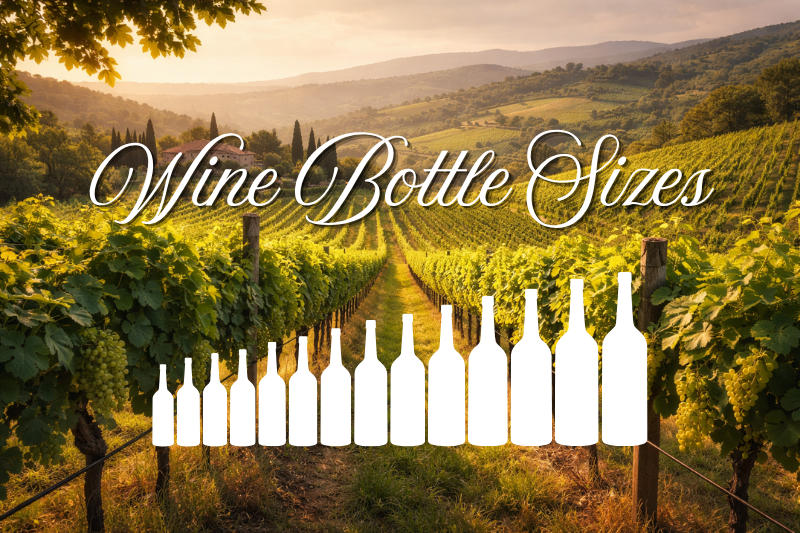
Wine bottle sizes range from 187.5 ml single servings to massive 30-litre formats, with each size influencing how wine is served, aged, and experienced.
Wine bottle sizes are more than just volume variations. They reflect centuries of tradition, scientific reasoning, and cultural symbolism. From the everyday 750 ml bottle to rare large-format bottles named after biblical kings, each size serves a distinct purpose in both casual drinking and fine wine collecting. They also shape the practical side of serving, including which wine accessories are most useful, such as a reliable corkscrew for standard bottles or proper pouring tools for larger formats.
Understanding these sizes helps you choose the right bottle for any occasion, preserve wine quality, and even enhance aging potential. Whether you are selecting a bottle for dinner, a celebration, or long-term storage, size plays a more important role than most people realize.
Key Takeaways
- Wine bottle sizes range from 187.5 ml to 30 litres, each with specific use cases
- The 750 ml bottle became standard due to historical and trade factors
- Larger bottles age wine more slowly and often more gracefully
- Magnums (1.5 L) are widely considered ideal for both serving and aging
- Large formats are commonly used for celebrations and investment-grade wines
What Are Wine Bottle Sizes?
Wine bottle sizes refer to standardized volume categories used globally to package wine. These sizes determine how much wine is inside the bottle, how many glasses it yields, and how the wine evolves over time.
Most wine bottles follow a structured hierarchy, where each size is typically a multiple of the standard 750 ml bottle. This consistency allows producers, retailers, and consumers to easily compare and select formats based on need.
Complete Wine Bottle Sizes Chart
| Bottle Name | Volume | Glasses (150 ml) | Equivalent Bottles | Common Use |
| Piccolo / Split | 187.5 ml | 1 | 0.25 | Single servings, flights |
| Half / Demi | 375 ml | 2–3 | 0.5 | Dessert wines, tastings |
| Jennie | 500 ml | 3 | 0.67 | Sweet wines |
| Standard | 750 ml | 5 | 1 | Everyday use |
| Litre | 1 L | 6–7 | 1.33 | Casual drinking |
| Magnum | 1.5 L | 10 | 2 | Parties, aging |
| Double Magnum | 3 L | 20 | 4 | Events |
| Jeroboam | 3–4.5 L | 20–30 | 4–6 | Celebrations |
| Rehoboam | 4.5 L | 30 | 6 | Champagne |
| Methuselah | 6 L | 40 | 8 | Cellaring |
| Salmanazar | 9 L | 60 | 12 | Events |
| Balthazar | 12 L | 80 | 16 | Displays |
| Nebuchadnezzar | 15 L | 100 | 20 | Luxury events |
| Melchior | 18 L | 120 | 24 | Rare |
| Melchizedek | 30 L | 200 | 40 | Showpiece |
Small Wine Bottles (187 ml to 500 ml)
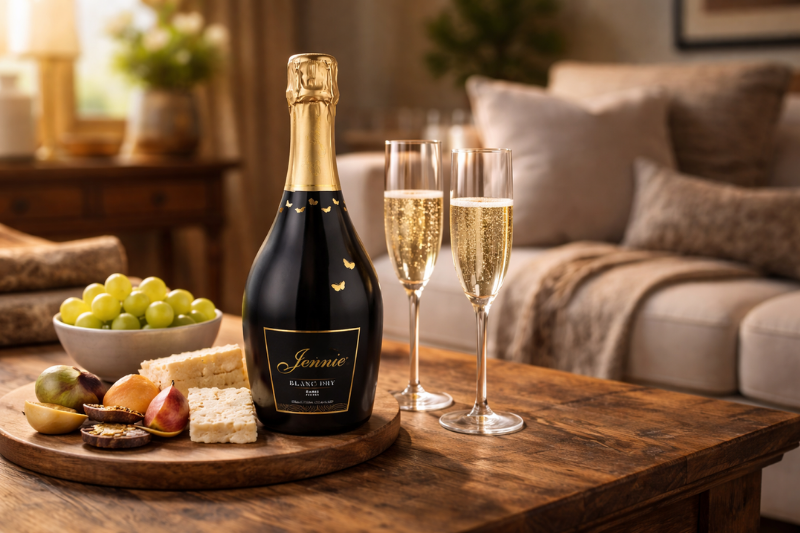
Small-format wine bottles are designed for convenience, portion control, and specific drinking occasions. They are especially useful when you want to enjoy wine without opening a full-size bottle, when serving sizes are naturally smaller, or when a wine brand wants to offer a more flexible format for travel, hospitality, gifting, or premium sampling. These smaller formats are practical, easier to chill, and often better suited to single-serve or limited-pour situations.
Piccolo (187.5 ml)
The piccolo, sometimes called a split, is one of the smallest standard wine bottle sizes. It usually holds enough for a single glass, which makes it a practical choice for airlines, hotels, minibars, events, and individual servings. This format helps reduce waste because the bottle can be finished in one sitting without needing preservation for later. It is also especially popular for sparkling wines, where freshness and carbonation are best enjoyed immediately after opening.
Well-known wine brands that offer piccolo or similar small bottles include:
- Sutter Home, with a wide range of 187 ml bottles across popular varietals
- Barefoot and Barefoot Bubbly, known for accessible still and sparkling options
- La Marca, a familiar name for 187 ml Prosecco bottles
- Moët and Chandon, which offers luxury Champagne in piccolo format
- Chandon and Segura Viudas, both recognised for mini sparkling wine bottles
- Kim Crawford, Josh Cellars, and Stella Rosa, which are also available in smaller formats in some markets
This size is especially popular for:
- single-serve wine
- airline and hotel service
- weddings and events
- sparkling wine minis
- branded gift packs
Half Bottle (375 ml)
A half bottle contains half the volume of a standard 750 ml wine bottle and is ideal for one person or a smaller meal. It is a popular choice for solo drinkers, couples who want a few glasses, or anyone tasting a premium wine without committing to a full bottle. Half bottles are also widely used in restaurants, tasting menus, and curated wine lists because they offer flexibility while still feeling closer to a traditional wine experience than miniature formats. For collectors and enthusiasts, they can also be a more accessible way to explore higher-end wines.
Common wine brands and producers associated with 375 ml half bottles include:
- La Rioja Alta, known for Viña Ardanza Reserva in half-bottle format
- Château Rieussec, which offers Carmes de Rieussec Sauternes in 375 ml
- Yarra Yering, with premium Australian reds in smaller formats
- Fritz Haag, known for Riesling half bottles
- Aramis, which has offered Shiraz in demi format
A half bottle is often chosen for:
- solo dinners
- smaller tables
- premium wine sampling
- restaurant pairings
- lower-commitment purchases
Jennie (500 ml)
The 500 ml bottle, sometimes referred to as a Jennie in certain contexts, is often associated with dessert wines and sweeter specialty wines. Because these wines are usually richer and more concentrated, they are typically poured in smaller servings, which makes a 500 ml wine bottle a practical and appropriate format. This size is commonly seen with wines such as Sauternes, Tokaji, and other sweet or fortified styles where a little goes a long way. It offers enough wine to share while still matching the way these wines are usually served and enjoyed.
Specialised or regional brands and producers using 375 ml to 500 ml formats include:
- Henriques and Henriques, known for 500 ml bottles of aged Verdelho and Boal
- Angove Organic, which has offered small-format Australian red blends
- Riddoch Coonawarra, known for 187 ml Shiraz bottles
- various dessert wine and fortified wine producers that use 500 ml bottles to better suit serving style and product positioning
This bottle size works especially well for:
- dessert wines
- fortified wines
- sweet specialty wines
- after-dinner pours
- premium niche releases
Small wine bottles are often referred to by different names depending on the size:
- Split or Piccolo: around 187 ml
- Half bottle or Demi: 375 ml
- Jennie: 500 ml
These formats remain popular because they make wine easier to serve, easier to store, and better matched to occasions where a full bottle would be unnecessary.
Standard and Medium Formats (750 ml to 1.5 L)
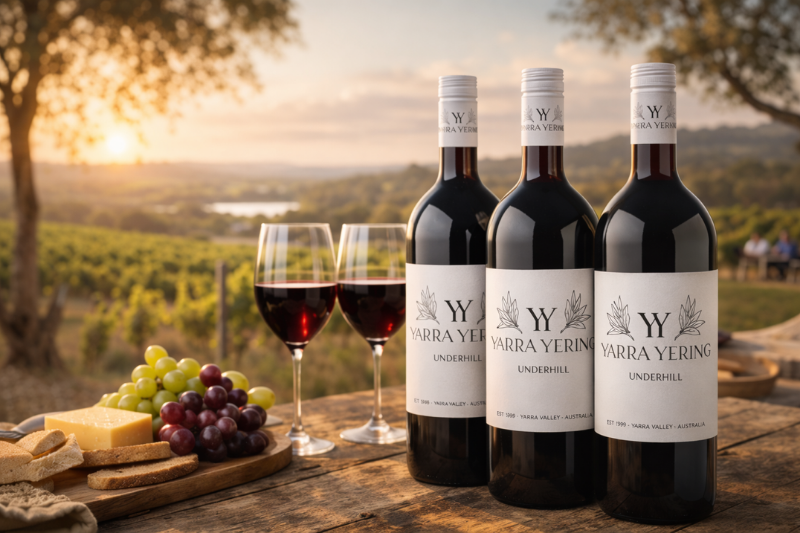
Standard and medium wine bottle formats are the most familiar and practical for everyday use. These sizes strike a balance between serving capacity, convenience, storage, and presentation, which is why they are the most commonly seen options in homes, restaurants, and wine shops. For many wine brands, these bottle sizes also represent the most commercially important formats because they suit both regular drinking and more premium occasions.
Standard Bottle (750 ml)
The 750 ml bottle is the global standard for wine and remains the most widely used format across nearly every category. It usually provides about five standard glasses, making it well suited for dinners, casual gatherings, and everyday enjoyment. Its popularity comes from its practicality. It is easy to store, simple to transport, and fits standard wine racks, shipping cases, and retail displays. Over time, this size became the benchmark for wine production and trade, which is why most serving estimates, aging comparisons, and pricing structures are based on the standard bottle.
Many well-known wine brands use the 750 ml format as their core offering, including:
- Yarra Yering, known for Dry Red No. 3 and other premium Australian wines
- Kim Crawford, popular for Sauvignon Blanc and Pinot Gris
- 19 Crimes, known for a wide range of accessible varietals
- Mollydooker, recognised for bold Australian reds
- Oxford Landing, with popular everyday varietals such as Merlot
- Earthworks, known for Barossa Shiraz
- Ringbolt, recognised for Cabernet Sauvignon
- Shaw + Smith, known for premium Chardonnay
- Squealing Pig, popular for Rosé and fresh easy-drinking styles
This bottle size is most often chosen for:
- everyday drinking
- dinner service
- gifting
- standard retail sale
- cellaring in familiar storage formats
Litre Bottle (1 L)
The 1-litre bottle is less common than the 750 ml format but still appears regularly in certain markets, especially in Europe. It is often used for casual, easy-drinking wines where value and volume are part of the appeal. Because it holds more than a standard bottle, it can be a convenient option for family meals, relaxed gatherings, or situations where wine is being poured more generously. While it is not typically associated with premium aging wines, it fills an important role for consumers who want a bit more wine without stepping up to a large-format bottle.
This size is often associated with:
- casual table wines
- value-focused purchases
- generous everyday pouring
- family meals
- approachable wine styles
Magnum (1.5 L)
The magnum holds the equivalent of two standard bottles and is one of the most respected larger wine bottle formats. It is often seen as the ideal size for both serving and aging because the greater volume of wine allows it to mature more slowly and evenly. This can help preserve freshness, develop complexity, and improve balance over time, especially in wines built for cellaring. Beyond its aging advantages, the magnum also brings a stronger visual presence to the table, making it a popular choice for dinner parties, celebrations, and gifting. It offers practicality and prestige at the same time, which is why it is often considered the most versatile large-format bottle.
A range of wine brands and producers offer 1.5 L magnums or similar medium-format options, including:
- Gérard Bertrand, known for Cote des Roses Rosé in premium 1.5 L Magnum format
- Yellow Tail, commonly available in 1.5 L bottles across several varietals
- Lindemans, with larger-format options such as Bin 40 Merlot
- Running with Bulls, offering Barossa Tempranillo in 1.5 L format
- Santa Margherita, known for 1.5 L Prosecco
- Brown Brothers, which has offered larger Moscato formats
- Stones, known for 1.5 L Green Ginger Wine
- Rewild, South Island, Red Knot, and Cupio, which have used 1.5 L bagnum-style packaging for select wines
Magnums are especially popular because they offer:
- stronger table presence for entertaining
- roughly 10 standard glasses
- slower aging potential than two separate 750 ml bottles
- premium appeal for gifting and special occasions
- practical value for larger gatherings
For many collectors and hosts, the magnum stands out as the sweet spot between function and theatre. It is large enough to feel special, but still manageable enough to store, serve, and enjoy without the complications that come with oversized collectible formats.
Large Format Wine Bottles (3 L and Above)
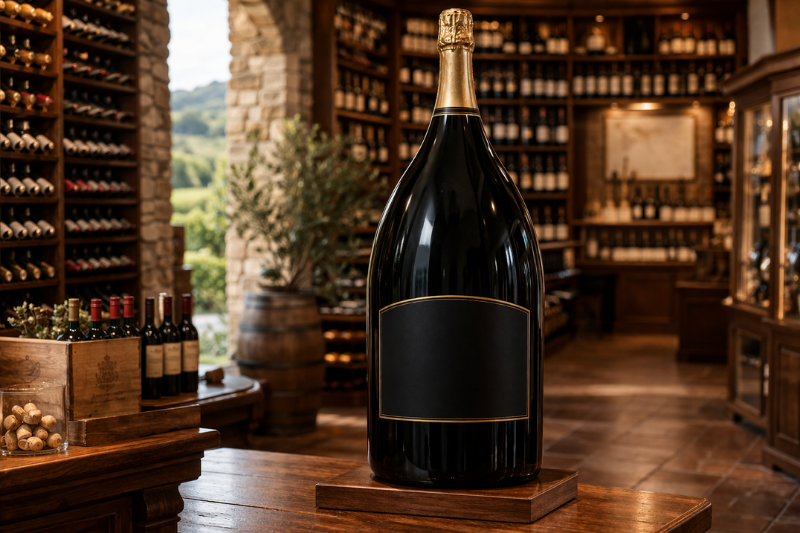
Large-format wine bottles are the most dramatic and prestigious sizes in the wine world. They are often associated with celebrations, luxury service, collector interest, and long-term aging potential. While they are not practical for everyday drinking, they create a strong visual impact and are closely tied to special occasions, premium gifting, and high-end wine culture.
Double Magnum (3 L)
A double magnum holds the equivalent of four standard bottles of wine and is one of the most accessible large formats for entertaining. In still wines, this size is usually called a Double Magnum, while in Champagne and Burgundy a 3-litre bottle is often called a Jeroboam. It offers the advantage of serving a larger group while still being manageable enough for storage, transport, and service compared with larger collectible formats.
Large-format sparkling and Champagne brands often available in 3 L include:
- Bollinger, with 3 L Jeroboams of Special Cuvée
- Billecart-Salmon, known for Brut Réserve in large formats
- Veuve Clicquot, with Yellow Label available in 3 L
- Moët and Chandon, often seen in 3 L Impérial Brut
- Pol Roger, known for 3 L Jeroboams
- Laurent-Perrier, which offers 3 L brut formats
- Taittinger, recognised for Brut Réserve in large bottles
This size is especially popular for:
- large dinner parties
- milestone celebrations
- premium gifting
- restaurant displays
- collector purchases that are still relatively practical to handle
Jeroboam (3 L to 4.5 L)
Jeroboam is one of the best-known large bottle names, but its meaning can vary depending on the type of wine. In Champagne, a Jeroboam usually refers to a 3-litre bottle, while in Bordeaux it often refers to a 4.5-litre bottle. This difference is important because it shows that wine bottle naming is not always consistent across regions and styles. Jeroboams are often used for celebrations, restaurant displays, and special releases where size and presentation matter as much as the wine itself.
Because of that prestige, Jeroboams are especially common among:
- Champagne houses
- Bordeaux estates
- collector-focused wine brands
- luxury hospitality venues
- specialist wine merchants
Rehoboam (4.5 L)
The Rehoboam is most commonly associated with Champagne and typically holds 4.5 litres of wine, or the equivalent of six standard bottles. This format is used far more for ceremonial and luxury purposes than for casual service. Because of its size and visual appeal, it is often chosen for milestone events, formal receptions, and statement displays. Bottles of this scale also require more care when handling and pouring, which adds to their sense of occasion.
Methuselah (6 L)
A Methuselah holds eight standard bottles and is widely recognised as a classic large-format bottle for both prestige and aging potential. This size is often seen in collector circles because the larger volume can help wine evolve more slowly and steadily over time. It is particularly striking in sparkling wine service, where the bottle itself becomes part of the event experience.
Champagne brands commonly associated with 6 L formats include:
- Veuve Clicquot, available in 6 L for select releases
- Moët and Chandon, often found in 6 L Impérial Brut
- Pol Roger, known for Methuselah formats
- Armand de Brignac, positioned as a luxury large-format option
- Carbon, known for high-end large-format sparkling wine
This format is often chosen for:
- luxury parties
- VIP hospitality
- weddings and formal celebrations
- collector displays
- long-term cellaring of prestige wines
Salmanazar (9 L)
The Salmanazar contains the equivalent of twelve standard bottles and is firmly in the category of event and collector wine formats. At this size, the bottle is less about convenience and more about presence, rarity, and scale. It is often used for banquets, luxury hospitality, and display purposes, especially when the goal is to create a dramatic centrepiece. Because of its weight and dimensions, serving from a Salmanazar usually requires careful handling or multiple people.
Balthazar (12 L)
A Balthazar holds sixteen standard bottles and is one of the most visually impressive large formats commonly recognised by wine enthusiasts. It is typically reserved for major celebrations, luxury events, and high-profile displays where the bottle itself becomes part of the spectacle. This size is far removed from everyday wine service and is more closely linked to prestige, rarity, and theatrical presentation.
Nebuchadnezzar (15 L)
The Nebuchadnezzar is one of the most famous large-format wine bottles and holds the equivalent of twenty standard bottles. Its name, like many other oversized formats, draws from biblical history, which adds to its reputation and ceremonial feel. This bottle is most often associated with luxury Champagne service, collector attention, and high-end hospitality settings. Because of its size, it is less about practicality and more about making a lasting impression.
Large-Format Red Wine Brands and Producers
Large-format bottles are not limited to Champagne. A number of respected red wine producers and regions are also known for offering 3 L and larger bottles, especially for premium wines designed to age or stand out in collector markets.
Notable examples include:
- Torbreck, known for large-format Barossa Shiraz
- Penfolds, with select high-end wines in large bottles
- Rockford, a respected Barossa producer often seen in larger formats
- Duckhorn Vineyards, known for 3.0 L and 6.0 L bottles
- Château Margaux and Château Lafite Rothschild, among Bordeaux estates offering Double Magnums and larger
- Château Beaucastel, known for large formats of Châteauneuf-du-Pape
- Massolino and Giuseppe Cortese, recognised in Barolo circles for large-format releases
These formats are especially valued for:
- slower aging potential
- stronger visual presence at the table
- collector appeal
- prestige gifting
- special-event service
Large Format Bottle Size Guide
The most recognised large-format sizes include:
- Double Magnum / Jeroboam: 3 litres, equal to 4 standard bottles
- Rehoboam: 4.5 litres, equal to 6 standard bottles
- Methuselah / Imperial: 6 litres, equal to 8 standard bottles
- Salmanazar: 9 litres, equal to 12 standard bottles
- Balthazar: 12 litres, equal to 16 standard bottles
- Nebuchadnezzar: 15 litres, equal to 20 standard bottles
These bottles are frequently sourced through specialist merchants rather than standard retail shelves. Well-known sellers of large-format wine and Champagne include:
- Kent Street Cellars
- Nicks Wine Merchants
- Emperor Champagne
- Millesima
Large-format bottles stand out because they combine volume, presentation, and rarity in a way that standard bottles cannot. For celebrations, collector value, and visual impact, they remain some of the most memorable formats in the wine world.
Why Wine Bottle Size Matters
Wine bottle size influences more than just how much wine is inside. It can affect how the wine ages, how stable it remains during storage, how it is served, and even how the bottle is perceived at the table. From a practical and sensory standpoint, bottle size plays an important role in the overall wine experience.
Aging and Oxygen Exposure
Bottle size can change the way wine matures over time. In larger bottles, there is proportionally less oxygen in relation to the volume of wine, which means oxidation happens more slowly. This slower development can help preserve freshness while allowing more gradual and layered aging. For wines meant to cellar, this often leads to a more refined evolution, with flavors and aromas unfolding at a steadier pace than they would in smaller bottles.
Temperature Stability
Larger bottles tend to be more resistant to sudden temperature changes, which is important for protecting wine quality. Because they contain more liquid and often use thicker glass, they are slower to warm up or cool down when the surrounding environment changes. This added stability can be beneficial during storage and transport, especially for wines that are sensitive to heat or fluctuating cellar conditions. A more stable environment helps the wine age in a consistent way.
Sediment Development
In wines that are designed to age, sediment can form naturally over time as tannins, colour compounds, and other particles settle. In larger bottles, this process often happens more gradually and evenly. The slower aging environment can help sediment develop in a way that supports structure and clarity rather than making the wine seem tired too quickly. This is one reason larger formats are often appreciated by collectors and enthusiasts who value long-term cellaring.
Serving Experience
Bottle size also shapes the social and visual side of wine. A large-format bottle immediately creates a stronger sense of occasion, whether it is used at a wedding, dinner party, or formal celebration. It becomes part of the presentation, not just a container for the wine. Beyond appearance, larger bottles are also practical for serving groups because they reduce the need to open multiple standard bottles. This combination of convenience, impact, and ceremony is part of what makes large formats so memorable.
Why Is 750 ml the Standard?
The 750 ml bottle became standard due to a combination of historical and logistical factors.
Early glassblowers could produce bottles of roughly this size based on lung capacity. Later, trade between France and the UK standardized this volume because six bottles equaled one imperial gallon, simplifying taxation and shipping.
Do Larger Bottles Taste Better?
Yes, larger bottles often produce better-aged wine due to slower oxidation and more stable conditions.
Collectors frequently prefer magnums and larger formats because they preserve freshness and complexity over time. However, the difference is most noticeable in wines designed for aging rather than everyday drinking.
Champagne vs Still Wine Bottle Sizes
Champagne and still wine bottles may share some size names, but they are not always identical in structure or volume. Champagne bottles are made with thicker glass to withstand the internal pressure created by carbonation, which makes them heavier and stronger than still wine bottles.
Some bottle names also vary by wine type. For example, a Jeroboam usually means 3 litres in Champagne, but in Bordeaux still wine, it can refer to 4.5 litres. This difference makes it important to check both the bottle name and the wine style when comparing large formats.
Rare and Collectible Bottle Sizes
Large formats such as Nebuchadnezzar and Melchizedek are produced in extremely limited quantities. These bottles are often used in auctions, luxury events, and high-end collections, where rarity and presentation add value beyond the wine itself. In many cases, the appeal is not only the volume of wine, but also the prestige, craftsmanship, and visual impact that these oversized bottles bring.
They are especially valued for:
- rarity and limited production
- strong visual impact at events
- collector appeal in private cellars
- prestige in luxury gifting and auctions
Storage and Handling Tips
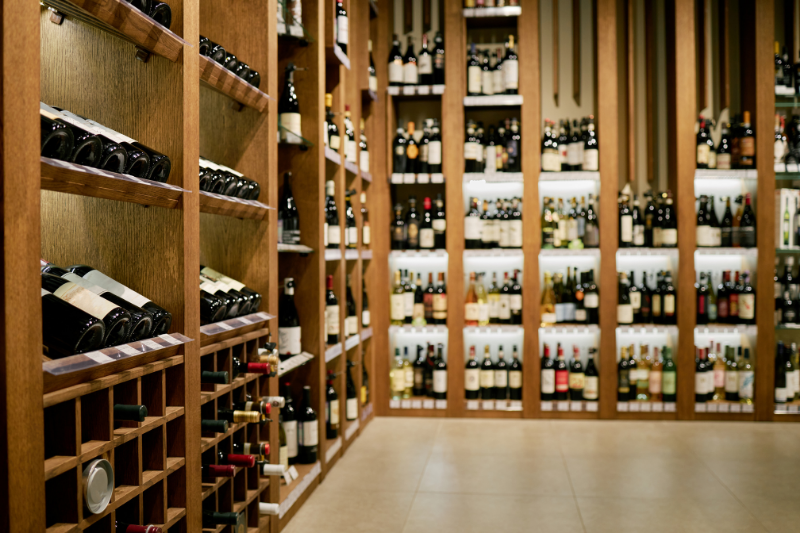
Standard racks fit 750 ml bottles only, so anything larger usually needs custom storage or reinforced shelving. Large bottles are heavier, more difficult to pour, and less practical to move, which means handling matters just as much as storage.
Keep these points in mind:
- standard wine racks usually fit 750 ml bottles only
- large bottles often require custom storage
- always support the base when pouring large formats
- store bottles horizontally to help keep corks moist
- avoid unstable shelving or overcrowded storage areas
- check that the bottle can be lifted and served safely before an event
Common Mistakes When Choosing Bottle Size
Bottle size can add convenience, elegance, or impact, but it should still match the occasion. Choosing the wrong size often creates avoidable problems with storage, serving, or waste.
Common mistakes include:
- buying large formats without enough storage space
- choosing size over wine quality
- overestimating how much guests will drink
- ignoring aging potential
- forgetting how heavy large bottles are to carry and pour
- picking a format that looks impressive but is impractical for the event
Frequently Asked Questions
1. Does bottle size affect how quickly wine should be consumed after opening?
Yes. Smaller bottles are usually finished more quickly, which reduces leftover wine and limits oxidation after opening. Larger bottles can be practical for groups, but once opened, they still need proper preservation if not finished the same day.
2. Are large-format wine bottles more expensive only because they hold more wine?
Not always. Larger bottles usually cost more because of the extra wine, but price can also rise due to packaging complexity, limited production, collector demand, and the prestige associated with oversized formats.
3. Which wine bottle size is best for gifts?
The best size depends on the occasion. A 750 ml bottle is the safest all-purpose gift, a magnum feels more celebratory and premium, and smaller bottles work well for hampers, travel gifting, or themed sets.
4. Can all wines be bought in every bottle size?
No. Most wines are released only in selected formats. Everyday wines are usually sold in 750 ml bottles, while small bottles and large formats tend to be limited to certain brands, styles, or special releases.
5. Why do some large wine bottles have biblical names?
Many oversized wine bottle names, such as Jeroboam, Methuselah, and Nebuchadnezzar, come from biblical figures and ancient royal names. These names became part of wine tradition to distinguish large formats and reinforce their ceremonial, prestigious feel.