How to Make Simple Syrup for Your Bar: Easy Recipes Every Home Bartender Should Know
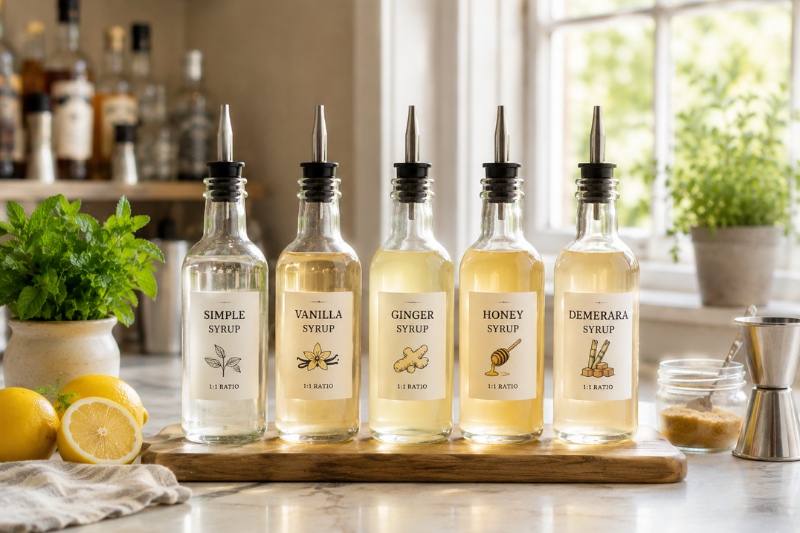
Simple syrup is a liquid sweetener made by dissolving sugar in water, and it is one of the most important ingredients in cocktails because it blends instantly into cold drinks without leaving gritty sugar behind.
Simple syrup is the foundation behind balanced cocktails, smoother iced coffee, brighter citrus drinks, and professional-level home bartending. While the basic version only requires sugar and water, modern home bartenders now use rich syrups, demerara syrups, honey syrups, spice infusions, herb blends, and fruit-forward variations to create layered drinks with bar-quality flavor.
In 2026, home cocktail culture continues evolving beyond basic recipes. More people are building personalized home bars, experimenting with craft cocktail techniques, and learning how syrup texture, sugar choice, and infusion methods directly influence drink balance, mouthfeel, aroma, and dilution.
Key Takeaways
- Simple syrup prevents undissolved sugar crystals in cold drinks
- A classic simple syrup uses a 1:1 sugar-to-water ratio
- Rich simple syrup uses a 2:1 ratio for thicker texture and longer shelf life
- Infused syrups allow home bartenders to customize cocktails with herbs, spices, fruit, and botanicals
- Properly stored simple syrup can last from two weeks to several months depending on sugar concentration
What Is Simple Syrup?
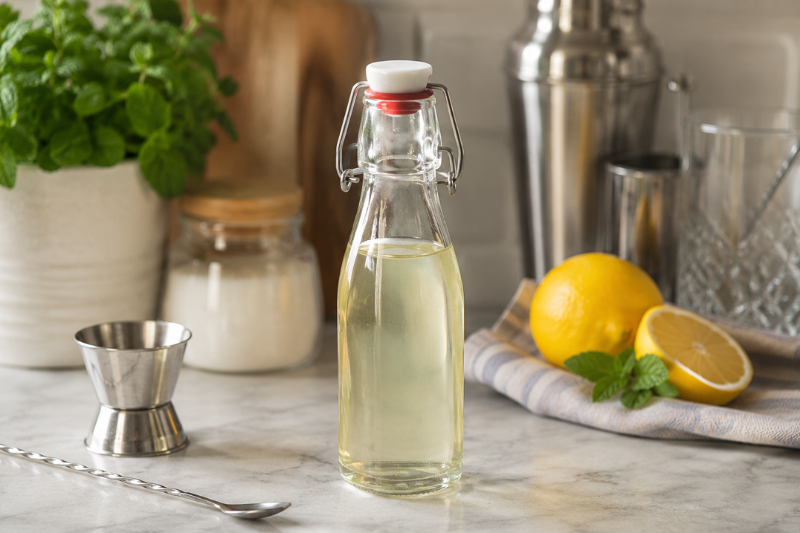
Simple syrup is a liquid sweetener created by dissolving sugar into water. Bartenders use it because liquid sugar integrates instantly into cold beverages, unlike granulated sugar, which often sinks or remains gritty.
At its core, simple syrup solves a chemistry problem in cocktails. Cold liquids struggle to dissolve crystalline sugar efficiently. By pre-dissolving sugar in water, bartenders create a smooth, evenly distributed sweetness that blends consistently into drinks.
Simple syrup does more than sweeten cocktails. It also affects:
- Texture
- Mouthfeel
- Aromatics
- Balance
- Perceived acidity
- Dilution control
A well-made syrup can transform a cocktail from sharp and disjointed into smooth and structured.
The Standard Simple Syrup Ratio Explained
The ratio determines sweetness intensity, texture, and shelf life.
Classic Simple Syrup (1:1)
1:11:11:1
A traditional simple syrup combines equal parts sugar and water.
Example:
- 1 cup sugar
- 1 cup water
This creates a light syrup ideal for:
- Mojitos
- Daiquiris
- Lemonades
- Collins cocktails
- Iced coffee
Rich Simple Syrup (2:1)
2:12:12:1
Rich syrup uses two parts sugar to one part water.
Example:
- 2 cups sugar
- 1 cup water
This creates:
- Thicker texture
- Greater sweetness concentration
- Longer shelf life
- Reduced dilution in cocktails
Rich syrups are often preferred for:
- Old Fashioneds
- Spirit-forward cocktails
- Whiskey drinks
- Large-batch cocktail prep
Basic Simple Syrup Recipe
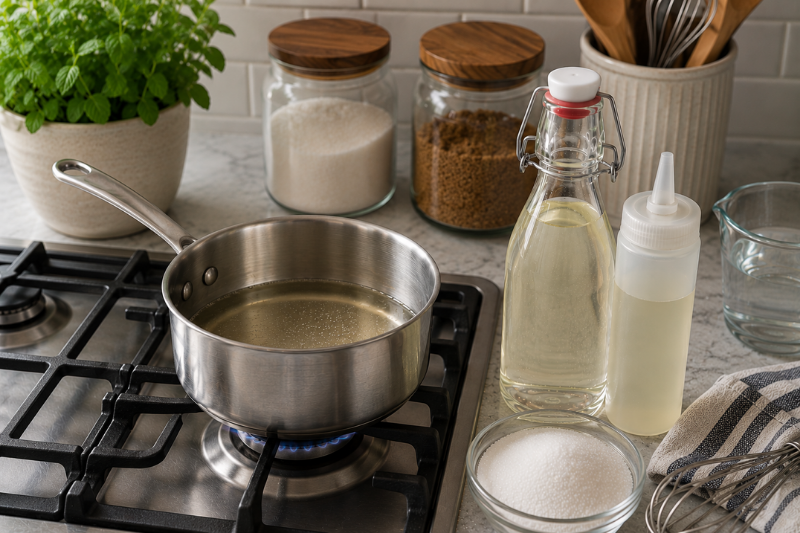
A classic simple syrup requires only sugar, water, gentle heat, and about five minutes of preparation time.
Ingredients
- 1 cup granulated sugar
- 1 cup filtered water
Equipment
- Small saucepan
- Spoon or whisk
- Glass jar or squeeze bottle
Instructions
- Add water to a saucepan over medium heat.
- Warm the water gently without boiling.
- Add sugar gradually while stirring.
- Stir until the liquid becomes fully clear.
- Remove from heat immediately.
- Allow the syrup to cool completely.
- Transfer to a sealed container and refrigerate.
Why You Should Not Boil Simple Syrup
Boiling can:
- Evaporate water unevenly
- Alter the sugar ratio
- Create caramel notes unintentionally
- Reduce freshness
- Increase crystallization risk
Gentle heat is enough.
Cold Process vs Hot Process Simple Syrup
Home bartenders now commonly use two preparation methods.
Hot Process Method
The traditional method uses heat to dissolve sugar quickly.
Advantages:
- Faster dissolution
- Better for infusions
- Cleaner consistency
- Easier sterilization
Disadvantages:
- Slightly more effort
- Requires cooling time
Cold Process Method
This method skips heat entirely.
Instructions:
- Combine sugar and water in a sealed jar
- Shake repeatedly
- Allow sugar to dissolve naturally
Advantages:
- No stove needed
- Fresh, bright taste
- Lower risk of caramelization
Disadvantages:
- Slower process
- Less effective for dense sugars
- Harder for spice infusions
Many modern cocktail enthusiasts prefer cold-process syrup for delicate floral or citrus syrups because heating can soften fresh aromatics.
Best Sugars for Cocktail Syrups and How They Change Cocktails
Different sugars and flavored syrups can dramatically change the flavor, texture, aroma, and balance of a cocktail. While sweetness is important, syrups also influence mouthfeel, dilution, warmth, freshness, and how certain spirits interact with citrus, herbs, spices, and bitters. Professional bartenders often select syrups based on spirit compatibility and the overall drinking experience they want to create.
| Sugar or Syrup Type | Flavor Profile | How It Changes Cocktails | Best Used For |
| White Granulated Sugar | Neutral, clean, and versatile | Adds sweetness without changing the drink’s main flavor | Daiquiris, Margaritas, Mojitos, citrus cocktails |
| Demerara Sugar | Rich, warm, and molasses-like | Adds caramel depth and fuller body | Rum drinks, Old Fashioneds, tiki cocktails |
| Turbinado Sugar | Light caramel and honey notes | Adds gentle warmth and subtle complexity | Bourbon cocktails, fall cocktails, coffee drinks |
| Brown Sugar | Deep, warm, and slightly caramelized | Adds darker sweetness and spiced richness | Espresso Martinis, winter drinks, spiced cocktails |
| Honey Syrup | Floral, rounded, and naturally rich | Adds floral depth and a softer mouthfeel | Bee’s Knees, whiskey cocktails, herbal drinks |
| Agave Syrup | Smooth, earthy, and cleanly sweet | Blends smoothly and supports bright citrus flavors | Margaritas, Palomas, mezcal drinks |
| Rich Syrup | Concentrated, thick, and very smooth | Creates fuller body and reduces dilution | Old Fashioneds, spirit-forward cocktails, stirred drinks |
| Mint Syrup | Fresh, cooling, and herbal | Adds cooling freshness and aromatic lift | Mojitos, iced tea, lemonade, juleps |
| Ginger Syrup | Spicy, warm, and bright | Adds spicy brightness and sharper finish | Moscow Mules, dark rum cocktails, whiskey highballs |
| Cinnamon Syrup | Warm, sweet, and baking-spiced | Adds cozy spice and holiday-style depth | Whiskey Sours, fall cocktails, hot toddies |
Easy Flavored Simple Syrup Recipes
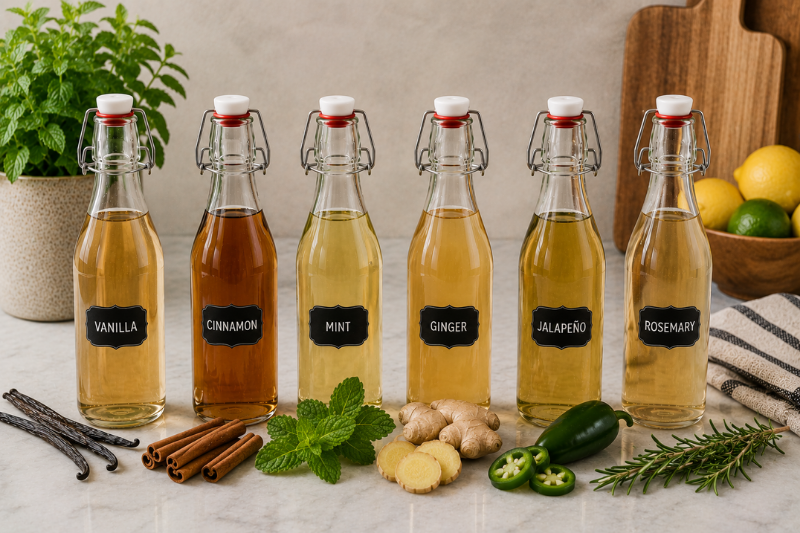
Vanilla Simple Syrup
Ingredients
- 1 cup granulated sugar
- 1 cup filtered water
- 1 whole vanilla bean, split lengthwise
Equipment
- Small saucepan
- Sharp knife
- Spoon or whisk
- Fine mesh strainer
- Glass bottle or jar
Instructions
- Add water and sugar to a saucepan over low heat.
- Stir gently until the sugar fully dissolves.
- Split the vanilla bean and scrape the seeds into the saucepan.
- Add both the seeds and vanilla pod to the syrup.
- Warm for 2 to 3 minutes without boiling.
- Remove from heat and allow the vanilla to steep for 20 to 30 minutes.
- Strain and transfer to a sealed glass container. Refrigerate after cooling.
Best Uses
- Espresso martinis
- Cold brew coffee
- Cream cocktails
- Vanilla Old Fashioneds
- Iced lattes
Cinnamon Syrup
Ingredients
- 1 cup granulated sugar
- 1 cup filtered water
- 3 cinnamon sticks
Equipment
- Small saucepan
- Spoon or whisk
- Fine mesh strainer
- Heat-safe bottle or jar
Instructions
- Combine sugar and water in a saucepan over low heat.
- Stir until the sugar dissolves completely.
- Add cinnamon sticks.
- Let the syrup gently warm for 5 minutes without simmering aggressively.
- Remove from heat and steep for 30 minutes.
- Strain the syrup and transfer to a sealed container.
Best Uses
- Whiskey cocktails
- Fall cocktails
- Holiday drinks
- Hot toddies
- Chai-inspired cocktails
Mint Syrup
Ingredients
- 1 cup granulated sugar
- 1 cup filtered water
- Large handful fresh mint leaves
Equipment
- Small saucepan
- Fine mesh strainer
- Spoon
- Glass bottle or squeeze bottle
Instructions
- Warm sugar and water together over low heat.
- Stir until fully dissolved.
- Add fresh mint leaves.
- Remove from heat and let steep for 15 to 20 minutes.
- Strain out the mint leaves.
- Cool completely before storing in the refrigerator.
Best Uses
- Mojitos
- Iced tea
- Lemonade
- Mint juleps
- Sparkling water drinks
Ginger Syrup
Ingredients
- 1 cup granulated sugar
- 1 cup filtered water
- ½ cup fresh sliced ginger
Equipment
- Small saucepan
- Knife and cutting board
- Fine mesh strainer
- Glass storage bottle
Instructions
- Add sugar and water to a saucepan over medium-low heat.
- Stir until the sugar dissolves.
- Add sliced ginger.
- Warm gently for 10 minutes without boiling hard.
- Remove from heat and steep another 20 minutes for stronger flavor.
- Strain and refrigerate once cooled.
Best Uses
- Moscow Mules
- Dark rum cocktails
- Sparkling water
- Whiskey highballs
- Hot tea drinks
Jalapeño Syrup
Ingredients
- 1 cup granulated sugar
- 1 cup filtered water
- 1 sliced jalapeño pepper
Equipment
- Small saucepan
- Knife and cutting board
- Spoon
- Fine mesh strainer
- Glass bottle
Instructions
- Combine sugar and water in a saucepan over low heat.
- Stir until dissolved.
- Add sliced jalapeños.
- Warm gently for 3 to 5 minutes.
- Remove from heat and steep carefully until desired spice level develops.
- Strain thoroughly before storing.
Best Uses
- Spicy margaritas
- Palomas
- Tropical cocktails
- Tequila drinks
- Pineapple cocktails
Rosemary Syrup
Ingredients
- 1 cup granulated sugar
- 1 cup filtered water
- 2 to 3 fresh rosemary sprigs
Equipment
- Small saucepan
- Spoon or whisk
- Fine mesh strainer
- Glass storage bottle
Instructions
- Heat sugar and water together over low heat.
- Stir until the syrup becomes fully clear.
- Add rosemary sprigs.
- Remove from heat and allow the herbs to steep for 20 to 30 minutes.
- Strain the rosemary out completely.
- Cool and refrigerate in a sealed bottle.
Best Uses
- Gin cocktails
- Citrus drinks
- Winter spritzes
- Vodka sodas
- Holiday cocktails
How to Infuse Syrups Properly
Proper infusion technique determines flavor quality.
Hot Infusion
Best for:
- Spices
- Ginger
- Herbs
- Tea
Method:
- Prepare syrup
- Add flavor ingredients while hot
- Steep while cooling
- Strain carefully
Cold Infusion
Best for:
- Citrus zest
- Delicate flowers
- Fresh berries
This method preserves brighter aromas.
Avoid Over-Steeping
Too much infusion time can create:
- Bitterness
- Harsh tannins
- Vegetal flavors
- Muddy aromas
How Long Simple Syrup Lasts
Simple syrup shelf life depends on sugar concentration, cleanliness, refrigeration, and added ingredients.
Typical Shelf Life
| Syrup Type | Shelf Life |
| 1:1 syrup | 2–4 weeks |
| 2:1 rich syrup | 3–6 months |
| Fruit syrups | 1–2 weeks |
| Herb syrups | 1–2 weeks |
| Honey syrup | About 1 month |
Signs Your Syrup Has Gone Bad
Discard syrup if you notice:
- Cloudiness
- Mold
- Fermentation smell
- Bubbling
- Off aromas
Fresh ingredients shorten shelf life significantly.
Best Containers for Storing Syrup
Professional bartenders prioritize clean, airtight storage.
Recommended Containers
- Glass mason jars
- Swing-top bottles
- Squeeze bottles
- Sterilized syrup bottles
Why Glass Is Better
Glass:
- Retains fewer odors
- Resists staining
- Preserves flavor
- Handles acidity better
Plastic containers can absorb aromas over time.
Professional Bartender Tips for Better Syrups
- Use Filtered Water – Mineral-heavy tap water can alter flavor clarity.
- Label Every Bottle – Include the date made, syrup type, and infusion ingredients.
- Avoid Refrigerating While Warm – Warm sealed containers create condensation, which can encourage spoilage.
- Sterilize Containers – Rinse bottles with boiling water before use.
- Add a Small Amount of Vodka – Some bartenders add a splash of neutral spirit to slightly extend shelf life.
Advanced Home Bartender Syrup Techniques
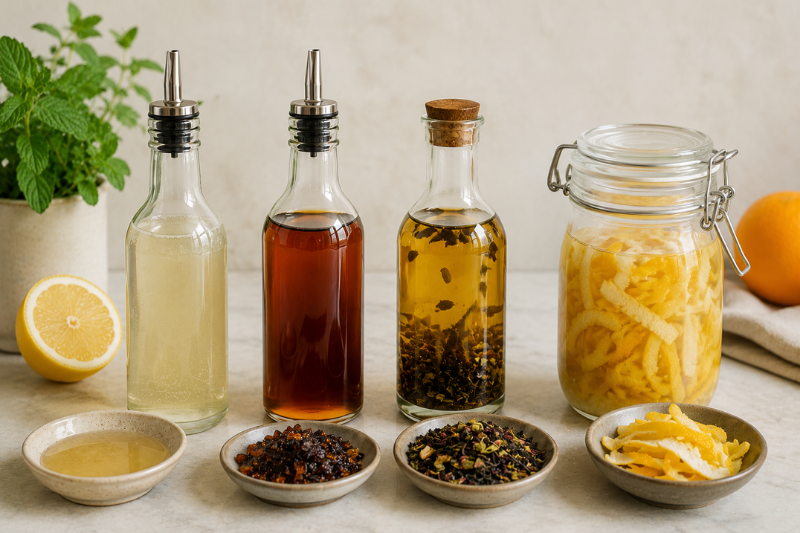
Modern cocktail culture has expanded far beyond basic syrup.
Gum Syrup
Gum syrup includes gum arabic for silkier texture.
Benefits:
- Enhanced mouthfeel
- Better integration
- Luxurious texture
Burnt Sugar Syrup
Sugar is caramelized before adding water.
Creates:
- Toasted flavors
- Bitterness
- Deeper complexity
Excellent in rum and whiskey cocktails.
Tea Syrups
Tea-based syrups introduce:
- Tannins
- Floral notes
- Smokiness
- Earthiness
Popular tea choices:
- Earl Grey
- Matcha
- Chai
- Hibiscus
- Jasmine
Oleo Saccharum
A classic bartender technique using sugar to extract citrus oils from peels.
Produces:
- Intense citrus aroma
- Rich texture
- Bright complexity
Often used in punches and large-format cocktails.
Common Simple Syrup Mistakes
- Overheating the Syrup – This can unintentionally create caramel flavors.
- Using Old Herbs – Wilted herbs produce dull syrups.
- Incorrect Ratios – Too much water weakens sweetness and shortens shelf life.
- Poor Refrigeration – Warm storage accelerates bacterial growth.
- Skipping Straining – Unstrained spices and herbs continue infusing and may create bitterness.
Non-Alcoholic Uses for Simple Syrup
Simple syrup extends beyond cocktails.
Use it for:
- Iced coffee
- Matcha
- Lemonade
- Sweet tea
- Sparkling water
- Fruit salads
- Sorbets
- Pancakes
- Cakes
- Homemade soda
Many cafés now use flavored syrups as customizable beverage bases.
Essential Barware and Bar Accessories for Making Simple Syrup and Craft Cocktails
Professional-quality cocktails depend on more than ingredients. The right barware, storage tools, and cocktail accessories help improve precision, consistency, freshness, and presentation.
Simple syrup only requires sugar and water, but making, storing, pouring, and using it becomes easier with proper bar tools. This matters for home bars, restaurant bars, cocktail lounges, event setups, and luxury entertaining spaces.
Essential Barware for Simple Syrup
Stainless Steel Saucepan
A small stainless steel saucepan allows gentle heating without scorching the sugar or changing the syrup’s flavor. Heavy-bottomed pans are especially useful for classic syrup, rich syrup, honey syrup, and spice infusions.
Fine Mesh Strainer
A fine mesh strainer removes herbs, fruit pulp, ginger fibers, cinnamon sediment, and tea leaves from infused syrups. This helps improve texture, clarity, shelf life, and pour consistency.
Glass Syrup Bottles
Glass syrup bottles preserve flavor better than plastic and create a cleaner bar presentation. Swing-top bottles, squeeze bottles, vintage glass bottles, and pour-spout containers all work well for storing cocktail syrups.
Stainless Steel Funnel
A funnel makes it easier to transfer syrup into bottles without spills or sticky buildup. It is especially useful for thick rich syrups, fruit syrups, and large-batch cocktail prep.
Measuring Jiggers
A jigger helps maintain accurate cocktail balance when combining syrup with spirits, citrus, bitters, and mixers. Even small measurement changes can affect sweetness, acidity, dilution, and mouthfeel.
Bar Spoon or Mixing Spoon
A long bar spoon is useful for stirring syrups, mixing drinks, layering cocktails, and dissolving ingredients evenly. Twisted-handle bar spoons also offer better control during stirring.
Cocktail Shaker
A cocktail shaker helps integrate syrup evenly into shaken drinks. Boston shakers, cobbler shakers, and Parisian shakers all support better aeration, temperature control, dilution, and texture.
Muddler
A muddler is useful when pairing flavored syrups with mint, basil, berries, citrus, jalapeños, or cucumber. It helps release fresh oils and aromatics without over-crushing ingredients.
Citrus and Garnish Tools
Citrus presses, peelers, zesters, channel knives, and garnish tweezers help improve both flavor and presentation. These tools are especially useful for Daiquiris, Margaritas, Whiskey Sours, Mojitos, and Collins cocktails.
Ice Accessories
Clear ice molds, ice sphere trays, Lewis bags, and ice crushers help control dilution. Large-format ice melts more slowly, which helps preserve syrup concentration and cocktail structure.
Why Bar Accessories Matter
Good bar accessories make cocktail preparation cleaner, faster, and more consistent. They help improve syrup texture, ingredient balance, pour precision, freshness, aroma, and visual presentation. In many cases, upgrading essential barware can improve cocktail quality more than buying a more expensive bottle of liquor.
Frequently Asked Questions
Can You Freeze Simple Syrup?
Yes, simple syrup can be frozen for long-term storage, especially fruit-based syrups. Store it in an airtight freezer-safe container and leave room for expansion.
Why Did My Simple Syrup Crystallize?
Simple syrup usually crystallizes when it is overheated, made with too much sugar, or cooked long enough for excess water to evaporate. To prevent this, use gentle heat and remove the syrup from the stove once the sugar fully dissolves.
Is Rich Syrup Sweeter Than Regular Syrup?
Yes, rich syrup is sweeter because it contains more sugar and less water than classic simple syrup. This gives cocktails stronger sweetness, thicker texture, and less dilution.
Can I Use Brown Sugar Instead of White Sugar?
Yes, brown sugar can replace white sugar in simple syrup. It creates a deeper, warmer flavor that works especially well in whiskey, rum, coffee, and spiced cocktails.
Do Flavored Syrups Expire Faster?
Yes, flavored syrups usually expire faster because fresh fruit, herbs, and spices introduce more organic material. Always strain them well, refrigerate them, and discard them if they become cloudy, bubbly, moldy, or sour-smelling.
Build a Better Bar, One Syrup at a Time
Mastering simple syrup is one of the fastest ways to improve cocktail quality. A properly balanced syrup changes sweetness, texture, aroma, and overall drink structure more than many beginners realize.
Once you understand how different sugars, infusion methods, and syrup concentrations behave, you can build cocktails with far more precision and creativity. The best bar setups rarely rely on just one syrup. Many bartenders keep multiple options ready, including classic syrup, rich syrup, demerara syrup, seasonal fruit syrup, herbal syrup, and spiced syrup.
That flexibility allows you to create cocktails that feel fresher, more balanced, and more personalized than standard drink recipes. At Wine-n-Gear, we also offer a collection of other bar essentials, including ice buckets, wholesale corkscrews, wine stoppers, champagne stoppers, and more. Contact us to explore bar accessories that can help complete your cocktail, wine, and entertaining setup.