The Essential Guide to Wine Stoppers: What Every Wine Lover Should Know
Last Updated: March 24, 2026
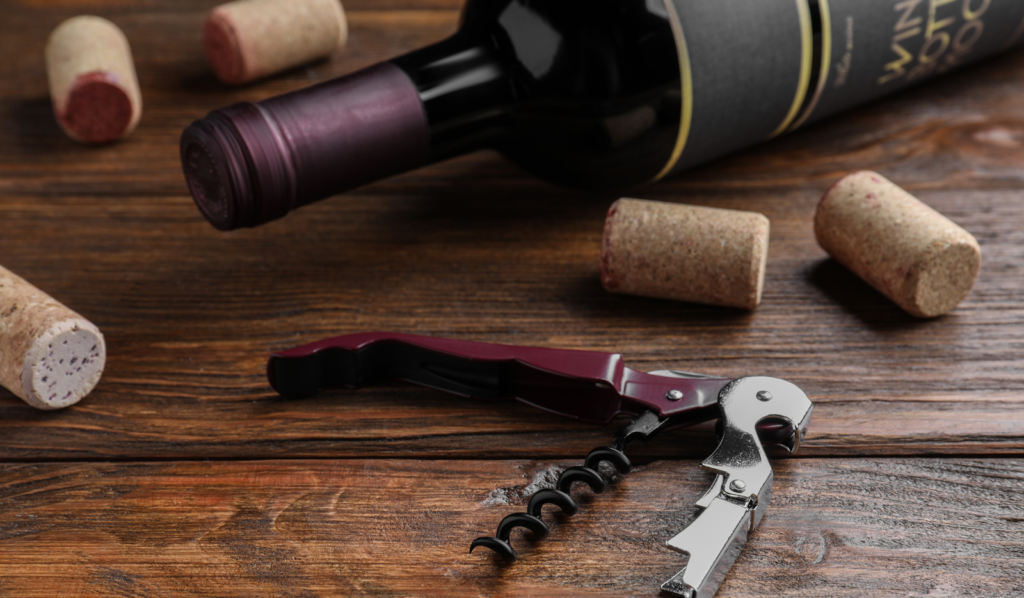
A wine stopper preserves opened wine by limiting oxygen exposure, which slows oxidation and protects flavor, aroma, and structure. Most wines stay fresh for 3 to 5 days with a standard stopper and up to 7 days with a vacuum stopper. Sparkling wines require pressure-sealing stoppers to retain carbonation. The best wine stopper depends on how long you plan to store the wine and the type of wine you are preserving.
A wine stopper is a preservation tool designed to control oxygen exposure inside an opened bottle of wine. Once a bottle is opened, oxygen begins reacting with the wine’s chemical compounds, gradually degrading its flavor, aroma, and color.
The right stopper does more than seal the bottle. It regulates air interaction, slows chemical breakdown, and extends the drinkable life of the wine. Understanding how different stoppers work allows you to preserve wine more effectively and choose the right solution for each situation.
Key Takeaways
- Most opened wines last 3 to 5 days with a standard stopper and up to 7 days with a vacuum stopper
- Oxidation breaks down aroma compounds and converts ethanol into acetaldehyde, causing off-flavors
- Vacuum stoppers remove oxygen from the bottle, significantly slowing spoilage
- Sparkling wines require pressure-lock stoppers to retain carbon dioxide
- Refrigeration slows oxidation and is one of the most effective preservation methods
What Is a Wine Stopper and How Does It Work
A wine stopper is a sealing device that limits oxygen exposure inside an opened bottle. It works by reducing air exchange, controlling oxidation, and preserving the wine’s aroma, flavor, and structure for several days after opening.
A wine stopper is engineered to regulate the interaction between oxygen and wine after the original cork is removed. Once a bottle is opened, the internal environment changes immediately. Oxygen begins dissolving into the liquid while also occupying the empty space above it, known as the headspace.
Two distinct oxygen sources drive deterioration:
- Dissolved oxygen already inside the wine
- Ambient oxygen entering through the bottle opening
A stopper addresses both factors, but with varying effectiveness depending on its design.
How the Mechanism Works
A wine stopper preserves wine through three core mechanisms:
1. Physical Sealing
The stopper creates a barrier that reduces the rate of oxygen entering the bottle. A tighter seal directly correlates with slower oxidation.
2. Airflow Restriction
Even when not completely airtight, most stoppers significantly reduce airflow, slowing the replenishment of oxygen in the headspace.
3. Oxygen Reduction (Vacuum Systems)
Vacuum stoppers actively remove air from the bottle, lowering oxygen concentration and slowing chemical reactions at a much greater rate than passive seals.
Why Seal Quality Matters
Seal performance depends on:
- Material flexibility and compression
- Bottle neck compatibility
- Resistance to micro-leaks over time
A poorly fitted stopper allows continuous oxygen ingress, which accelerates degradation even if the bottle appears sealed.
Why Wine Goes Bad After Opening (Oxidation Explained)
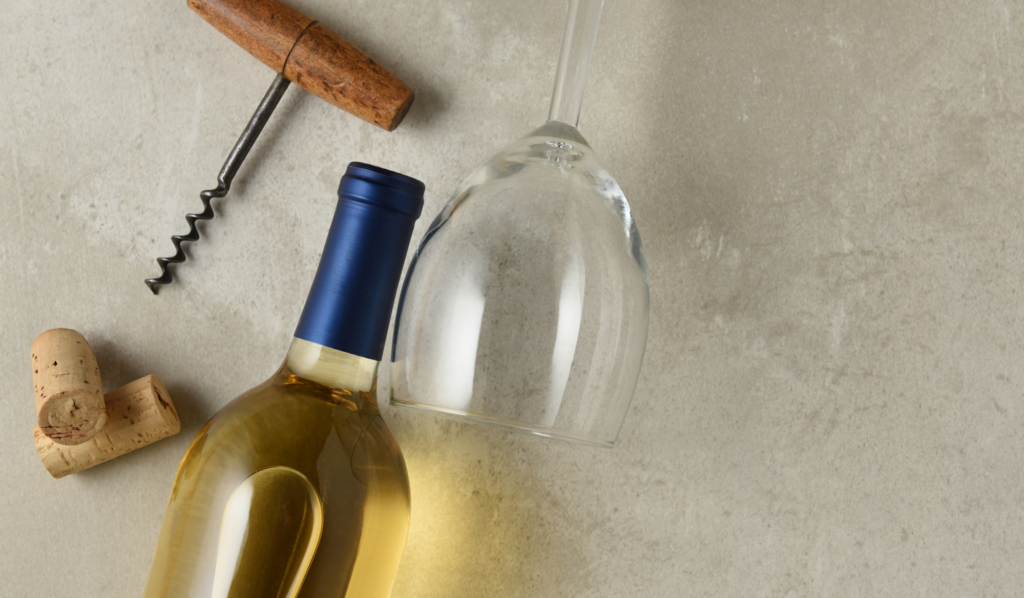
Wine deteriorates after opening because oxygen triggers oxidation reactions that break down aroma compounds and convert ethanol into acetaldehyde, leading to flat, sour, and sometimes vinegary flavors.
Oxidation is a chain of chemical reactions involving oxygen and key wine components. These reactions alter the wine’s structure, aroma profile, and taste balance.
Primary Compounds Affected
- Ethanol → converts into acetaldehyde
- Polyphenols → oxidize, changing color and mouthfeel
- Aromatic esters → degrade, reducing fruit and floral notes
Stages of Oxidation
Oxidation in wine is a progressive process, not an instant change. Each stage reflects a deeper level of chemical transformation, affecting aroma, structure, and overall drinkability.
Stage 1: Aromatic Loss
The first noticeable change occurs in the wine’s aromatic profile. Volatile compounds responsible for fruit, floral, and spice notes begin to dissipate or degrade upon exposure to oxygen.
At this stage, the wine may still taste acceptable, but it loses its vibrancy and complexity. Fresh notes such as berries, citrus, and flowers become muted, making the wine feel less expressive and less dynamic.
Stage 2: Structural Flattening
As oxidation continues, the wine’s structure begins to shift. The balance between acidity, tannins, and alcohol becomes less defined.
This results in a wine that tastes flat or dull. The crispness of white wines fades, while red wines lose their grip and texture. The overall profile becomes softer but less precise, often described as “lifeless” or “unbalanced.”
Stage 3: Acetaldehyde Formation
At this stage, ethanol begins converting into acetaldehyde, a compound strongly associated with oxidation.
This introduces distinct sensory changes:
- Bruised apple aroma
- Nutty or sherry-like notes
- Slight sharpness on the nose
These characteristics signal that the wine is no longer in optimal condition. While some oxidative styles of wine intentionally develop these notes, in most table wines, this is considered a defect.
Stage 4: Advanced Degradation
In the final stage, oxidation becomes severe and irreversible. The wine develops sour, vinegar-like characteristics as acetic acid and other byproducts increase.
The flavor profile becomes harsh, with:
- Sharp acidity
- Loss of fruit character
- Unpleasant, stale aromas
At this point, the wine is generally considered spoiled and no longer enjoyable.
Color Changes as Indicators
Visual changes often provide early clues about oxidation before taste fully deteriorates.
- Red wine: bright ruby tones gradually shift to brick, then brown
- White wine: pale straw deepens into yellow, then amber
These color changes occur due to the oxidation of polyphenols and pigments, altering how the wine reflects light.
Key Accelerators of Oxidation
Several external factors influence how quickly oxidation progresses:
- Temperature: Higher temperatures increase molecular activity, accelerating chemical reactions
- Oxygen Exposure Surface Area: More surface area means more contact between wine and oxygen, speeding up oxidation
- Light Exposure: UV light can trigger additional chemical reactions that degrade wine compounds
- Bottle Volume Remaining: The less wine in the bottle, the more oxygen fills the headspace
This is why a half-empty bottle deteriorates much faster than a nearly full one. The higher oxygen-to-wine ratio accelerates every stage of oxidation.
How Long Does Opened Wine Last With a Stopper
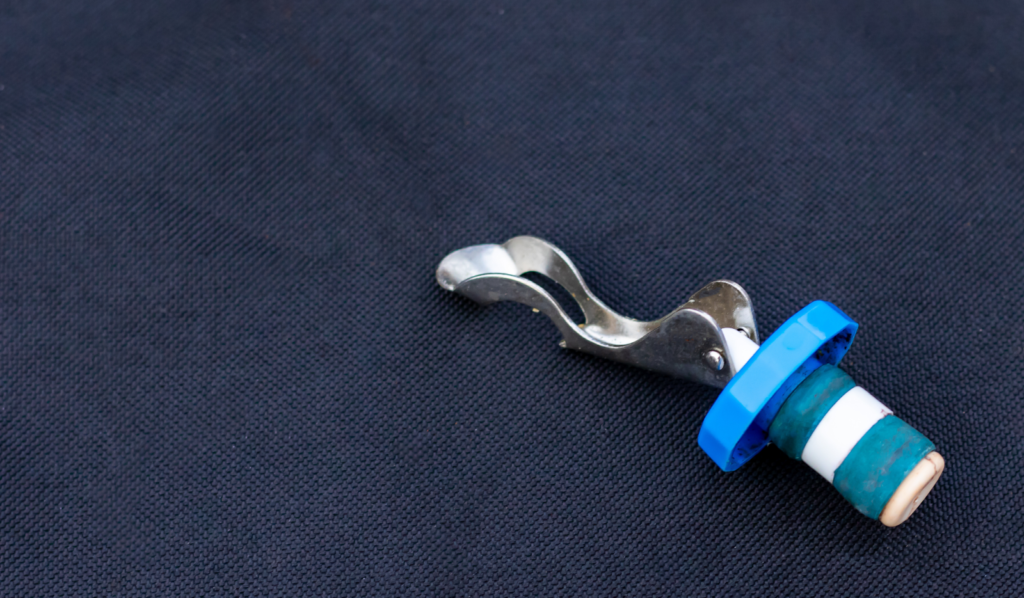
Most opened wines last 3 to 5 days with a standard stopper and up to 7 days with a vacuum stopper. Refrigeration and reduced oxygen exposure can extend freshness further.
Wine longevity depends on oxygen exposure, chemical composition, and storage conditions.
Detailed Breakdown by Wine Type
Red Wine (3–5 days)
Higher tannin and polyphenol content provide some resistance to oxidation. Fuller-bodied reds often last slightly longer than lighter reds.
White Wine (3–5 days, up to 6 refrigerated)
More sensitive to oxidation due to lower tannins. Aromatics fade quickly, but refrigeration slows this process.
Sparkling Wine (1–3 days)
Carbon dioxide escapes rapidly after opening. Without a pressure-sealed stopper, bubbles dissipate within hours.
Fortified Wine (2–3 weeks)
Higher alcohol content stabilizes the wine, significantly extending shelf life.
With vs Without a Stopper
- Without stopper: oxygen continuously replenishes, accelerating oxidation
- With stopper: oxygen exposure is limited, preserving structure and aroma
Storage Conditions That Extend Freshness
- Refrigeration slows molecular activity and oxidation
- Upright storage reduces oxygen surface contact
- Minimal headspace slows reaction rates
A nearly full bottle lasts longer than a half-empty one due to reduced oxygen volume.
Types of Wine Stoppers (And When to Use Each)
Different stopper types serve different preservation goals. Choosing the right one depends on how long you want to store the wine and how sensitive it is to oxygen.
1. Cork Stoppers
- Natural, traditional material
- Slight permeability allows micro-oxygen exchange
- Best for short-term resealing
- Not ideal for repeated use
2. Silicone Stoppers
- Flexible and airtight
- Durable and reusable
- Ideal for everyday use
3. Vacuum Wine Stoppers
- Removes oxygen from the bottle
- Extends freshness longer than standard stoppers
- Best for multi-day preservation
4. Champagne Stoppers
- Designed to handle internal pressure
- Locks onto bottle neck
- Preserves carbonation
5. Metal and Glass Stoppers
- Durable and visually appealing
- Seal quality varies
- Suitable for short-term storage
Best Wine Stopper for Each Use Case
- Daily drinkers: Silicone stopper for convenience and durability
- Wine enthusiasts: Vacuum stopper for extended preservation
- Sparkling wine lovers: Champagne stopper with locking mechanism
- Occasional users: Simple rubber or silicone stopper
Consistency matters more than complexity. A properly used basic stopper often outperforms a poorly used advanced system.
Vacuum vs Regular Wine Stoppers
Vacuum stoppers preserve wine longer because they remove oxygen from the bottle, while regular stoppers only prevent additional air from entering.
Functional Difference
Regular Stopper
- Seals the bottle
- Leaves oxygen in the headspace
- Slows but does not stop oxidation
Vacuum Stopper
- Extracts air from the bottle
- Reduces oxygen concentration
- Slows oxidation more effectively
Performance Comparison
- Regular stopper: 3 to 5 days
- Vacuum stopper: up to 7 days
How to Choose the Right Wine Stopper
Selecting the right stopper requires aligning preservation needs with usage habits.
1. Storage Duration
- 1 to 2 days: standard stopper
- 3 to 7 days: vacuum stopper
2. Wine Type
- Sparkling: champagne stopper
- Red: cork or vacuum
- White: airtight silicone or vacuum
3. Frequency of Use
- Frequent use: durable silicone
- Occasional use: simple rubber or cork
A tight fit is critical. A loose stopper allows oxygen infiltration regardless of material.
How to Store Opened Wine Properly
The best way to store opened wine is to reseal it tightly, refrigerate it, and keep the bottle upright to reduce oxygen exposure.
Best Practices
- Refrigerate all opened wine
- Store upright
- Avoid heat and light
- Reseal immediately after pouring
Cleaning and Maintenance
- Wash with mild soap and warm water
- Rinse thoroughly
- Dry completely before storage
Material Tips
- Silicone: dishwasher safe
- Cork: avoid soaking
- Metal: dry immediately
Can You Reuse Wine Stoppers
Most wine stoppers are reusable as long as they maintain a tight seal and are properly cleaned.
- Silicone and rubber: long lifespan
- Vacuum stoppers: reusable if seals remain intact
- Cork: limited reuse
Eco-Friendly Wine Stoppers
- Natural cork: renewable
- Stainless steel: recyclable
- Silicone: long-lasting
Durability often matters more than material alone in reducing environmental impact.
Conclusion
Wine preservation is not just about sealing a bottle. It is about controlling oxygen exposure, slowing chemical reactions, and maintaining the integrity of the wine’s structure.
A well-chosen wine stopper, combined with proper storage, can extend the life of an opened bottle from a single evening to nearly a week. By understanding how oxidation works and matching the stopper to your needs, you ensure that every glass retains its intended character.
Choosing the right stopper is a small decision that has a measurable impact on quality, consistency, and overall wine enjoyment.
For those looking to upgrade their wine preservation game, our curated selection offers everything you need to keep your wine fresh and enjoyable. Discover the perfect wine stopper for any occasion by exploring our collection at Wine-n-Gear, and browse our full range of wine accessories designed to enhance every pour.
FAQs
How long do wine stoppers keep wine fresh?
Wine stoppers typically keep wine fresh for 3 to 5 days by limiting oxygen exposure, while vacuum stoppers can extend freshness up to 7 days by removing air from the bottle. The exact duration depends on the wine type, storage conditions, and how much wine remains in the bottle.
How to keep wine fresh once opened?
To keep wine fresh after opening, reseal the bottle with a tight-fitting stopper, refrigerate it immediately, and store it upright to minimize oxygen contact. Reducing temperature and limiting air exposure are the two most effective ways to slow oxidation and preserve flavor.
What is the 75 rule for wine?
The 75 rule refers to serving wine at approximately 75°F (24°C) for reds to allow optimal aroma expression, but it is often misunderstood in storage contexts. For preservation, wine should not be kept at this temperature after opening, as warmer conditions accelerate oxidation and spoilage.
How long does open wine last with a stopper?
Opened wine sealed with a standard stopper usually lasts 3 to 5 days, while vacuum-sealed bottles can remain drinkable for up to 7 days. Sparkling wines last only 1 to 3 days even with a stopper, as carbonation escapes quickly.
Should you refrigerate red wine after opening?
Yes, refrigerating red wine after opening is recommended because lower temperatures slow oxidation and preserve flavor. The wine can be brought back to serving temperature before drinking without affecting its quality.