Alcohol Percentage Explained: ABV in Beer, Wine, Champagne, Spirits, and More

ABV (Alcohol by Volume) is the percentage of pure ethanol in a drink. Beer is commonly 4% to 8% ABV, wine is often 12% to 14% ABV, sparkling wine is similar, and distilled spirits are typically about 40% ABV or higher. ABV tells you how strong a beverage is, but serving size determines how much alcohol you actually consume.
Most people compare alcohol by category, but that shortcut breaks fast. A tall can of high-ABV beer can equal two drinks. A generous wine pour can outpace a cocktail. And sweet, carbonated drinks can feel stronger than their ABV suggests because they go down quickly.
Key Takeaways
- ABV is the percent of pure alcohol in a beverage by volume.
- “Proof” is a spirits term; in the U.S., proof is typically about double the ABV (80 proof equals 40% ABV).
- A standard drink is a practical way to compare alcohol across beverages because it accounts for both ABV and serving size.
- ABV varies widely within categories, especially beer, wine, and liqueurs.
- The safest comparison is alcohol per serving, not “beer vs wine vs liquor.”
What Does Alcohol Percentage (ABV) Mean?
ABV is the percentage of ethanol in a beverage, measured by volume. A drink labeled 5% ABV is about 5% alcohol and 95% water and other compounds. A spirit labeled 40% ABV is about 40% alcohol.
ABV matters because it shapes:
- Strength and pacing
- Flavor intensity and “heat”
- How much alcohol is in a typical pour
ABV vs alcohol consumed (why serving size matters)
ABV is concentration. Your intake is concentration multiplied by volume. That is why “one drink” can mean very different things in the real world.
A small glass of wine at dinner might be 5 ounces. A restaurant pour might be 8 ounces. Same ABV, very different alcohol.
Why ABV varies within the same type of alcohol
ABV shifts based on:
- Fermentation (how much sugar turns into alcohol)
- Distillation (how concentrated the alcohol becomes)
- Style expectations (for example “imperial” beer or “cask strength” whiskey)
- Local rules and production methods
Practical takeaway: treat ABV as your best strength signal, but always pair it with serving size.
Alcohol Percentage by Type (Quick Reference)
Most beer ranges from 3% to 10% ABV, most table wine ranges from 9% to 15% ABV, most sparkling wine ranges from 10.5% to 12.5% ABV, fortified wines often range from 15% to 22% ABV, liqueurs can span 15% to 35% or higher, and most spirits range from 35% to 50% ABV. Overproof spirits are commonly 50% ABV and above.
Typical ABV Ranges by Beverage Type
| Beverage Type | Typical ABV Range |
| Light beer | 3% to 4.5% |
| Standard beer | 4% to 6% |
| IPA | 6% to 7.5% |
| Double IPA | 7.5% to 10% |
| Imperial stout / strong ale | 8% to 12%+ |
| Hard seltzer | 4% to 8% |
| Malt liquor | 6% to 9%+ |
| Hard cider | 4% to 8% |
| Mead | 6% to 14%+ |
| Wine (red, white, rosé) | 9% to 15% |
| Champagne / sparkling wine | 10.5% to 12.5% |
| Fortified wine (port, sherry, vermouth, madeira) | 15% to 22% |
| Dessert wine (late harvest, ice wine) | 7% to 14%+ |
| Sake | 13% to 17% |
| Soju | 12% to 25% |
| Baijiu | 40% to 60%+ |
| Liqueurs / cordials | 15% to 35%+ |
| Amaro / aperitifs | 11% to 35% |
| Bitters | often 35% to 50%+ (small servings) |
| Vodka | 35% to 50% |
| Gin | 37.5% to 47% (higher for navy strength) |
| Rum | 35% to 50% (higher for overproof) |
| Tequila / mezcal | 35% to 50% |
| Whiskey / bourbon / scotch | 40% to 50% (higher for cask strength) |
| Brandy / cognac | 35% to 45% |
| Overproof spirits | 50% to 75%+ |
Beer Alcohol Percentage (ABV)
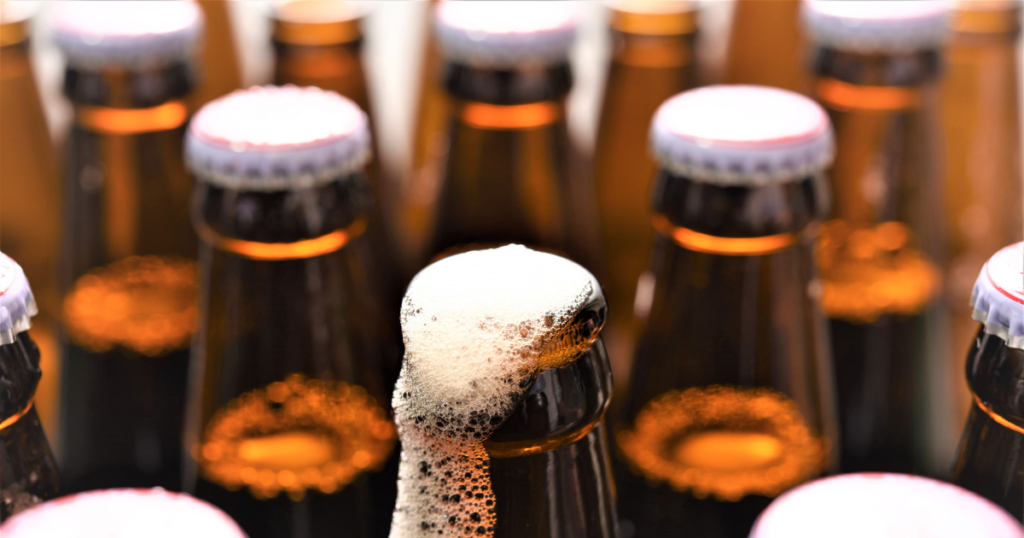
Beer is usually lower ABV than wine and spirits, but many modern styles push higher. The biggest reason people underestimate beer is that strong beer often tastes smooth and comes in larger containers.
Common beer ABV by style
- Light lager: 3% to 4.5%
- Standard lager or ale: 4% to 6%
- IPA: 6% to 7.5%
- Double IPA: 7.5% to 10%
- Imperial stout / strong ale: 8% to 12%+
“Low alcohol” and “non-alcoholic” beer
The terms vary by region and brand. Some “non-alcoholic” beers contain small amounts of alcohol, while “low alcohol” can mean anything from under 2.5% to other thresholds depending on the market. The only reliable check is the ABV printed on the label.
The container trap: tall cans and high ABV
A high-ABV beer in a large can can quietly equal two standard drinks. For pacing, beer is not “automatically light.” The ABV and pour size decide that.
Wine Alcohol Percentage (ABV)
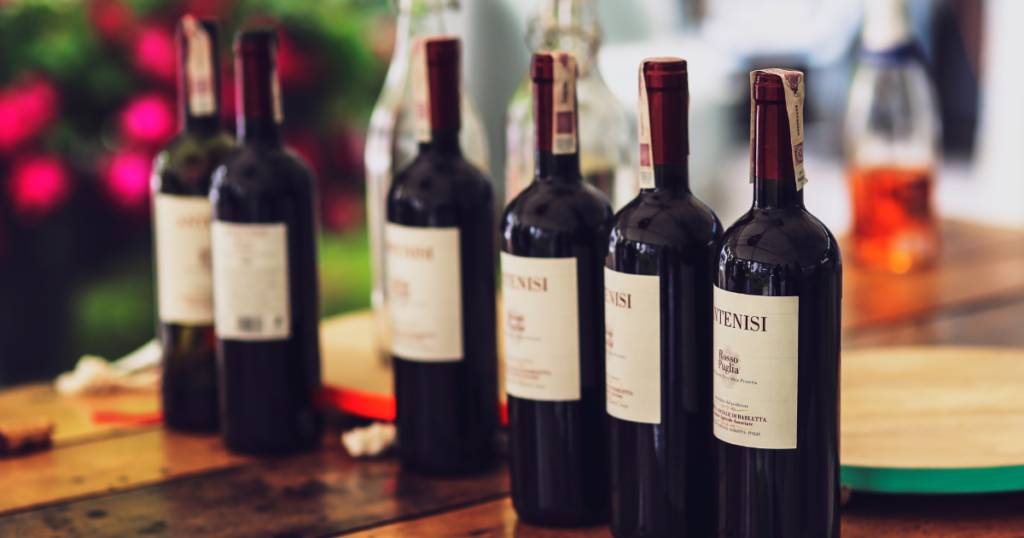
Most table wines sit around 12% to 14% ABV, with common ranges from 9% to 15% or more. Wine alcohol is largely driven by grape sugar at harvest, which turns into alcohol during fermentation.
Typical wine ABV ranges
- Lower alcohol wines: 9% to 11%
- Most table wines: 12% to 14%
- Higher alcohol wines: 14% to 15%+
Why some wines run higher
Higher ABV tends to show up when:
- Grapes ripen more fully (more sugar)
- Fermentation converts more sugar into alcohol
- Styles prioritize richness and body
A modern, practical trend: stronger wines are not always a “choice”
Warm growing seasons can push ripeness higher, which can push alcohol higher unless producers adapt. Many producers now manage alcohol through harvest decisions and fermentation strategy to preserve balance.
How ABV changes wine taste
Higher alcohol can increase:
- Warmth and intensity
- Body and “weight” on the palate
- The sense of sweetness, even in dry wines
Champagne and Sparkling Wine Alcohol Percentage
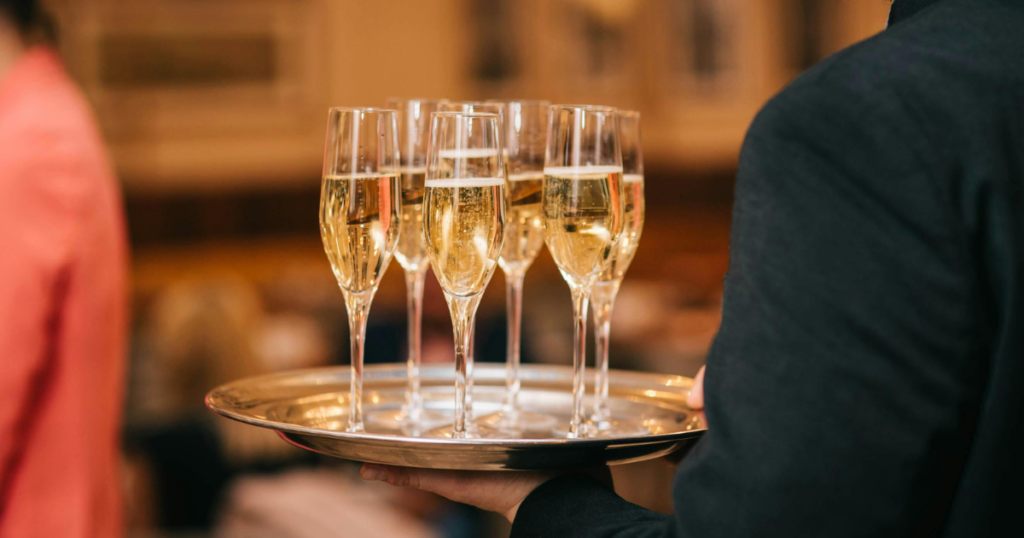
Champagne and sparkling wine typically land around 10.5% to 12.5% ABV, often similar to table wine. Sparkling wine is not high alcohol by default, but it can feel potent for other reasons.
Why sparkling wine can feel stronger
Two practical reasons:
- Carbonation can make drinks feel like they “hit faster” for some people.
- Sparkling wine is often consumed more quickly, especially during celebrations.
Pour behavior matters, too. “One glass” can turn into repeated top-offs.
Fortified and Dessert Wines (Where Wine Starts Approaching Spirits)
Fortified wines are wines strengthened by added distilled alcohol, typically ranging from 15% to 22% ABV. They are not spirits, but they are meaningfully stronger than table wine.
Common fortified wine types
- Port: often in the high teens to low twenties
- Sherry: mid-teens to around 20%
- Madeira: commonly high teens
- Vermouth: commonly mid-teens
Dessert wines that are not fortified
Some dessert wines are sweet because fermentation stops early, not because alcohol is added. That means you can have a sweet wine that is not necessarily high ABV. Practical insight: sweetness can mask alcohol heat, which encourages faster sipping.
Cider and Mead (Fermented Drinks People Forget to Compare)
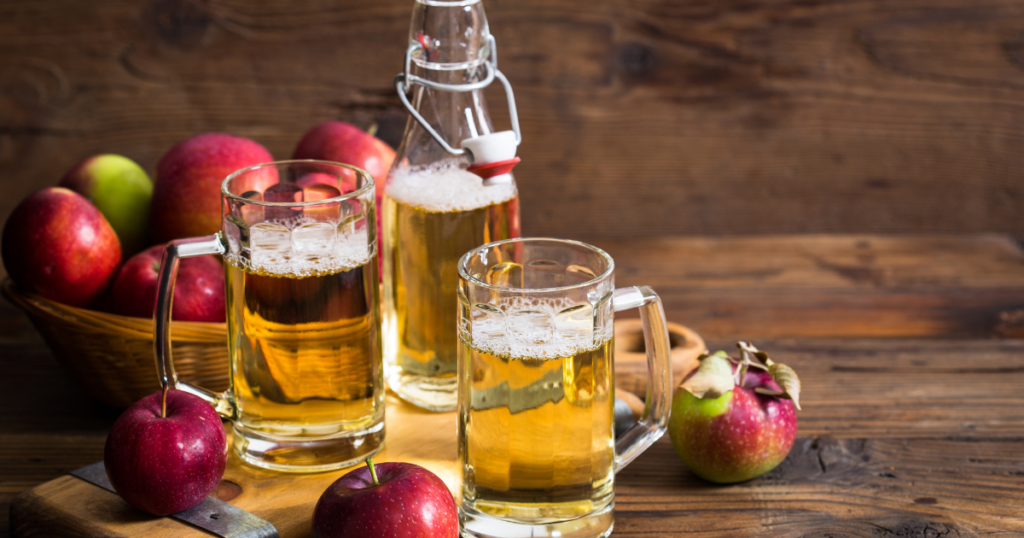
Hard cider usually sits around 4% to 8% ABV, and mead commonly ranges from 6% to 14% or higher. These drinks often show up in “is it stronger than beer?” searches.
- Hard cider: Most mass-market cider behaves like beer in strength, while specialty cider can climb higher.
- Mead: Mead can behave like wine in strength, especially traditional or higher-gravity styles.
Sake, Soju, and Baijiu (Global ABV by Name)
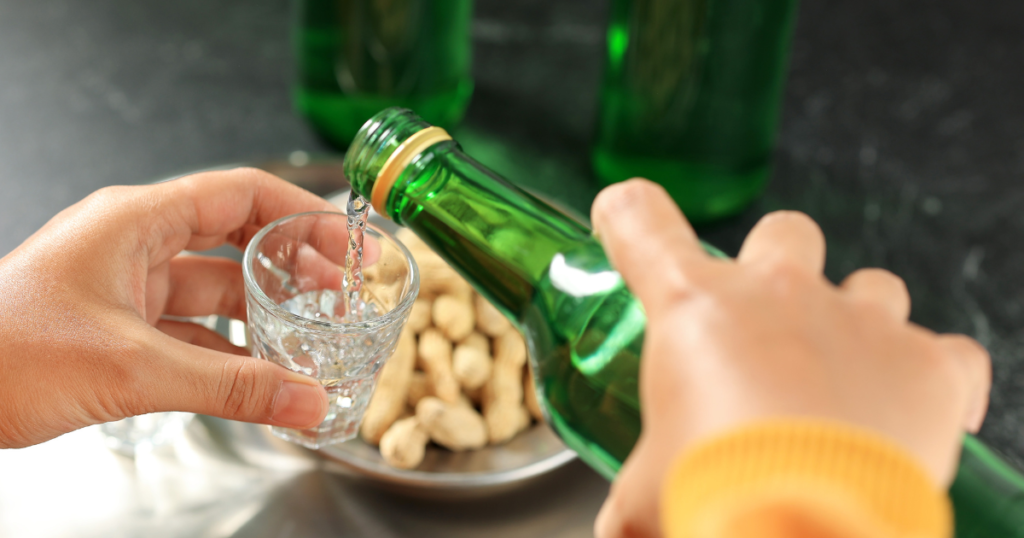
Sake is commonly around 13% to 17% ABV, soju often ranges from about 12% to 25% ABV, and baijiu frequently sits around 40% to 60% ABV. These beverages are often misunderstood because they do not fit neatly into “beer, wine, liquor” buckets.
- Sake: Sake is brewed, not distilled, and is typically closer to wine strength than to vodka strength.
- Soju: Soju ranges widely. Some modern versions are intentionally lower ABV and designed to be easy-drinking, while other styles run stronger.
- Baijiu: Baijiu is generally a high-ABV distilled spirit and often compares to or exceeds many Western spirits in strength.
Liqueurs, Cordials, Amaro, and Bitters (The Sneaky ABV Category)
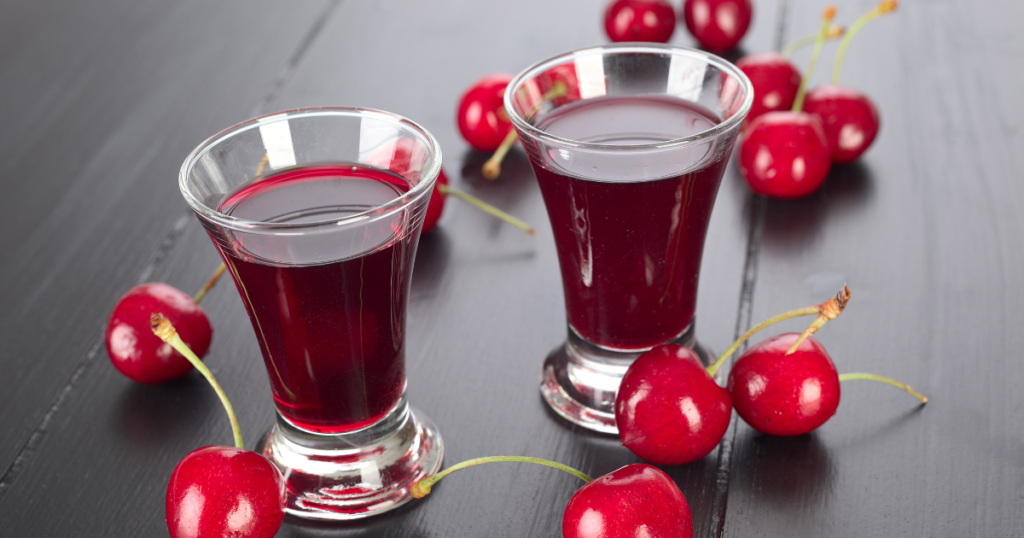
Liqueurs can range from about 15% to 35% ABV and sometimes higher because they are sweetened, flavored spirits. They can be deceptively easy to drink due to sugar and flavoring.
- Liqueurs and cordials:
- Cream liqueurs often sit around 15% to 20%
- Citrus and herbal liqueurs often sit around 20% to 35%+
- Amaro and aperitifs: These vary by base. Some are wine-based and lighter. Others are spirit-based and surprisingly strong.
- Bitters: Bitters are often high ABV but used in small dashes. They matter more for understanding concentration than for total intake.
Spirits ABV: Vodka, Gin, Whiskey, Rum, Tequila, Brandy
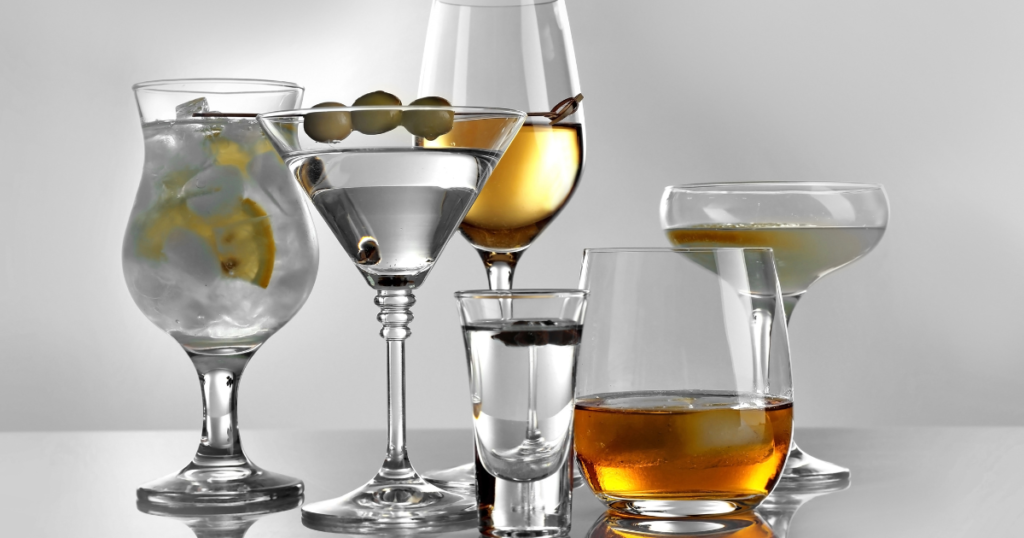
Most distilled spirits are bottled around 40% ABV (80 proof), with common ranges from 35% to 50% ABV. Higher-proof versions exist for bolder flavor, better cocktail performance, or enthusiast sipping.
- Whiskey
- Typical: 40% to 50% ABV
- Cask strength: often higher, sometimes well above 50%
- Vodka
- Typical: around 40% ABV
- High-proof versions: exist and are sometimes used for infusions or specialty purposes
- Rum
- Typical: 35% to 50% ABV
- Overproof: can climb well above 50%
- Gin
- Typical: 37.5% to 47% ABV
- Navy strength: typically higher, often around the upper-50% range
- Tequila and mezcal
- Typical: 35% to 50% ABV
- Some releases are higher proof and intended for sipping or cocktail intensity
- Brandy and cognac
- Typical: 35% to 45% ABV
Overproof Alcohol (What It Is, Why It Exists, How to Treat It)
Overproof spirits are significantly stronger than standard 40% ABV bottlings, commonly 50% ABV and above. They exist because high strength can preserve flavor through dilution and mixing.
Why bartenders use overproof
Ice and stirring dilute cocktails. Overproof spirits can hold structure and aroma after dilution, especially in recipes designed for boldness.
Practical safety note
Overproof is easy to underestimate. Small differences in pour size can increase alcohol intake quickly. Treat it like a concentrate.
ABV vs Standard Drinks (The Comparison That Actually Works)
A standard drink is a way to compare alcohol across beverage types by accounting for both ABV and serving size. This matters because the same “one drink” language is used for very different pours.
Standard drink equivalents (quick mental model)
- 12 oz beer at 5% ABV
- 5 oz wine at 12% ABV
- 1.5 oz spirits at 40% ABV
These are designed to be roughly equivalent in pure alcohol.
The fastest way to compare any drink
Use this simple math:
Pure alcohol (oz) = pour size (oz) × (ABV ÷ 100)
This is the cleanest method to compare a strong beer, a large wine pour, and a cocktail built on a high-proof spirit.
Why ABV Changes Taste, Calories, and the “Feel” of a Drink
Higher ABV increases perceived warmth, volatility, and intensity. But “how strong it feels” is also shaped by sweetness, carbonation, temperature, and how fast the drink is consumed.
Flavor mechanics
Higher ABV tends to increase:
- Alcohol heat and burn
- Aromatic lift
- Body and weight
Calories and sugar
Alcohol contributes calories. Many sweet drinks add sugar calories on top. That combination is why some lower-ABV beverages can still lead to fast consumption and bigger total intake.
ABV Makes Sense When You Compare Like for Like
At Wine-N-Gear, we see this misconception all the time. ABV is the percentage of pure alcohol in a beverage, and it is the fastest way to estimate strength. But categories alone can be misleading when serving sizes change. A strong beer in a large can can equal multiple drinks, and a heavy wine pour can quietly exceed a cocktail.The most practical approach is simple. Use ABV to understand concentration, then think in standard drinks to understand total intake. When strength and serving size are matched to the occasion, pacing improves, flavors stay balanced, and the overall drinking experience becomes more intentional and enjoyable.