From Old Corkscrews to Modern Wine Keys: The Evolution of Wine Openers

Wine openers evolved from 17th-century musket tools into specialized devices designed to remove corks safely, efficiently, and with minimal damage. Modern wine openers balance leverage, control, and cork preservation based on bottle age and cork condition.
Wine openers are often treated as simple accessories, yet they sit at the intersection of material science, mechanical engineering, and wine preservation. As wine shifted from barrel storage to sealed glass bottles, the act of opening a bottle became a technical problem with real consequences.
A damaged cork can ruin aroma, accelerate oxidation, or destroy the ritual of service. Understanding how wine openers evolved explains why certain tools endure and why others fail in critical moments.
Key Takeaways
- Wine opener design evolved in response to cork fragility, bottle aging, and user skill.
- The wine key remains the professional standard because it offers precision and control.
- Convenience-driven designs trade finesse for speed and accessibility.
- Older wines require fundamentally different extraction mechanics.
- No single opener is best without context of bottle age and cork condition.
Why Wine Needed a Dedicated Opening Tool
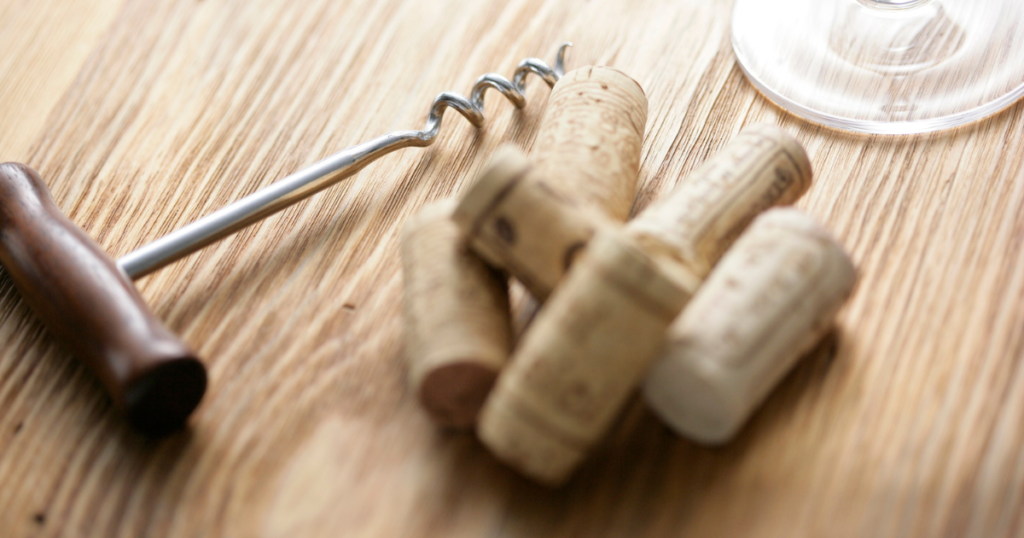
Corks became standard closures in the 17th century, creating the need for controlled extraction without damaging the wine or stopper.
Before cork-sealed bottles, wine was stored in barrels and consumed quickly. Once corks and glass bottles became common, wine gained the ability to age. That aging introduced a new challenge. Natural cork expands to seal the neck, compresses over time, and slowly dries and weakens. Removing it cleanly required precision rather than brute force.
Early attempts at opening bottles often shattered corks or pushed fragments into the wine. The problem was not strength. It was control. Wine openers emerged to solve that problem by managing force, depth, and alignment.
The 17th Century Origins
The first corkscrews were adapted from military tools used to extract jammed musket balls.
The earliest wine openers were simple T-shaped iron tools with a twisted worm. They closely resembled the implements soldiers used to remove stuck bullets from firearms. These tools relied entirely on pulling force. There was no leverage system, no depth control, and no mechanism to protect fragile corks.
They worked, but poorly. Corks frequently split or crumbled, especially as bottles aged. These early designs prioritized extraction over preservation and made opening wine a risky act.
1795 and the First True Corkscrew Patent
The Henshall button introduced controlled depth and improved leverage, preventing cork tearing.
In 1795, Reverend Samuel Henshall patented a corkscrew that added a small flat disc between the worm and the handle. This disc, now known as the Henshall button, limited how far the worm could penetrate the cork and allowed downward pressure to increase grip before pulling.
This innovation mattered. It recognized that cork integrity was as important as removal. For the first time, a wine opener was designed specifically around the material behavior of cork rather than raw extraction power.
The Rise of Leverage-Based Designs (1800s)
Lever systems transformed cork removal from strength-based to mechanics-based.
Single-Lever Corkscrews
Single-lever designs introduced mechanical advantage, reducing the force required to lift a cork. By shifting effort from arms to physics, these openers improved consistency and reduced cork breakage.
Winged Corkscrews (1888)
Winged corkscrews made cork removal accessible to everyday users but reduced tactile control.
In 1888, James Healy patented the winged corkscrew. As the worm turned, two levers rose, then pressed down to lift the cork. This design democratized wine opening and remains common in homes today.
Its limitation is sensitivity. Winged corkscrews apply symmetrical force but offer little feedback. On older corks, that lack of control often leads to crumbling.
The Waiter’s Friend and the Birth of the Wine Key (1882)
The wine key became the professional standard due to portability, leverage staging, and tactile feedback.
In 1882, Karl Wienke patented the Waiter’s Friend, now commonly called the wine key. Its two-stage lever allows the cork to be extracted in controlled phases rather than one continuous pull.
This design offers three advantages professionals value:
- Compact portability
- Precise leverage control
- Direct tactile feedback from the cork
The wine key does not overpower the cork. It listens to it. That sensitivity is why sommeliers still rely on it today.
Cork Science Meets Opener Design
Cork density, age, and moisture determine which opener is safest for extraction. Young corks are elastic and resilient. Older corks lose moisture, become brittle, and adhere more tightly to glass. Synthetic corks resist compression but lack the forgiving structure of natural cork.
Opener design must account for these differences. A tool that excels with young wines may destroy an aged cork. This is why professional settings do not rely on a single opener style.
Late 20th Century Modernization
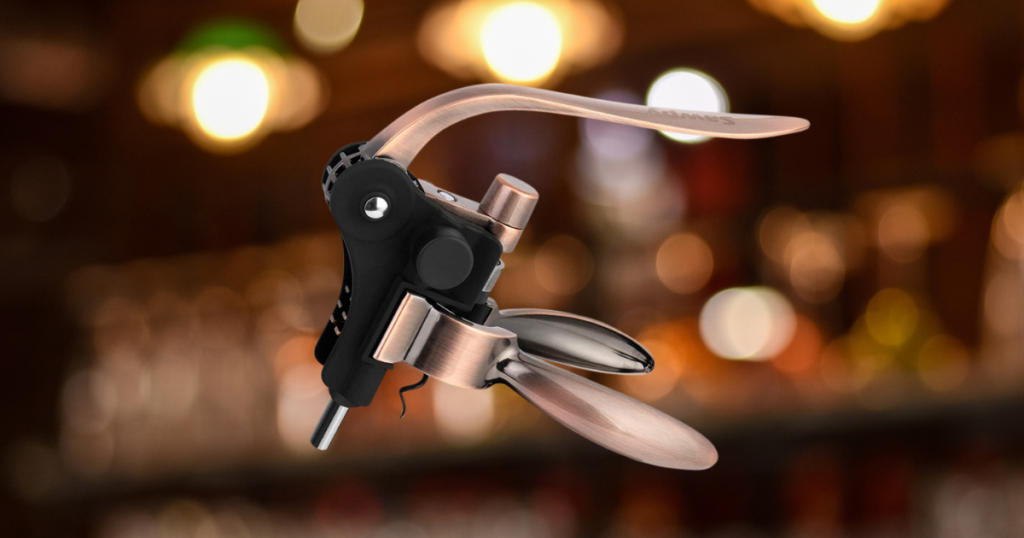
Modern wine openers prioritized speed, consistency, and ease of use over tactile control.
Lever or Rabbit Corkscrews
Rabbit-style openers use compound leverage to remove corks quickly and with minimal effort. They are ideal for high-volume service but can overpower delicate corks if misused.
Electric Corkscrews
Electric openers automate rotation and extraction. They offer convenience and consistency but remove human feedback entirely. When torque exceeds cork strength, failure is sudden and irreversible.
Specialty Tools for Fragile and Aged Wines
Older wines require extraction tools designed to protect degraded corks rather than force removal.
The Ah-So
The Ah-So uses two prongs to grip the cork from the sides rather than piercing it. This method preserves cork integrity and prevents fragmentation.
Hybrid and Dual-Action Tools
Hybrid tools combine a worm with side prongs, allowing the user to stabilize the cork before lifting. These tools bridge the gap between modern convenience and traditional finesse.
The Durand
The Durand exists to solve a very specific problem: removing extremely fragile, old corks intact. The Durand combines a worm and prongs into a single tool. It is not for everyday use. It is for collectors and aged bottles where cork failure would compromise the wine itself.
Choosing the Right Wine Opener by Context
| Context | Recommended Opener Type | Why It Works |
| Everyday wines | Wine key or winged corkscrew | Reliable, easy to use, handles healthy corks well |
| Restaurant service | Wine key | Offers speed, precision, and tactile control during service |
| Collector cellars | Ah-So or Durand-style tool | Protects fragile, aged corks from crumbling |
| Travel and portability | Compact wine key | Lightweight, durable, and TSA-friendly when packed properly |
Choosing the right opener is about matching force and control to the condition of the cork. Young, resilient corks tolerate simpler tools, while older bottles demand preservation-first mechanics. When the opener fits the context, extraction becomes clean and predictable, protecting both the wine itself and the overall experience of opening the bottle.
Why the Wine Key Still Endures
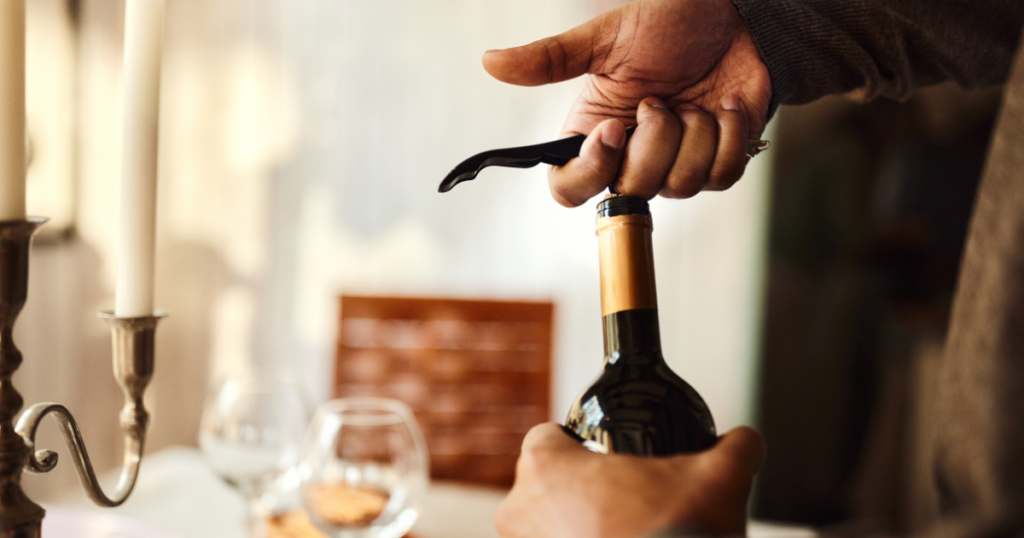
The wine key has remained the professional standard for more than a century because it solves the core problem of opening wine better than any alternative. It delivers controlled leverage without overpowering the cork, provides direct tactile feedback during extraction, and adapts to a wide range of cork conditions and bottle ages.
Unlike convenience-driven tools, the wine key respects the material behavior of cork and rewards proper technique, making it reliable in both everyday service and high-stakes situations.
Why professionals continue to rely on the wine key:
- Balanced leverage allows gradual, controlled cork removal
- Direct feedback helps detect resistance, cracking, or failure early
- Compact, portable design suits service, travel, and cellar use
- Works across young wines, older bottles, and varied cork types
- Longevity of design proves its effectiveness over time
What the Evolution of Wine Openers Really Tells Us
At Wine-N-Gear, we see wine openers as a reflection of how wine itself has evolved. As wine shifted from something meant for immediate consumption to something meant to be preserved, respected, and aged, the tools followed the same path.
Openers moved away from brute force and toward control, sensitivity, and intention. The best wine opener is not the strongest or the most automated. It is the one that understands how cork, bottle, and moment come together, and supports the wine rather than overpowering it.