Does Unopened Wine Go Bad? When Wine Improves vs. Declines
Unopened wine can go bad, but it usually loses flavor, freshness, balance, or aroma before it becomes a safety concern. Wine does not expire like milk or fresh food. It changes slowly inside the bottle, and that change can be graceful or disappointing depending on the wine, the closure, the storage conditions, and the amount of structure the wine had when it was made.
Some bottles become more complex with time. Others become dull, flat, sour, oxidized, cooked, or simply less enjoyable than they were meant to be. The key is understanding the difference between wine that is aging, wine that is past its peak, and wine that has been damaged.
Key Takeaways
- Wine can go bad unopened, but old wine is usually unpleasant rather than dangerous.
- Most everyday bottles are made to be enjoyed within one to five years, not stored for decades.
- Age-worthy wines improve only when they have enough acidity, tannin, sugar, alcohol, concentration, and balance.
- Heat, light, oxygen, dry corks, and temperature swings can ruin a bottle before its natural drinking window.
- The best way to judge an old bottle is to open it and check the cork, color, aroma, bubbles, texture, and taste.
What Happens to Wine Inside a Sealed Bottle?
A sealed bottle can still go bad when oxygen, heat, light, poor storage, or time damages its aroma, flavor, color, and structure. Wine is more protected before opening, but it is not frozen in time. It continues to evolve slowly after bottling.
That evolution is part of wine’s appeal. A young red wine can soften. A serious white wine can gain honeyed, nutty, or mineral complexity. A vintage Champagne can develop brioche, toast, almond, and dried fruit notes. But the same process can eventually go too far. Fruit fades. Acidity may feel sharper because the fruit has disappeared. Tannins can dry out. Bubbles can weaken. Aromas can turn stale, cooked, vinegary, or flat.
The word “bad” can mean several different things with wine:
- Spoiled by oxygen
- Damaged by heat
- Affected by cork taint
- Too old and past its peak
- Flat, dull, or lifeless
- Sour, vinegary, or chemically sharp
- Cooked, stewed, or maderized
- No longer enjoyable, even if not unsafe
This is why old unopened wine should not be judged by age alone. A ten-year-old bottle of high-quality Cabernet Sauvignon stored in a cool cellar may still be excellent. A two-year-old bottle of inexpensive rosé stored near a sunny kitchen window may already taste tired.
Does Wine Expire or Just Decline?
Wine usually declines rather than expires. An expiration date, best-by date, or vintage year should be treated as a quality clue, not a strict safety deadline.
Fresh foods spoil because bacteria, mold, or enzymes make them unsafe or unpleasant. Wine is different. Its alcohol, acidity, low pH, and sulfites make it more stable than many other beverages. That does not mean it lasts forever. It means the problem is usually quality, not immediate danger.
A wine can be:
Still drinkable
It may not be at its best, but it smells normal, tastes acceptable, and has no major faults.
Past its prime
It has lost freshness, fruit, aroma, texture, or balance, but it is not necessarily spoiled.
Faulty
It smells like wet cardboard, vinegar, nail polish remover, rotten eggs, cooked fruit, or mold. It may taste sharp, flat, bitter, stale, or unpleasant.
Damaged
It has been harmed by heat, light, oxygen, cork failure, leakage, or poor storage.
The useful question is not only “Has this wine expired?” A better question is: “Was this wine made to age, and has it been stored well enough to reach its best drinking window?”
Why Some Unopened Wine Improves With Age
Wine improves with age when its structure, fruit concentration, acidity, tannin, alcohol, sugar, and balance allow it to evolve without falling apart. Aging is not magic. It is a slow set of chemical changes inside the bottle.
In age-worthy wine, time can create a more integrated and layered drinking experience. Tannins that once felt firm or drying may soften. Sharp edges may become smoother. Primary fruit aromas may shift into deeper notes such as dried cherry, fig, leather, tobacco, cedar, mushroom, forest floor, honey, almond, toast, petrol, spice, or roasted nuts.
This is why a young cellar-worthy wine can taste tight, intense, or closed when first released. It may have plenty of fruit, acidity, tannin, and concentration, but the elements are not fully integrated yet. With proper storage, those pieces can come together.
The Structure That Helps Wine Age
Age-worthy wine usually has several of these traits:
High acidity
Acidity keeps wine fresh. It acts like a backbone, helping the wine stay lively as fruit flavors mature. This is why Riesling, Champagne, Chenin Blanc, Sangiovese, Nebbiolo, and many cool-climate wines can age well.
Firm tannins
Tannins come from grape skins, seeds, stems, and oak. They give red wine grip and structure. In youth, tannins can feel dry or astringent. Over time, they can soften and become smoother.
Concentrated fruit
A wine needs enough fruit intensity to survive aging. If the fruit is thin at the start, time will not create more depth. Aging tends to transform fruit, not replace it.
Sugar
Sweet wines often age beautifully because sugar helps preserve flavor and texture. Sauternes, Tokaji, ice wine, late-harvest Riesling, and some sweet Chenin Blanc can last for many years under proper storage.
Alcohol
Alcohol can help stabilize wine, especially in fortified styles such as Port, Madeira, Marsala, and some Sherry. Too much alcohol without balance, however, can make a wine feel hot or heavy as it ages.
Phenolic structure
Phenolics are compounds from grapes and winemaking that affect color, bitterness, tannin, and texture. They help explain why some wines have more aging potential than others.
Balance
Balance is the most important factor. A wine with huge tannins but weak fruit can dry out. A wine with high acidity but little concentration can become thin. A wine with high alcohol and low freshness can feel tired quickly. Age-worthy wine needs harmony, not just power.
Why Most Unopened Wine Declines
Most unopened wine declines because it was made for freshness, fruit, and early enjoyment. The common belief that all wine improves with age is one of the biggest wine myths.
Many wines are released when they are ready to drink. This includes most grocery-store wines, inexpensive reds, crisp whites, rosés, Moscato, Prosecco, simple sparkling wines, and many aromatic white wines. These bottles are designed to taste bright, easy, and expressive while young.
When freshness-driven wines are kept too long, the best parts fade first. Citrus notes become dull. Berry flavors become muted. Floral aromas disappear. Rosé can taste flat or bruised. Prosecco can lose its lively fruit and bubbles. Light reds can turn thin, sour, or earthy in an unpleasant way.
Aging does not automatically make a wine better. It makes wine different. Whether that difference is better depends on the bottle.
How Long Does Unopened Wine Last by Type?
Unopened wine lasts anywhere from one year to several decades depending on wine type, quality, closure, vintage, and storage. The ranges below are practical drinking windows, not strict expiration dates.
| Wine Type | Typical Best Drinking Window | Can It Age Longer? | What Usually Declines First |
| Light white wine | 1 to 3 years | Sometimes, if high quality and acidic | Citrus, freshness, floral aroma |
| Full-bodied white wine | 2 to 5 years | Yes, especially quality Chardonnay, white Burgundy, Semillon | Fruit, oak balance, texture |
| Rosé | 1 to 2 years | Rarely, except serious cellar-worthy rosé | Fresh red fruit, brightness |
| Light red wine | 2 to 4 years | Sometimes, if high quality | Fruit, perfume, delicacy |
| Medium-bodied red wine | 3 to 6 years | Yes, depending on grape and producer | Fruit, balance, freshness |
| Structured red wine | 5 to 20+ years | Yes, if built for aging | Fruit, tannin balance, aroma complexity |
| Prosecco and simple sparkling wine | 1 to 3 years | Usually not | Bubbles, freshness, fruit |
| Non-vintage Champagne | 3 to 5 years | Sometimes longer | Bubbles, citrus, freshness |
| Vintage Champagne | 5 to 15+ years | Yes, for strong bottles | Effervescence, balance |
| Dessert wine | 5 to 30+ years | Often, if sweet and acidic | Freshness, color, aroma |
| Fortified wine | Many years to decades | Often | Style-specific freshness and aroma |
| Boxed wine | Follow package date | No | Freshness, oxidation protection |
These windows assume decent storage. Poor storage can shorten the life of any wine dramatically.
Unopened Red Wine Shelf Life
Unopened red wine usually lasts longer than white or rosé because many red wines have tannins and phenolic structure. Still, not every red wine is built for the cellar.
Light reds such as Beaujolais, basic Pinot Noir, and simple Gamay are often best within two to four years. Their charm is freshness, red fruit, perfume, and soft texture. If stored too long, they can become thin, sour, or faded.
Medium-bodied reds such as Merlot, Chianti, Côtes du Rhône, Tempranillo, and many blends may last three to six years depending on quality. Better versions can go longer, especially if they have acidity, tannin, and concentration.
Structured reds such as Cabernet Sauvignon, Bordeaux, Barolo, Brunello di Montalcino, Rioja Gran Reserva, Syrah, and Nebbiolo can age for many years when made well and stored properly. These wines often have tannin, acidity, depth, and complexity that allow them to evolve.
A red wine is more likely to be past its prime if it smells flat, dusty, vinegary, cooked, or lifeless. Its color may shift from ruby or purple toward brick, tawny, or brown. Some brick color is normal in aged red wine, but a dull brown appearance combined with stale aromas is a warning sign.
Unopened White Wine Shelf Life
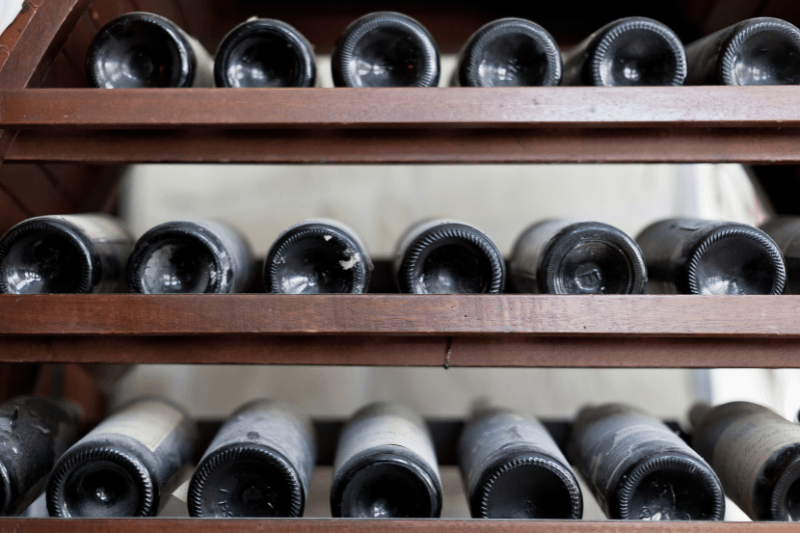
Unopened white wine often has a shorter drinking window than red wine, but quality white wines can age beautifully when they have acidity, concentration, and balance.
Crisp whites such as Sauvignon Blanc, Pinot Grigio, Vinho Verde, Albariño, and many unoaked white blends are usually best young. Their appeal is freshness, citrus, green apple, herbs, minerals, and brightness. Aging can make them dull.
Aromatic whites such as Moscato, Gewürztraminer, Torrontés, and some young Riesling are also often best while their floral and fruit aromas are vivid. Some Riesling is a major exception because high acidity and residual sugar can give it long aging potential.
Full-bodied whites such as Chardonnay, white Burgundy, white Rhône blends, and Semillon can last longer. High-quality versions may develop honey, toast, hazelnut, wax, spice, and creamier texture with time.
White wine that has gone too far often darkens. Pale straw can become deep gold, amber, or brown. Some golden color is normal for aged white wine, especially richer styles. But if the wine smells like bruised apple, sherry, vinegar, wet cardboard, or cooked fruit, it may be oxidized or damaged.
Unopened Rosé Shelf Life
Unopened rosé is usually best within one to two years because most rosé is made for freshness. Its appeal is delicate red fruit, citrus, melon, herbs, flowers, and a crisp finish.
Older rosé is not automatically bad, but it often becomes less enjoyable. The fruit fades, the color can shift toward orange or copper, and the wine may taste flat or slightly bitter. Some serious rosé wines from high-quality producers can last longer, but most bottles should not be treated as cellar wines.
If you find a forgotten bottle of rosé, chill it, open it, and judge it by smell and taste. If it still smells fresh and tastes balanced, it is fine to drink. If it smells stale, sour, or cooked, it is past its best.
Unopened Sparkling Wine Shelf Life
Unopened sparkling wine can go bad, and its bubbles are often the first thing to suffer. Sparkling wine is sensitive because freshness, pressure, carbonation, acidity, and aroma all matter.
Prosecco and simple sparkling wines are usually best within one to three years. They are often made to be fruity, lively, and easy to drink. Long storage can make them taste dull, flat, or less aromatic.
Non-vintage Champagne usually has a longer window than simple sparkling wine. It is often best within three to five years, although some bottles can last longer under proper storage. Vintage Champagne and high-quality traditional-method sparkling wines can age for many years because they often have acidity, lees aging, structure, and complexity.
Sparkling wine that is past its prime may have weak bubbles, darkened color, stale apple aromas, bruised fruit notes, or a flat finish. A slight toasty or nutty quality can be normal in aged Champagne. A sour, vinegary, or cooked smell is not.
Unopened Fortified and Dessert Wine Shelf Life
Fortified and dessert wines often last longer than table wines because sugar, alcohol, acidity, or oxidative winemaking can protect them. These are some of the most durable wines when stored well.
Port can age for many years, especially vintage Port. Tawny Port is already aged oxidatively before release, so it is generally stable, although it still has a best drinking window. Madeira is famously long-lived because it is exposed to heat and oxygen during production, making it unusually resistant to damage. Some Sherry styles are delicate after opening, but unopened bottles can hold well depending on style and storage.
Sweet dessert wines such as Sauternes, Tokaji, ice wine, and late-harvest Riesling can age for decades because sugar and acidity preserve them. Over time, they may develop honey, saffron, marmalade, dried apricot, caramel, tea, spice, and nutty notes.
These wines are still not immortal. Poor storage, cork failure, and excessive heat can damage them.
What Makes Wine Go Bad Before Its Time?
Unopened wine goes bad early when storage conditions damage the seal, accelerate oxidation, or break down flavor compounds. The biggest threats are heat, light, oxygen, temperature swings, dry corks, and poor storage locations.
A wine does not need to be old to be ruined. A young bottle can be damaged in a hot car, near a sunny window, beside an oven, or on top of a refrigerator. A valuable bottle can also fail if the cork dries out or if the seal allows oxygen to enter.
Heat Damage
Heat damage makes wine taste cooked, stewed, flat, or heavy. It can happen when wine is stored in a hot room, garage, delivery truck, or car.
Signs of heat damage include:
- Cork pushed upward
- Sticky residue near the capsule
- Wine seepage
- Low fill level
- Cooked fruit aromas
- Jammy, flat, or dull taste
- Brownish color
Heat speeds up chemical reactions inside the bottle. Instead of aging slowly and gracefully, the wine ages too quickly and loses balance.
Oxidation
Oxidation happens when too much oxygen reaches the wine. A tiny amount of oxygen can be part of normal aging. Too much oxygen makes wine stale.
Oxidized wine may smell like bruised apple, nuts, vinegar, caramel, or old sherry. Red wines can turn brown. White wines can become deep gold or amber. The taste may be flat, sour, or lifeless.
Oxidation can come from a failed cork, poor closure, seepage, temperature swings, or simply too much time.
Cork Taint
Cork taint is a wine fault often associated with TCA, a compound that can make wine smell like wet cardboard, damp basement, moldy newspaper, or musty wood. Cork taint is not the same as normal aging, and it is not caused by keeping wine too long.
A corked wine often tastes muted. The fruit seems stripped away. The wine may not smell aggressively rotten, but it feels dull and musty.
Lightstrike
Light can damage wine, especially white, rosé, and sparkling wines in clear or pale glass bottles. Light exposure can create unpleasant aromas and make the wine taste stale or strange.
This is why wine should be stored in a dark place. A beautiful bottle displayed in sunlight may look attractive on a shelf, but it is not being protected.
Temperature Fluctuation
Temperature fluctuation can be worse than a slightly imperfect but stable temperature. When wine repeatedly warms and cools, the liquid expands and contracts. That movement can stress the cork, pull oxygen into the bottle, and push wine out.
A closet that stays consistently cool is better than a kitchen that swings between warm afternoons and cool nights.
How to Tell if Unopened Wine Has Gone Bad After You Open It
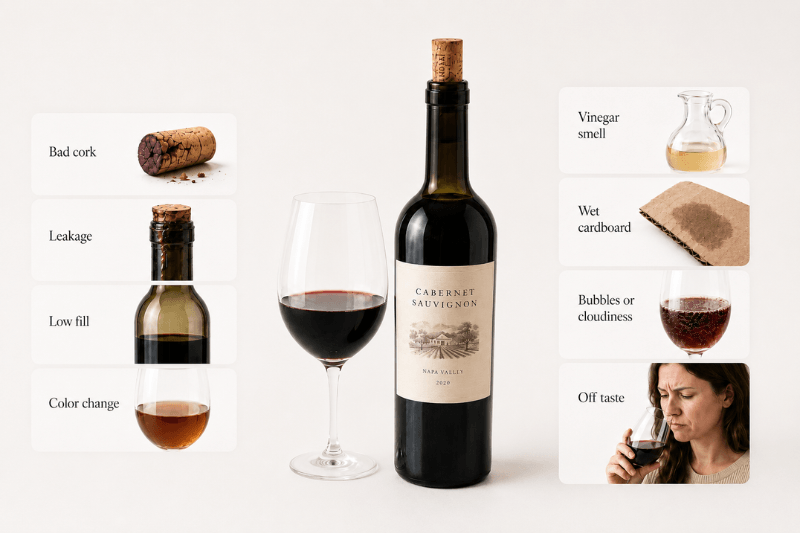
The best way to tell if unopened wine has gone bad is to open it and inspect the bottle, cork, color, aroma, texture, and taste. You cannot always know from the outside.
Before tasting, check these signs:
1. Cork condition
A cork that is pushed up, cracked, shriveled, soaked through, or crumbly may indicate poor storage or oxygen exposure.
2. Leakage
Sticky wine around the capsule, label, or cork can suggest heat damage or pressure changes.
3. Low fill level
A low fill level in an older bottle can be normal to a point, but a noticeably low level in a young bottle may suggest leakage or evaporation.
4. Color change
Red wine that has turned dull brown may be oxidized. White wine that has become deep amber or brown may be damaged. Some color change is normal with age, so color should be judged with aroma and taste.
5. Vinegar smell
A sharp vinegar aroma suggests volatile acidity or spoilage. The wine may taste sour and unpleasant.
6. Nail polish remover smell
A strong solvent-like aroma can come from ethyl acetate. A tiny lift may appear in some wines, but a harsh chemical smell is a bad sign.
7. Wet cardboard smell
This often points to cork taint. The wine may taste muted and musty.
8. Cooked fruit smell
Stewed, jammy, prune-like, or baked fruit aromas in a wine that should be fresh may suggest heat damage or excessive age.
9. Unexpected bubbles in still wine
Tiny bubbles in a still wine can sometimes be harmless dissolved carbon dioxide, especially in young white wines. But active fizz, pressure, or sourness can suggest refermentation or microbial instability.
10. Cloudiness
Some natural, unfiltered, or aged wines may have haze or sediment. But unexpected cloudiness in a wine that should be clear can be a warning sign.
11. Bad taste
If the wine tastes sour, flat, bitter, metallic, cooked, moldy, or unpleasant, do not force it. Wine should bring pleasure, not uncertainty.
Is Old Unopened Wine Safe to Drink?
Old unopened wine is usually safe to taste if the bottle is sealed, the wine looks normal, and there are no signs of severe leakage, mold inside the bottle, strange pressure, or contamination. Bad wine usually smells or tastes bad before it becomes a serious concern.
That said, you should not drink a wine that looks obviously compromised. Discard the bottle if the seal has failed badly, the cork is moldy inside, the wine smells rotten, the bottle has unusual pressure, or the liquid appears contaminated.
If the wine simply tastes dull or faded, it is likely past its prime rather than unsafe. If it smells strongly of vinegar, solvent, mold, or decay, pour it out.
How to Store Unopened Wine So It Lasts Longer
Unopened wine lasts longest when stored cool, dark, still, and sealed. The ideal long-term storage temperature is around 55°F, but consistency matters as much as the exact number.
A practical home storage setup should protect wine from:
- Heat
- Sunlight
- Bright artificial light
- Temperature swings
- Vibration
- Dry air
- Strong odors
- Poor bottle position for cork-sealed wines
The best places for unopened wine are a wine fridge, cellar, cool closet, interior cabinet, basement, or temperature-stable pantry. The worst places are sunny shelves, kitchen counters, garages, laundry rooms, windowsills, warm storage rooms, and the top of a refrigerator.
Ideal Wine Storage Conditions
For long-term storage, aim for:
- Temperature around 55°F
- Acceptable range of about 45°F to 65°F
- Minimal temperature fluctuation
- Darkness
- Moderate humidity
- Low vibration
- Horizontal storage for natural cork bottles
- Clean, odor-free surroundings
Wine does not need perfect cellar conditions for short-term storage. If you plan to drink a bottle within a few weeks or months, a cool dark cabinet is often enough. If you plan to keep bottles for years, conditions matter much more.
Should Unopened Wine Be Stored Upright or Sideways?
Natural cork bottles should be stored sideways for long-term storage because contact with wine helps keep the cork from drying out. A dry cork can shrink, crack, or lose elasticity, allowing oxygen to enter the bottle.
Screw-cap wines can be stored upright or sideways because they do not rely on a moist cork seal. Synthetic corks are also less dependent on moisture, although sideways storage is still common for organization.
For short-term storage, bottle position is less critical. For long-term storage, closure type matters.
Sparkling wine is often stored upright for short periods because internal pressure helps keep the seal tight, but cool and dark storage is still the priority. For long-term aging of traditional-method sparkling wine, many collectors still prefer stable cellar conditions over casual upright room-temperature storage.
Can Unopened Wine Go Bad in the Fridge?
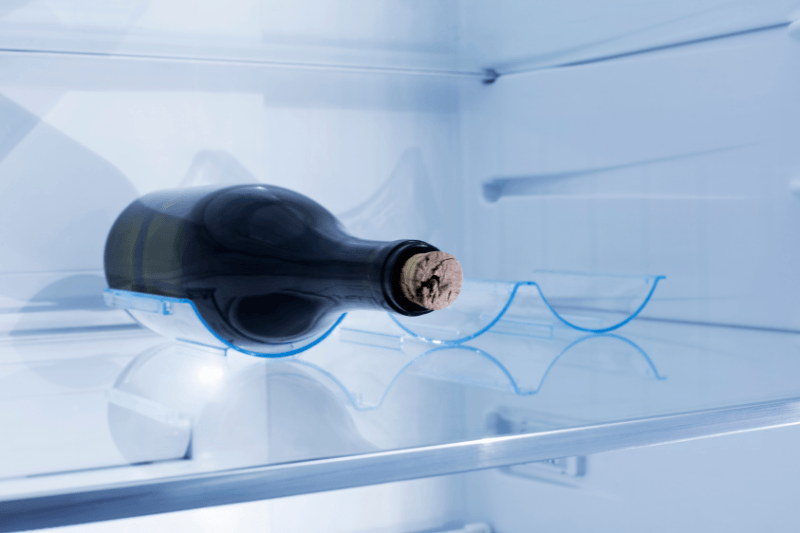
Unopened wine can go bad in the fridge if it is stored there for too long, especially if it has a natural cork. A regular refrigerator is useful for chilling wine before serving, but it is not ideal for long-term aging.
A household fridge is usually colder and drier than proper wine storage. Over time, dry air can affect corks, and vibration from the appliance may not be ideal for bottles intended to age. The fridge is fine for keeping white wine, rosé, or sparkling wine ready for near-term drinking. It is not the best place to store collectible bottles for years.
If you only need to hold a bottle for a few days, weeks, or even a short stretch before serving, the fridge is fine. If you want to age wine, use a wine fridge or a cool, dark, stable storage area.
Can Unopened Wine Go Bad in a Hot Room or Car?
Unopened wine can go bad quickly in a hot room or car. Heat is one of the fastest ways to damage wine.
A hot car is especially risky because temperatures can rise far above the outdoor temperature. Wine left in a car, garage, or sunny delivery area may develop cooked flavors, leakage, or a pushed cork. Even if the bottle looks normal, the wine may taste flat or stewed.
If a bottle has been exposed to high heat, open it sooner rather than saving it. Heat-damaged wine rarely improves with more time.
How Vintage Year Affects Unopened Wine
The vintage year is the year the grapes were harvested, not necessarily the year the wine was bottled or sold. Vintage matters because growing conditions affect acidity, ripeness, tannin, concentration, and balance.
An older vintage is not automatically better. A simple white wine from an older vintage may be tired. A structured red from a strong producer and good storage conditions may be entering a beautiful stage.
Non-vintage wines, especially many sparkling wines, are blended across years for consistency. These wines may not show a harvest year on the label because the producer is aiming for a house style rather than a vintage expression.
Vintage can help estimate a bottle’s drinking window, but storage history is often more important. A great vintage stored badly can disappoint. A modest bottle stored well can still be enjoyable.
When Wine Improves vs. When It Declines
Wine improves when time adds complexity, integration, texture, and aromatic depth without stripping away balance. Wine declines when time removes fruit, freshness, aroma, structure, or pleasure.
Aging is beneficial when the wine has enough structure to support change. Decline happens when the wine was not built for long storage or when storage conditions damaged it.
Wine Is More Likely to Improve If It Has:
- High acidity
- Firm but balanced tannins
- Concentrated fruit
- Quality winemaking
- Good vintage conditions
- Residual sugar or fortified structure
- A track record for aging
- Proper storage
- A reliable closure
- Balance from the beginning
Wine Is More Likely to Decline If It Is:
- Inexpensive and mass-market
- Fresh, fruity, and simple
- Rosé made for early drinking
- Prosecco or simple sparkling wine
- Low in acidity
- Low in structure
- Stored warm
- Exposed to light
- Kept upright with natural cork for years
- Already past its expected drinking window
The best wine is not the oldest wine. It is the bottle opened at the point where its fruit, structure, aroma, and texture are in harmony.
When to Open a Bottle Instead of Saving It
Open a bottle instead of saving it when it is freshness-driven, inexpensive, aromatic, simple, or already beyond its likely drinking window. Most wine is made to be enjoyed relatively soon after release.
Drink these sooner:
- Rosé
- Prosecco
- Moscato
- Pinot Grigio
- Sauvignon Blanc
- Vinho Verde
- Beaujolais Nouveau
- Simple sparkling wine
- Entry-level red blends
- Inexpensive white and red wines
- Bottles stored in warm rooms
- Bottles with uncertain storage history
Consider aging these only if quality and storage support it:
- Cabernet Sauvignon
- Bordeaux
- Barolo
- Brunello
- Rioja Reserva or Gran Reserva
- Vintage Champagne
- High-quality Chardonnay
- Riesling
- Chenin Blanc
- Sauternes
- Vintage Port
- Madeira
- Serious Syrah or Nebbiolo
If you are unsure, buy two bottles when possible. Open one young and save the other. Your own taste is part of the decision because not everyone prefers aged-wine flavors.
What to Do With Wine That Is Past Its Prime
Wine that is past its prime may still be useful if it is dull rather than spoiled. A flat but clean red wine can sometimes work in cooking. A tired white wine may work in a sauce if it is not sour, corked, or oxidized beyond repair.
Do not cook with wine that smells like vinegar, wet cardboard, mold, rotten eggs, or nail polish remover. Cooking concentrates flavors, including bad ones. If the wine tastes unpleasant in the glass, it may make food taste unpleasant too.
Sangria, mulled wine, or cooking can help use a bottle that is merely boring. They cannot fix a truly spoiled wine.
Quick Bottle Assessment Checklist
Use this checklist when deciding whether to open, save, or discard an unopened bottle.
1. What type of wine is it?
Rosé, Prosecco, and crisp white wines usually have shorter windows. Structured reds, dessert wines, and fortified wines usually last longer.
2. What is the vintage?
A recent vintage may still be fresh. An older vintage needs more context.
3. Was it expensive or age-worthy?
Price does not guarantee longevity, but very inexpensive wine is rarely designed for long aging.
4. What is the closure?
Natural cork requires better humidity and position. Screw caps are less sensitive to drying.
5. How was it stored?
Cool, dark, and stable storage protects wine. Heat, light, and temperature swings shorten its life.
6. Is the cork pushed out?
A raised cork can suggest heat or pressure damage.
7. Is there leakage?
Sticky residue or seepage is a warning sign.
8. Is the fill level low?
A low fill level can suggest evaporation, leakage, or cork failure.
9. What does it smell like?
Fresh fruit, spice, flowers, earth, toast, or nuts may be normal. Vinegar, wet cardboard, mold, cooked fruit, or solvent aromas are warning signs.
10. What does it taste like?
If it tastes balanced, it is drinkable. If it tastes sour, flat, bitter, cooked, or unpleasant, it is past its useful life.
Frequently Asked Questions
Can you drink 10-year-old unopened wine?
Yes, you can drink 10-year-old unopened wine if the bottle was sealed properly and stored in a cool, dark, stable place. Whether it still tastes good depends on the wine type. A structured red, vintage Champagne, dessert wine, or fortified wine may still be enjoyable, while most rosé, simple white wine, Prosecco, and inexpensive everyday wine will likely be past its best.
How do you know if unopened wine went bad?
You usually know unopened wine went bad after opening it and checking the color, smell, and taste. Warning signs include a pushed cork, leakage, a very low fill level, brown or unusually dark color, vinegar smell, wet cardboard aroma, nail polish remover notes, cooked fruit smell, unexpected bubbles in still wine, or a flat, sour, bitter, or unpleasant taste.
How long can you keep a bottle of wine unopened?
Most unopened wine can be kept for one to five years, depending on the style and storage. Light white wines and rosés are usually best within one to three years, everyday red wines often last two to five years, and structured reds, vintage Champagne, dessert wines, and fortified wines can last much longer when stored properly.
Does unopened wine expire?
Unopened wine does not expire in the same way fresh food does. It has a drinking window, which means a period when it is expected to taste its best. After that window, the wine may still be safe to drink, but it can lose fruit, freshness, aroma, balance, and texture.
Is old unopened wine safe to drink?
Old unopened wine is usually safe to taste if the seal is intact and there are no signs of contamination, severe leakage, or unusual pressure. Most bad wine smells or tastes unpleasant before it becomes a real safety concern. If the wine smells rotten, moldy, vinegary, or strongly chemical, it is better to discard it.
Does red wine last longer unopened than white wine?
Red wine often lasts longer unopened than white wine because many red wines contain tannins and deeper phenolic structure. However, quality and style matter more than color alone. A simple red may fade quickly, while a high-acid white wine such as Riesling or quality Chardonnay can age for many years.
Can unopened wine go bad in the fridge?
Yes, unopened wine can decline in the fridge if stored there for a very long time. A regular refrigerator is fine for short-term chilling, but it is usually too cold, dry, and vibration-prone for long-term storage, especially for cork-sealed bottles. A wine fridge or cool, dark closet is better for longer storage.
What does bad wine smell like?
Bad wine may smell like vinegar, wet cardboard, damp basement, nail polish remover, rotten eggs, cooked fruit, mold, or stale bruised apple. Some aged wines naturally develop earthy, nutty, leathery, or dried fruit aromas, but harsh, sour, musty, or chemical smells usually mean the wine is faulty or past its prime.
Can screw-cap wine go bad unopened?
Yes, screw-cap wine can still go bad unopened. A screw cap prevents cork drying and reduces some cork-related problems, but the wine can still decline from heat, light, age, poor storage, or oxidation through a compromised seal. Screw-cap wines are often made for early drinking, so they should not automatically be cellared for years.
Should unopened wine be stored standing up or lying down?
Cork-sealed wine should be stored lying down for long-term storage because contact with the wine helps keep the cork moist and sealed. Screw-cap bottles can be stored standing up or lying down. For short-term storage, bottle position is less important than keeping the wine cool, dark, and away from temperature swings.
The Practical Rule
Store unopened wine cool, dark, still, and properly sealed. Drink freshness-driven wines while they are young. Age only bottles with the structure, balance, quality, and storage conditions needed for slow development.
Wine can improve, but only when the bottle is built for time. Most wine is better enjoyed before it declines. The goal is not to keep wine as long as possible. The goal is to open it when it tastes its best.
If you are organizing bottles at home, saving wine for later, or preparing to open a special bottle, the right accessories can make storage and serving feel easier and more polished. At Wine-n-Gear, you can explore Wine & Champagne Tools, Glassware, Ice Buckets, Bags, Totes & Packaging, and other wine accessories designed to help you protect, present, and enjoy every bottle with more confidence.