What Are Wine Coolers? Everything You Need to Know Before Buying One
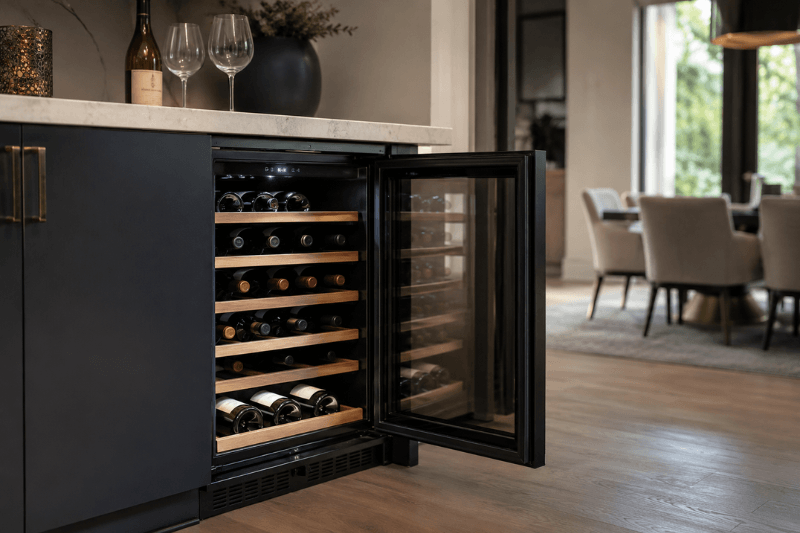
Wine coolers are specialized wine refrigerators that store bottles at stable, wine-safe temperatures while protecting them from heat, light, vibration, and poor storage conditions.
Also known as wine fridges or wine refrigerators, these appliances are designed to keep bottles in better condition than a standard kitchen refrigerator, pantry, countertop, or warm room. They help preserve flavor, aroma, freshness, cork condition, and serving quality by creating a controlled space made specifically for wine.
They are useful for casual drinkers, collectors, entertainers, and anyone who buys bottles before they plan to drink them. Before buying one, it helps to understand how these appliances work, which types are available, what temperature settings matter, and what features are worth paying for.
Key Takeaways
- Dedicated wine storage appliances keep unopened bottles at stable, wine-friendly temperatures.
- They are warmer, steadier, and better suited to bottle storage than regular refrigerators.
- Single-zone models are best for simple storage, while dual-zone models are better for mixed wine styles.
- Advertised bottle capacity is usually based on standard Bordeaux bottles, so wider bottles may reduce usable space.
- The right model depends on your space, bottle count, installation type, cooling system, and drinking habits.
What Is a Wine Cooler?
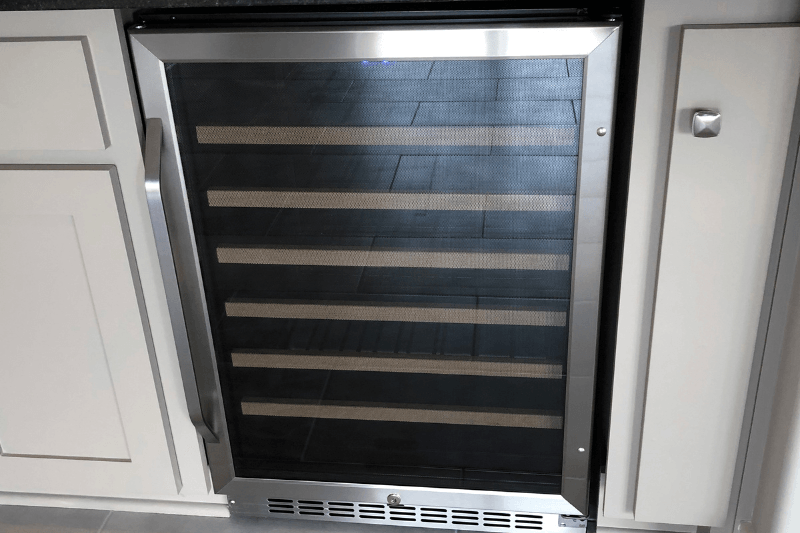
A wine cooler is a temperature-controlled appliance made specifically for wine storage. It keeps bottles cool, organized, and protected from heat, sunlight, vibration, and temperature swings.
A Dedicated Appliance for Wine Storage
The main purpose of a wine cooler is not just to make wine cold. It is to keep wine stable. Wine changes over time, even when sealed, so poor storage can make it taste flat, dull, cooked, or unbalanced.
A wine cooler creates a more consistent environment than a pantry, countertop, garage, or standard refrigerator. This makes it useful for both everyday bottles and wines you plan to keep longer.
Wine Cooler, Wine Fridge, and Wine Refrigerator
In most home settings, “wine cooler,” “wine fridge,” and “wine refrigerator” mean the same thing. They all refer to an appliance designed to store wine bottles at controlled temperatures.
A wine cooler may also be described as a wine chiller, wine storage cabinet, or wine cellar appliance. A wine cellar, however, usually refers to a larger storage space or more advanced climate-controlled setup.
Why Wine Needs Proper Storage
Wine is sensitive to its environment. Heat, light, dryness, vibration, and poor airflow can all affect how a bottle tastes when opened.
Temperature Stability Protects Flavor
Temperature is the most important storage factor. Heat can make wine age too quickly and may cause flavors to taste dull, cooked, or flat. Repeated temperature swings can also stress the cork and increase the risk of oxidation.
A wine cooler helps maintain a steadier temperature, which is better for both short-term storage and longer-term preservation.
Light Can Damage Aromas
Direct sunlight and UV exposure can damage delicate wine aromas, especially in white, rosé, and sparkling wines. This is why many wine coolers have tinted or UV-resistant glass doors.
If the cooler will sit in a bright kitchen, dining room, or bar area, UV protection is worth considering.
Humidity Helps Protect Corks
Cork-sealed bottles need enough moisture to keep the cork from drying out. If a cork becomes too dry, it may shrink and allow too much oxygen into the bottle.
Not every wine cooler actively controls humidity, but a dedicated wine cooler is usually better suited to bottle storage than a dry household refrigerator.
Vibration Can Affect Stored Wine
Vibration is less important for bottles you plan to drink right away, but it matters more for wines stored over time. Constant movement can disturb sediment in older wines and may affect how wine develops in the bottle.
Wine coolers are designed to hold bottles more securely and are usually opened less often than regular refrigerators.
Wine Cooler vs Regular Refrigerator
A wine cooler and a regular refrigerator both cool items, but they are designed for different purposes. A refrigerator protects food. A wine cooler protects wine.
| Feature | Wine Cooler | Regular Refrigerator |
| Main purpose | Wine storage and serving | Food safety |
| Temperature | Warmer, wine-friendly range | Colder food-safe range |
| Bottle storage | Designed for wine bottles | Not designed for wine organization |
| Humidity | Better suited to cork storage | Usually drier |
| Odor exposure | Dedicated to wine | Food odors may affect storage |
| Best use | Unopened wine storage | Food, opened wine, quick chilling |
When to Use a Regular Refrigerator
A regular refrigerator is fine for quickly chilling a bottle before dinner or storing opened wine for a short time. It is not ideal for unopened bottles that will sit for weeks or months because it is usually too cold, dry, and active.
When to Use a Wine Cooler
A wine cooler is better when you want to store unopened wine properly, keep bottles organized, or have wine ready to serve at a more suitable temperature. It is especially useful if you keep more than a few bottles at home.
Main Types of Wine Coolers
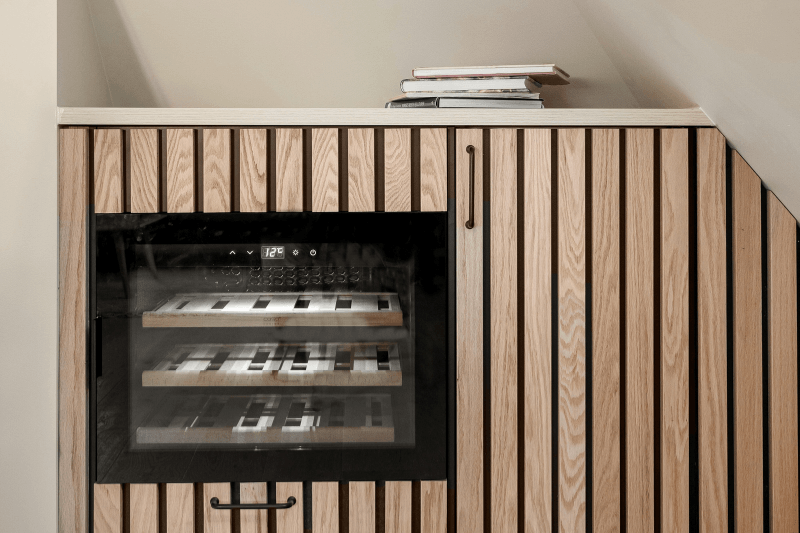
Wine coolers come in several styles. The best one depends on your space, bottle count, and whether the unit will be built into cabinetry.
Freestanding Wine Coolers
A freestanding wine cooler is designed for open spaces such as dining rooms, pantries, apartments, home bars, or living areas. It needs ventilation clearance around the unit.
Do not place a freestanding wine cooler tightly under a counter unless the manufacturer says it is safe. Poor ventilation can make the appliance work harder and shorten its lifespan.
Built-In Wine Coolers
A built-in wine cooler is designed for cabinetry, kitchen islands, wet bars, and under-counter installation. These models usually vent from the front, which allows them to sit safely inside enclosed spaces.
Built-in wine coolers are often more expensive, but they create a cleaner, more permanent look.
Countertop Wine Coolers
A countertop wine cooler is a compact option for small kitchens, apartments, offices, or casual drinkers. It is useful for keeping a few bottles ready but has limited capacity.
Full-Size Wine Refrigerators
A full-size wine refrigerator is best for larger collections, frequent entertaining, or case buying. These units provide more storage flexibility and are better suited to people who keep a wider variety of wines.
Wine Cabinets and Outdoor Wine Coolers
Wine cabinets are usually more advanced and may be better for long-term storage or premium collections. Outdoor wine coolers are designed for patios and outdoor kitchens, but they must be specifically rated for outdoor use.
Compressor vs Thermoelectric Wine Coolers
Most wine coolers use either compressor cooling or thermoelectric cooling. Both can work, but they suit different situations.
Compressor Wine Coolers
A compressor wine cooler is more powerful and better for larger units, built-in models, and warmer rooms. It is the most common option and usually the safest choice for long-term performance.
The main drawback is noise. Some compressor models produce a low hum, although many modern units are quiet enough for normal home use.
Thermoelectric Wine Coolers
A thermoelectric wine cooler is quiet, compact, and low vibration. It works best for small collections in stable indoor spaces.
The drawback is cooling strength. Thermoelectric models may struggle in hot rooms or areas where the surrounding temperature changes often.
Which Cooling System Is Better?
For most homes, a compressor wine cooler is the better choice because it cools more powerfully and handles larger bottle counts. A thermoelectric wine cooler is better for small collections where quiet operation matters most.
Single-Zone vs Dual-Zone Wine Coolers
A temperature zone is a section of the wine cooler with its own temperature setting. Choosing the right zone setup depends on whether you want basic storage or serving convenience.
Single-Zone Wine Coolers
A single-zone wine cooler has one temperature for the entire unit. It is best for general wine storage, smaller collections, or people who mostly drink one style of wine.
If your main goal is keeping wine stable, a single-zone model is often enough.
Dual-Zone Wine Coolers
A dual-zone wine cooler has two separate temperature areas. It is useful if you regularly drink reds, whites, rosés, and sparkling wines and want them closer to serving temperature.
For example, one zone can keep white and sparkling wines cooler while the other stores red wine slightly warmer.
Multi-Zone Wine Coolers
Multi-zone wine coolers are less common in home use but can be helpful for serious collectors, restaurants, bars, or tasting rooms. They allow more precise separation by wine style.
Best Wine Cooler Temperature Settings
Wine storage temperature and serving temperature are not the same. Storage temperature protects the wine over time. Serving temperature helps the wine taste better in the glass.
| Wine Type | Suggested Storage | Suggested Serving |
| Most unopened wines | Around 55°F | Depends on style |
| Sparkling wine and Champagne | 50°F to 55°F | 40°F to 50°F |
| Crisp white wine | 50°F to 55°F | 45°F to 50°F |
| Full-bodied white wine | 50°F to 55°F | 50°F to 55°F |
| Rosé | 50°F to 55°F | 45°F to 50°F |
| Light red wine | Around 55°F | 55°F to 60°F |
| Full-bodied red wine | Around 55°F | 60°F to 65°F |
Best Setting for General Storage
For simple storage, setting the cooler around 55°F works well for most unopened wines. Stability matters more than hitting one exact number.
Best Setting for Serving
For serving, sparkling wines, whites, and rosés are usually better cooler. Reds are usually better slightly warmer, but not room temperature if the room is warm.
A dual-zone wine cooler can help if you want bottles ready to pour without last-minute chilling.
Wine Cooler Capacity: What Bottle Counts Really Mean
Wine cooler capacity can be misleading because many advertised bottle counts are based on standard 750 ml Bordeaux bottles. These bottles are slimmer than many real-world bottles.
Why Bottle Shape Matters
Champagne, sparkling wine, Burgundy, Rhône, Pinot Noir, Chardonnay, magnums, and premium heavy-glass bottles often take up more space. A cooler advertised for 30 bottles may hold fewer if your collection includes many wider bottles.
Why Adjustable Shelves Help
Adjustable shelves make a wine cooler more flexible. They help fit larger bottle shapes and reduce the frustration of forcing bottles into spaces that are too tight.
If you buy a mix of wine styles, shelf flexibility is more important than the advertised bottle count.
What Size Wine Cooler Do You Need?
The right wine cooler size depends on how many bottles you keep now and how quickly your collection may grow.
| Capacity | Best For |
| 6 to 12 bottles | Casual drinkers, apartments, small kitchens |
| 18 to 30 bottles | Beginners who want a mixed selection |
| 40 to 60 bottles | Regular entertainers and wine-loving households |
| 80 to 150 bottles | Collectors and case buyers |
| 150+ bottles | Serious collectors, restaurants, bars, tasting rooms |
Buy More Space Than You Need
A good rule is to buy more capacity than your current bottle count. Extra space helps with airflow, organization, wider bottles, and future purchases.
Think About How You Buy Wine
If you buy one or two bottles at a time, a smaller unit may be enough. If you buy by the case, entertain often, or collect special bottles, choose a larger model.
How to Choose the Right Wine Cooler
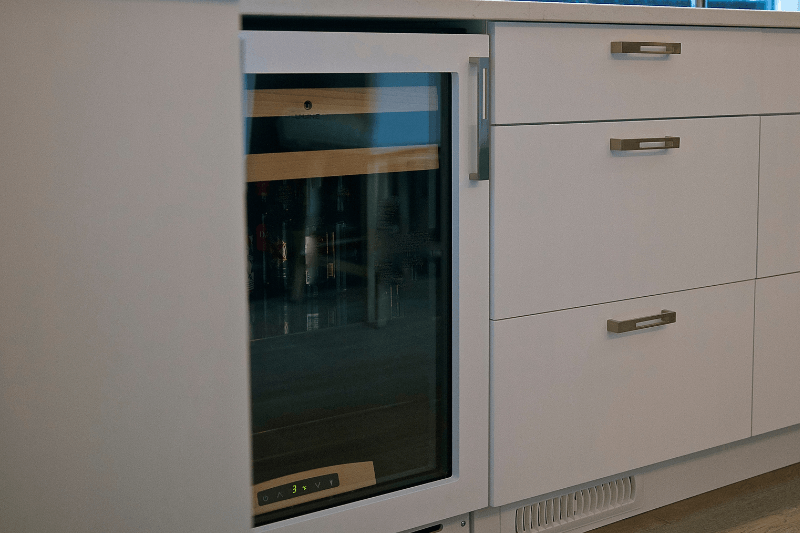
The best wine cooler is the one that fits your space, your bottles, and the way you drink wine.
Start With Installation Type
If the cooler will sit in an open space, a freestanding model may work. If it will go under a counter, inside cabinetry, or in a kitchen island, choose a built-in model with proper ventilation.
Check Real Bottle Fit
Do not rely only on the advertised bottle count. Think about the bottle shapes you actually buy. If you drink Champagne, Burgundy, sparkling wine, or larger-format bottles, choose adjustable shelves and extra capacity.
Choose the Right Temperature Zones
Choose single-zone for simple storage. Choose dual-zone if you regularly drink different wine styles and want them ready at different serving temperatures.
Consider Noise Level
Noise matters if the cooler will sit in a dining room, living room, office, or open kitchen. Compressor models may hum, while thermoelectric models are usually quieter but less powerful.
Look for UV Protection
UV-resistant glass is useful if the wine cooler will be placed in a bright room. Light protection helps preserve aroma and freshness, especially for delicate wines.
Review Energy Use and Warranty
Wine coolers run continuously, so energy use matters. Check the model’s energy information, warranty, brand support, and long-term reliability before buying.
Where Should You Put a Wine Cooler?
A wine cooler should be placed in a stable, well-ventilated area away from heat, sunlight, and vibration.
Good Places for a Wine Cooler
Good locations include a dining room, pantry, butler’s pantry, home bar, kitchen island, wet bar, basement, or interior hallway. These areas are usually more stable and easier to control.
Places to Avoid
Avoid placing a wine cooler near ovens, dishwashers, heating vents, direct sunlight, laundry machines, or garages unless the model is garage-rated. Outdoor areas should only use outdoor-rated wine coolers.
Placement affects both wine quality and appliance performance. A cooler placed near heat has to work harder and may struggle to maintain a stable temperature.
What Wines Can You Store in a Wine Cooler?
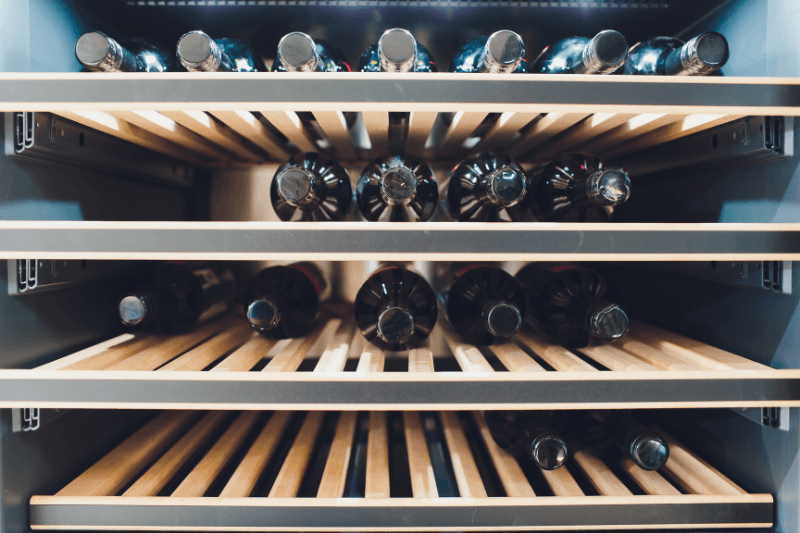
A wine cooler can store almost any unopened wine, including red wine, white wine, rosé, sparkling wine, Champagne, dessert wine, fortified wine, special occasion bottles, everyday bottles, and wines meant for aging.
Best Wines for Wine Cooler Storage
Wine coolers are especially useful for bottles you plan to keep for more than a few days. They are also helpful for wines you want ready for dinner, entertaining, holidays, or gifting.
Can You Store Opened Wine?
Opened wine can go in a wine cooler for short-term storage if it is sealed properly. Some opened wines, especially white, rosé, and sparkling wines, may keep better in a regular refrigerator because it is colder.
What Should Not Go in a Wine Cooler?
A wine cooler should not be used like a regular refrigerator. It is made for wine storage, not general household storage.
Avoid putting these items in a wine cooler:
- Strong-smelling foods, such as onions, cheese, garlic, or leftovers
- Open food containers
- Cleaning products or household chemicals
- Medicine or supplements that need specific storage conditions
- Cigars, unless the unit has been properly converted into a humidor
- Beer cans, soda cans, or mixed drinks if they block airflow or do not fit the shelves properly
- Oversized bottles that force shelves out of position
- Too many bottles packed tightly together
- Anything that blocks the internal vents
- Items that can leak, spill, or affect the wine storage environment
Beer and cans may fit in some wine coolers, but a beverage cooler is usually the better choice for mixed drinks. For best performance, keep the shelves organized and leave enough space for proper airflow.
Are Wine Coolers Worth It?
Wine coolers are worth it if you keep multiple bottles at home, buy wine before drinking it, entertain often, live in a warm climate, or want wine stored and served at better temperatures.
When a Wine Cooler Makes Sense
A wine cooler makes sense if wine sits in your home for weeks or months. It helps protect bottles from heat, light, vibration, dryness, and crowded refrigerator conditions.
When You May Not Need One
A wine cooler may not be necessary if you buy one bottle and drink it the same day. For occasional short-term chilling, a regular refrigerator may be enough.
For many households, however, a wine cooler is one of the simplest upgrades for better wine storage and easier serving.
Common Wine Cooler Mistakes to Avoid
The biggest mistake is focusing only on bottle count. A cooler should fit your real bottles, your space, your temperature needs, and your daily use.
Buying Too Small
Wine collections often grow. A smaller unit may feel useful at first but become limiting once you start keeping reds, whites, sparkling wines, and special bottles at the same time.
Ignoring Bottle Shape
Champagne, Burgundy, sparkling wine, and heavy-glass bottles can reduce usable capacity. Always think about real bottle fit.
Installing the Wrong Type
A freestanding unit should not be installed under a counter unless it is approved for that use. Built-in spaces need built-in wine coolers.
Setting Wine Too Cold
Wine does not need to be icy for storage. Overchilling can mute flavor and aroma, especially in red wines and fuller whites.
Forgetting About Noise
Some wine coolers are louder than expected. Check noise level if the unit will sit in a quiet room.
Wine Cooler Maintenance
Wine coolers are easy to maintain with basic care.
Keep the Unit Clean and Ventilated
Keep the vents clear, wipe spills quickly, clean shelves as needed, and avoid overpacking the unit. Good airflow helps the cooler maintain a stable temperature.
Check Seals and Temperature
Check the door seal occasionally to make sure cool air is not escaping. For valuable bottles, consider placing a small thermometer inside the cooler to confirm the internal temperature.
Follow Manufacturer Instructions
If the unit has a filter or condenser area, follow the manufacturer’s cleaning instructions. Proper care can help extend the lifespan of the appliance.
Wine Cooler Buying Checklist
Before buying a wine cooler, check:
- Bottle capacity
- Real bottle fit
- Installation type
- Compressor or thermoelectric cooling
- Single-zone or dual-zone design
- Temperature range
- Shelf adjustability
- UV-resistant glass
- Ventilation requirements
- Noise level
- Energy use
- Door swing
- Interior dimensions
- Warranty
- Brand support
- Long-term reliability
Frequently Asked Questions
What should you look for when buying a wine cooler?
When buying a wine cooler, look at capacity, installation type, temperature range, cooling system, temperature zones, shelf design, ventilation, noise level, UV protection, and warranty. The best wine cooler should fit your space, hold the bottle shapes you actually buy, and maintain a stable temperature without overheating or running too loudly.
What is the best wine cooler to buy?
The best wine cooler to buy depends on how you store and drink wine. A single-zone wine cooler is best for simple storage, a dual-zone wine cooler is best for mixed reds and whites, a built-in wine cooler is best for under-counter spaces, and a larger compressor wine refrigerator is best for collectors or frequent entertainers.
What is the lifespan of a wine cooler?
A wine cooler usually lasts around 5 to 10 years, depending on the brand, cooling system, placement, maintenance, and how hard the unit has to work. Proper ventilation, stable room temperature, clean vents, and avoiding overloading can help extend its lifespan.
Which is better, thermoelectric or compressor wine cooler?
A compressor wine cooler is better for most homes because it cools more powerfully, handles larger capacities, and performs better in warmer rooms. A thermoelectric wine cooler is better for small collections in quiet, temperature-stable spaces because it has low vibration and quiet operation.
Is a wine cooler the same as a wine fridge?
Yes, a wine cooler and a wine fridge usually refer to the same appliance. Both are designed to store wine bottles at stable, wine-friendly temperatures. The terms wine refrigerator and wine chiller are also commonly used.
What temperature should a wine cooler be set at?
For general wine storage, a wine cooler is commonly set around 55°F. Whites, rosés, and sparkling wines are usually served cooler, while red wines are often served slightly warmer. If the goal is storage rather than serving, temperature stability matters more than one exact setting.
Is a dual-zone wine cooler worth it?
A dual-zone wine cooler is worth it if you regularly drink different wine styles and want them ready at different serving temperatures. It is useful for keeping whites, rosés, or sparkling wines cooler while storing reds in a slightly warmer zone. For basic storage, a single-zone unit is often enough.
Can a wine cooler be used as a regular refrigerator?
A wine cooler should not be used as a regular refrigerator because it is usually warmer than food-safe refrigerator temperatures. It is designed for unopened wine bottles, not perishable food, leftovers, medicine, or general household refrigeration.
Can you put Champagne in a wine cooler?
Yes, Champagne can be stored in a wine cooler. However, Champagne bottles are wider and heavier than standard Bordeaux bottles, so check shelf spacing and adjustability before buying. Advertised bottle capacity may drop if you store many sparkling wine bottles.
Do wine coolers use a lot of electricity?
Wine cooler energy use depends on size, insulation, cooling system, door type, room temperature, and ventilation. Small wine coolers usually use less electricity than large full-size models, while poorly ventilated units or coolers placed near heat sources may use more energy because they work harder.
Choosing the Right Wine Cooler for Your Home
A wine cooler is a practical appliance for keeping bottles stable, organized, and ready to enjoy. It gives wine a better storage environment than a regular refrigerator and helps protect flavor, freshness, cork condition, and serving temperature.
Before buying one, think about how many bottles you keep, the types of wine you drink, where the cooler will go, and whether you need a single-zone or dual-zone model. The best wine cooler is the one that fits your space, handles your bottle shapes, maintains a steady temperature, and makes every bottle easier to enjoy.
Once your wine is stored at the right temperature, the next step is serving it properly. At Wine-n-Gear, you can find accessories that complement a well-stocked cooler, including wine and Champagne tools, barware, glassware, ice buckets, totes and packaging, and wine bags for home entertaining, gifting, events, or tasting experiences.