What Is Dry White Wine? A Simple Guide to Taste, Types & Food Pairing
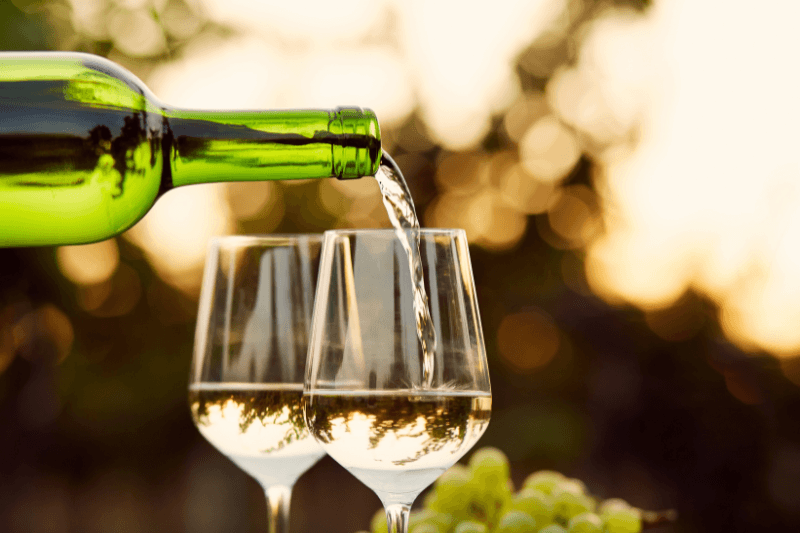
Dry white wine is a category of white wine that contains little to no residual sugar, meaning nearly all the natural grape sugars have been converted into alcohol during fermentation. This process results in a wine that tastes crisp, clean, and refreshing rather than sweet.
Dry white wine is defined by its lack of sweetness, not by a lack of flavor. In fact, many of the world’s most expressive and food-friendly wines fall into this category. Without residual sugar masking other elements, characteristics like acidity, minerality, and aromatic complexity are more pronounced. This allows each bottle to showcase the grape variety, terroir, and winemaking style with greater precision.
From citrusy and herbaceous to floral and mineral-driven, dry white wines offer a wide spectrum of flavors and textures. Whether light-bodied and zesty or rich and structured, they are known for their balance and versatility.
Key Takeaways
- Dry white wine has minimal residual sugar, typically under 4 grams per liter
- The dryness comes from full fermentation of grape sugars into alcohol
- High acidity gives dry white wines their crisp and refreshing profile
- Popular types include Sauvignon Blanc, Pinot Grigio, and Chardonnay
- “Dry” does not mean bland. These wines can be intensely flavorful, layered, and complex
What Makes a White Wine “Dry”
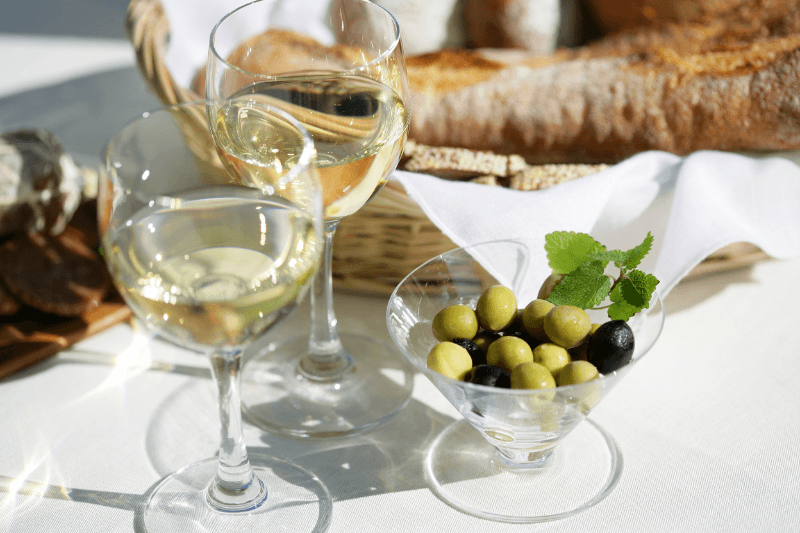
Dryness in wine is a direct result of fermentation. During this natural process, yeast consumes the sugars found in grape juice and converts them into alcohol and carbon dioxide. The longer fermentation continues, the more sugar is converted. When fermentation is allowed to run to completion, only trace amounts of sugar remain, resulting in a dry wine.
In technical terms, dry wines typically contain:
- 0 to 4 grams of residual sugar per liter
This small amount of sugar is usually imperceptible to the palate, especially when balanced by acidity. That is why dry wines can still taste vibrant and expressive rather than sharp or harsh.
Winemakers have precise control over this process. They can stop fermentation early to retain sweetness or allow it to fully complete for a drier style. Factors such as yeast strain, fermentation temperature, and grape ripeness all play a role in the final sugar level and overall profile of the wine.
It is also important to note that dryness is not solely about sugar levels. The perception of dryness can be influenced by acidity, alcohol, and texture. For example, a wine with high acidity may taste even drier, while a fuller-bodied wine with lower acidity may feel softer on the palate despite having similar residual sugar levels.
Dry vs Sweet White Wine: What Is the Difference?
The primary difference between dry and sweet white wine comes down to residual sugar, but taste perception is influenced by more than just sugar levels.
During fermentation, yeast converts grape sugars into alcohol. If fermentation stops early, some sugar remains, resulting in a sweeter wine. If it continues to completion, the wine becomes dry.
Residual Sugar Levels by Style
| Style | Residual Sugar | Taste Profile |
| Bone Dry | 0 to 1 g/L | Crisp, sharp, very clean |
| Dry | 1 to 4 g/L | Clean, refreshing |
| Off-Dry | 5 to 12 g/L | Slightly sweet |
| Sweet | 20+ g/L | Noticeably sweet |
A key insight many people overlook is that acidity can mask sweetness. A wine with a small amount of residual sugar can still taste dry if it has high acidity. This is why some Rieslings or Chenin Blancs may technically contain sugar but still feel crisp and balanced on the palate.
Other factors like alcohol, tannin (in rare cases for whites), and temperature can also influence how sweetness is perceived.
Flavor Profile of Dry White Wines
Dry white wines are far from neutral. They are often vibrant, layered, and highly expressive, offering a wide range of sensory experiences depending on grape variety and origin.
Acidity
Acidity is the backbone of dry white wine. It provides brightness, structure, and that refreshing “lift” on the palate. High-acid wines feel zesty and mouthwatering, making them especially food-friendly.
Aromas and Flavors
Common flavor profiles include:
- Citrus: lemon, lime, grapefruit
- Green fruits: apple, pear, green melon
- Stone fruits (in fuller styles): peach, apricot
- Herbal: grass, thyme, bell pepper
- Floral: white flowers, honeysuckle
- Mineral: flint, chalk, saline
These flavors are not added. They develop naturally from the grape, soil, climate, and fermentation process.
Body and Texture
Body refers to how heavy or light the wine feels in the mouth:
- Light-bodied: Pinot Grigio, Muscadet
- Medium-bodied: Sauvignon Blanc, Grüner Veltliner
- Full-bodied: Chardonnay, some Chenin Blanc
Texture can vary significantly:
- Crisp and linear: high-acid, stainless steel–fermented wines
- Creamy and rounded: wines aged on lees or in oak
Winemaking techniques such as oak aging, malolactic fermentation, and lees contact can dramatically influence mouthfeel.
Most Popular Types of Dry White Wine
Sauvignon Blanc
Known for its high acidity and vibrant citrus character. Often shows herbal or grassy notes, especially in cooler climates.
Pinot Grigio / Pinot Gris
Typically light, crisp, and easy-drinking. Italian styles are lean and refreshing, while Alsace versions tend to be richer and more textured.
Chardonnay
One of the most versatile white wines.
- Unoaked: crisp, mineral-driven, citrus-forward
- Oaked: fuller-bodied with notes of butter, vanilla, and toast
Albariño
Bright, aromatic, and often slightly saline due to coastal influences. A classic pairing for seafood.
Grüner Veltliner
Austrian specialty known for green apple, citrus, and distinctive white pepper notes.
Dry Riesling
Highly aromatic with sharp acidity. Often misunderstood because many Rieslings are sweet, but dry versions are precise and mineral-driven.
Chenin Blanc
Extremely versatile. Dry styles are structured, high in acidity, and often show mineral and apple notes.
Muscadet
Very light, bone dry, and subtly saline. Traditionally paired with oysters and shellfish.
Verdicchio and Picpoul
Both offer crisp citrus flavors, bright acidity, and excellent food-pairing versatility, especially with Mediterranean dishes.
Dry Sherry
A fortified wine from Spain. Styles like Fino and Manzanilla are bone dry with nutty, savory, and saline characteristics.
How to Identify a Dry White Wine
Choosing a dry white wine becomes easier once you know what to look for.
Check the Label
Look for terms such as:
- Dry
- Brut (for sparkling wines)
- Crisp
- Sec (in French wines)
While not always standardized, these descriptors can give helpful clues.
Alcohol Level
Dry wines often have slightly higher alcohol levels because more sugar has been converted. Typical ranges include:
- 11.5% to 13.5% ABV
However, this is not a strict rule, as climate and grape variety also affect alcohol content.
Region Clues
Certain regions are known for producing consistently dry styles:
- Loire Valley for Sauvignon Blanc
- Burgundy for Chardonnay
- Northern Italy for Pinot Grigio
- Austria for Grüner Veltliner
- Galicia (Spain) for Albariño
Understanding regional tendencies can help you make better choices even without detailed labels.
Taste Indicators
When tasting a wine, dryness is easy to recognize:
- Clean finish: no lingering sweetness
- Not sticky or syrupy: feels light and refreshing
- Crisp sensation: often makes your mouth water
A dry white wine should feel refreshing and structured rather than coating or sugary.
Dry White Wine by Region

Dry white wines are produced around the world, but certain regions are especially known for specific grape varieties and styles. Climate, soil, and tradition all influence how these wines taste.
France
France is one of the benchmarks for dry white wine, with several iconic regions:
- Loire Valley: Known for crisp, high-acid wines like Sauvignon Blanc and Chenin Blanc. Styles range from zesty and citrus-driven to more mineral and structured.
- Burgundy: The global reference point for Chardonnay. Wines here can be lean and mineral or rich and layered depending on the sub-region.
- Alsace: Famous for aromatic varieties like Riesling, often produced in a dry style with high acidity and strong mineral character.
Italy
Italy offers a wide range of approachable and food-friendly dry white wines:
- Veneto and Friuli: Known for Pinot Grigio, typically light, clean, and refreshing with subtle fruit notes.
- Marche: Home to Verdicchio, which combines bright acidity with a slightly almond-like finish and good structure.
Spain and Portugal
Coastal influence plays a major role in these regions, contributing to freshness and salinity:
- Rías Baixas (Spain): Produces Albariño, known for citrus, stone fruit, and saline notes that pair well with seafood.
- Vinho Verde (Portugal): Light, crisp, and slightly effervescent, with vibrant acidity and low alcohol.
New World Regions
New World producers often emphasize fruit expression and consistency:
- New Zealand: Renowned for intensely aromatic Sauvignon Blanc with pronounced citrus, passion fruit, and herbal notes.
- California: Offers a wide spectrum of Chardonnay styles, from crisp and unoaked to rich and buttery.
- Oregon: Known for elegant Pinot Gris, often with more texture and complexity than lighter Italian versions.
Food Pairing with Dry White Wine
Dry white wines are among the most versatile options for food pairing due to their acidity and balanced flavor profiles.
Best Matches Include:
- Seafood: oysters, shrimp, grilled fish, scallops
- Poultry: roasted chicken, turkey, light sauces
- Vegetables: fresh salads, asparagus, zucchini, herbs
- Pasta: light cream sauces, olive oil–based dishes, seafood pasta
High-acid wines act as a palate cleanser. They cut through fat, refresh the mouth, and enhance subtle flavors without overpowering the dish.
For example:
- Sauvignon Blanc pairs well with herb-driven dishes
- Pinot Grigio complements lighter, delicate foods
- Chardonnay works with richer textures like creamy sauces
Best Dry White Wines for Beginners
If you are new to dry white wine, starting with approachable and balanced styles can make the experience more enjoyable.
Beginner-Friendly Options:
- Pinot Grigio: Light, clean, and easy to drink
- Sauvignon Blanc: Bright, zesty, and aromatic
- Unoaked Chardonnay: Smooth, balanced, and not overly rich
These wines typically have clear flavor profiles and refreshing acidity, making them easier to understand and enjoy.
It is often best to avoid heavily oaked or highly complex wines at first, especially if you prefer crisp and straightforward flavors. As your palate develops, you can explore richer and more layered styles.
Health and Lifestyle Considerations
Dry white wines generally contain less residual sugar than sweet wines, which can influence both taste and calorie perception.
Key Points:
- Lower sugar content: typically fewer grams of sugar per serving
- Calories: often slightly lower than sweeter wines, though still dependent on alcohol level
- Less sweetness: can make them feel lighter and more refreshing
However, alcohol remains the primary contributor to calorie content in wine. Even dry wines can be relatively high in calories depending on their alcohol percentage.
As with any alcoholic beverage, moderation is essential. Enjoying dry white wine as part of a balanced lifestyle allows you to appreciate its flavors without overconsumption.
Expert Tips for Choosing the Right Dry White Wine

Choosing the right dry white wine is less about memorizing labels and more about understanding how structure, acidity, and origin influence the experience in your glass. Here’s how to make smarter, more confident choices:
Choose high-acid wines for hot weather
In warm climates or outdoor settings, high-acid wines feel more refreshing and thirst-quenching. Wines like Sauvignon Blanc or Albariño have bright acidity that cuts through heat and keeps your palate energized. These styles often show citrus, green apple, and herbal notes that enhance their crisp character.
Select fuller-bodied styles for richer meals
When pairing with creamy, buttery, or protein-rich dishes, opt for fuller-bodied dry whites such as oaked Chardonnay or Viognier. These wines have more texture and weight, allowing them to stand up to dishes like roasted chicken, pasta in cream sauce, or grilled seafood without being overpowered.
Look at region before grape for better predictions
The same grape can taste very different depending on where it’s grown. For example, a Chardonnay from Chablis (France) is typically lean, mineral-driven, and high in acidity, while one from California is often richer and more fruit-forward. Understanding regional styles helps you predict flavor profiles more accurately than relying on grape variety alone.
Serve chilled, but not too cold (8 to 12°C)
Serving temperature plays a huge role in how a wine expresses itself. Too cold, and you mute aromas and complexity. Slightly chilled, dry white wines reveal more nuance, including fruit, minerality, and subtle floral notes. Lighter wines can be served closer to 8°C, while fuller-bodied ones shine around 10 to 12°C.
Prioritize balance over extreme dryness
Dry does not mean sharp or austere. The best dry white wines strike a balance between acidity, alcohol, and flavor intensity. A well-balanced wine feels harmonious, where no single element dominates. In our wines, dryness is used to highlight freshness and complexity, not to strip away character.
FAQs
What kind of wine is a dry white wine?
A dry white wine is a white wine that contains little to no residual sugar, typically under 4 grams per liter. This means most of the natural grape sugars have been converted into alcohol during fermentation. The result is a wine that tastes crisp and clean rather than sweet. Dry white wines can range from light and citrusy to rich and full-bodied, depending on the grape variety and winemaking approach.
Does white wine lower LDL?
White wine is not proven to significantly lower LDL, or “bad” cholesterol. Some research suggests that moderate wine consumption may support heart health due to the presence of antioxidants, but these compounds are found in higher concentrations in red wine. Any potential benefit from white wine is limited, and overall lifestyle factors such as diet, exercise, and genetics play a much larger role in managing cholesterol levels.
Is dry wine good for diabetics?
Dry wine may be a more suitable option for people with diabetes compared to sweet wine because it contains less sugar. However, alcohol can still affect blood sugar levels and insulin response. Individual reactions vary, so it is important to drink in moderation and consult a healthcare professional. Monitoring blood sugar before and after consumption can also help manage any potential effects.
What white wine has the least acidity?
White wines with the lowest acidity are usually fuller-bodied styles or those produced in warmer climates. Wines such as Chardonnay, particularly when oaked, along with Viognier and Marsanne, tend to have a softer and rounder mouthfeel. These wines feel less sharp compared to high-acid varieties like Sauvignon Blanc or Riesling, which are known for their crisp and zesty character.
Is dry white wine healthier than sweet wine?
Dry white wine generally contains less sugar than sweet wine, which can make it a better option for those looking to reduce sugar intake. However, both styles still contain alcohol, which is the main contributor to calories. While dry wine may seem lighter, its overall health impact depends on how much is consumed and the context of a balanced lifestyle.
How can you tell if a white wine is dry before buying it?
You can usually identify a dry white wine by looking at the label and considering the grape variety and region. Terms like “dry,” “brut,” or “crisp” often indicate a lack of sweetness. Wines made from grapes such as Sauvignon Blanc, Pinot Grigio, and Chardonnay are commonly dry, especially when they come from regions known for producing dry styles. Alcohol levels can also provide a clue, as dry wines often fall within a moderate to slightly higher range. If there is still uncertainty, checking the producer’s tasting notes or a quick online search can help confirm the wine’s sweetness level.
Final Thoughts
Dry white wine represents precision, structure, and freshness. It offers a spectrum of styles, from zesty and mineral-driven to rich and textured, making it one of the most versatile categories in the wine world.
Whether you are pairing with food, exploring new regions, or simply looking for a refreshing glass, understanding dryness gives you a clear advantage. It allows you to navigate labels with confidence, discover wines that suit your preferences, and better appreciate the craftsmanship behind every bottle.
At Wine-n-Gear, we make it easier to choose and enjoy dry white wines with confidence. Whether you are looking for crisp, high-acid bottles for warm days, fuller-bodied options for food pairings, or the right tools to serve wine at the perfect temperature, we’ve got you covered. Explore our expert guides, wine tools and accessories, and recommendations designed to help you get the most out of every glass.