Champagne Stoppers vs Wine Stoppers: What’s the Difference?
There’s something quietly satisfying about opening a bottle, that crisp pop, that first pour, the promise of flavor and celebration. Yet once the first glass is poured, a question lingers: how do you preserve the rest?
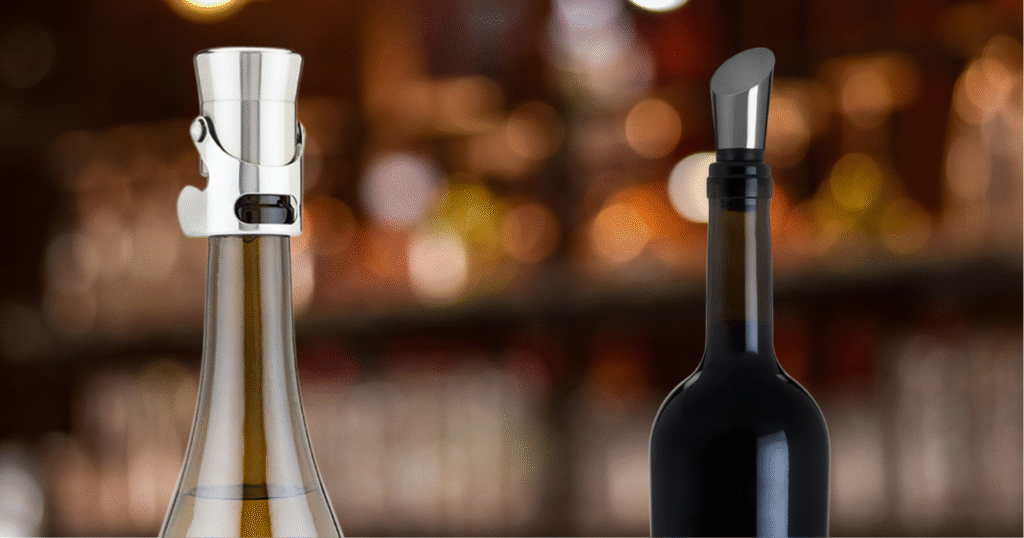
Whether you’re savoring a fine champagne or enjoying a bottle of wine, the right stopper can make all the difference. Many people assume a wine stopper and a champagne stopper serve the same purpose, but their designs, materials, and functions tell a different story.
Understanding those differences can elevate how you experience every bottle that comes after that first pour.
Key Takeaways
- Champagne stoppers handle pressure: they’re engineered to lock carbonation inside bottles reaching up to 90 psi, keeping every bubble intact.
- Wine stoppers focus on oxidation control: their purpose is to block air from entering still wines and maintain flavor for several days.
- Material choice impacts longevity: stainless steel and silicone make champagne stoppers more durable, while wine stoppers use softer materials.
- Seal mechanisms differ by function: clamp-style locks secure sparkling wines, while friction or vacuum seals protect still wines.
- Proper stopper use preserves experience: matching the right stopper to your bottle keeps your drink’s integrity, flavor, and texture at their best.
Understanding the Role of a Bottle Stopper
Why Sealing Matters After Opening
Wine and champagne are living liquids; they react with air, temperature, and light. Once opened, exposure to oxygen triggers a process called oxidation, which dulls aroma, fades flavor, and eventually spoils the drink. For still wines, the challenge is slowing oxidation. For sparkling wines, the challenge doubles: you must preserve both the flavor and the bubbles. The right stopper creates a barrier between the wine and the outside air, helping retain its integrity, freshness, and texture.
How Bottle Pressure and Wine Type Affect Stopper Choice
Every bottle holds a world of chemistry inside. Champagne and other sparkling wines contain dissolved carbon dioxide that creates internal pressure, roughly 90 pounds per square inch. That’s stronger than most car tires.
A standard wine, on the other hand, has virtually no internal pressure. Because of this, using the wrong stopper can lead to leaks, spills, or even injury. Champagne stoppers are specifically engineered to lock down that pressure, while wine stoppers simply keep air out. Once you understand that difference, choosing the right tool becomes less about preference and more about physics.
What Is a Champagne Stopper?
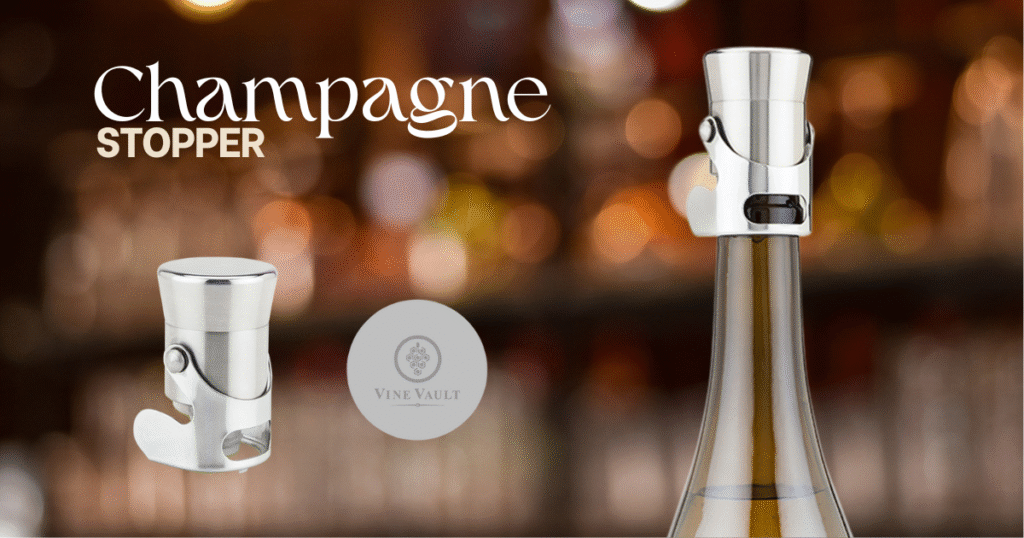
A champagne stopper is built to withstand force. Its design focuses on strength, safety, and seal integrity to protect the carbonation inside the bottle.
Design and Construction
Most champagne stoppers feature a spring-loaded clamp or hinged wire mechanism that secures tightly beneath the bottle’s lip. This locking system prevents accidental ejection, a real concern when dealing with pressurized bottles. The stopper’s interior usually has a silicone or rubber gasket that creates an airtight seal, ensuring that carbonation stays locked in.
Materials Used
High-quality champagne stoppers are typically made from stainless steel paired with silicone or food-grade rubber. Stainless steel offers resilience against pressure and corrosion, while silicone ensures a snug, flexible seal. The combination of these materials results in a tool that is both durable and easy to clean, two qualities that matter when dealing with something you might use again and again.
How Champagne Stoppers Work
The process is simple but deliberate.
- Step 1: After you pour, place the stopper over the bottle’s mouth and press it down until it clicks or locks into place.
- Step 2: As it seals, the rubber or silicone compresses against the glass, creating an airtight closure.
- Step 3: The clamp mechanism grips the bottle neck firmly, preventing the stopper from popping off under pressure.
This thoughtful process ensures the remaining champagne retains its effervescence and freshness for days, sometimes up to three when stored properly.
What Is a Wine Stopper?

Wine stoppers, unlike their champagne counterparts, focus on preserving still wines by minimizing oxidation rather than containing pressure.
Standard Wine Stopper Designs
There are several types: traditional cork, silicone plugs, and vacuum seals. Corks are classic but not always reusable. Silicone stoppers are simple, reusable, and easy to insert. Vacuum stoppers use a pump to extract excess air from the bottle, slowing down oxidation and extending the wine’s life by several days.
How Wine Stoppers Preserve Flavor
The goal is to reduce air exposure. A vacuum stopper creates a slight suction inside the bottle, lowering the oxygen level so flavors and aromas stay fresh longer. For non-vacuum types, the tight seal acts as a physical barrier against air and moisture. Unlike champagne stoppers, these aren’t designed to resist internal pressure; they simply protect the liquid from the air outside.
Best Practices for Re-Sealing Still Wines
To get the best results, re-seal the wine as soon as you finish pouring.
- Store Upright: Keep the bottle standing to minimize the surface area exposed to air.
- Maintain Temperature: Place it in a cool, dark spot or refrigerator to slow oxidation.
- Preservation Timeline: Red wines typically last 3–5 days, while whites can stay fresh for up to a week when properly re-sealed.
These small steps make a noticeable difference in keeping your wine’s flavor and aroma intact.
Champagne Stopper vs Wine Stopper: Key Differences
| Feature | Champagne Stopper | Wine Stopper |
| Pressure Resistance | High (up to 90 psi) | Low (0 psi) |
| Seal Mechanism | Clamp/Airtight | Vacuum/Friction |
| Ideal For | Sparkling wines | Still wines |
| Materials | Metal, Silicone | Silicone, Cork |
| Reusability | High | High |
| Lifespan | 2–3 years | 1–2 years |
Pressure Resistance
Champagne stoppers handle carbonation; wine stoppers don’t. That’s the defining difference. Champagne stoppers are engineered to withstand high pressure and secure tightly under the bottle lip, while wine stoppers are not built for internal pressure.
Seal Mechanism
Champagne stoppers use clamps or locking arms that latch onto the bottle’s rim. Wine stoppers rely on friction or vacuum suction to hold their place. One resists outward pressure, the other blocks inward air.
Material and Longevity
The materials differ because their jobs differ. Champagne stoppers need rigid, high-strength metals; wine stoppers can be flexible silicone or lightweight plastic. Champagne stoppers tend to last longer because they are designed for durability and repeated use.
Price and Availability
Champagne stoppers are slightly more expensive due to their complex mechanism and durable materials. Wine stoppers are more widely available, with affordable options for casual use and premium versions for collectors.
Can You Use a Wine Stopper for Champagne?
No, wine stoppers can’t hold champagne’s pressure. Even the tightest-fitting wine stopper will eventually slip or pop under the strain of carbonation.
What Happens If You Try
The risk isn’t just losing bubbles, it’s safety. The sudden release of pressure can cause the stopper to shoot off like a projectile, potentially damaging surfaces or causing injury. Even if it stays put, the champagne will go flat within hours as the carbonation escapes through gaps in the seal.
The Right Alternative
Always use a dedicated champagne stopper designed for sparkling wines. It’s a small investment that preserves the drink’s signature effervescence and keeps the experience enjoyable from the first glass to the last.
Choosing the Right Stopper for Your Bottle
How to Choose a Champagne Stopper
Look for features like a strong pressure rating, an airtight seal, and a reliable locking clamp. Stainless steel designs tend to last longer and are easier to clean. If you often enjoy prosecco or cava, pick one that specifically lists compatibility with sparkling wines.
How to Choose a Wine Stopper
For still wines, focus on the seal type and fit. Vacuum stoppers are ideal for longer preservation, while silicone ones are best for short-term storage. Some designs add a decorative touch, blending function with form.
Universal or Multi-Use Stoppers
Multi-use stoppers claim to work for both still and sparkling wines, but their effectiveness depends on the brand. Some can manage mild carbonation, but few can handle the full pressure of champagne. They’re convenient for casual use but not a perfect replacement for a true champagne stopper.
Care and Maintenance Tips
Cleaning and Storage
Always rinse your stoppers after use with warm water and mild soap. Avoid harsh chemicals that can degrade silicone or metal finishes. Let them air dry completely before storing to prevent mold or odor buildup. Keeping them in a cool, dry drawer away from sunlight helps preserve material quality.
When to Replace Your Stopper
Over time, seals can wear down or lose elasticity. If you notice any cracking, looseness, or difficulty locking the stopper securely, it’s time for a replacement. A worn stopper can compromise both safety and freshness.
Best Practices for Preserving Opened Bottles
Storage Temperature and Angle
Refrigeration slows oxidation and keeps carbonation stable. Store opened champagne bottles upright to minimize bubble loss, while still wines can be stored at a slight tilt to keep the cork moist if reinserted. Avoid temperature swings that stress the seal.
Time Limits for Open Bottles
Champagne generally lasts up to three days with a proper stopper. Still wines stay drinkable for five to seven days, depending on type and storage conditions. Beyond that, even the best stopper can’t fully stop oxidation, freshness fades naturally with time.
Elevating Your Experience: Why the Right Stopper Matters
Choosing the right stopper is about honoring the craftsmanship that gives each bottle its own story. It’s a simple yet meaningful act that keeps the essence of what was created alive.
Whether it’s champagne sparkling with life or wine revealing its quiet depth over time, using the right stopper preserves that artistry and enhances every pour, a belief we proudly uphold at Wine-n-Gear.