Wine Glass Shapes Explained: How to Choose the Right Glass for Every Wine
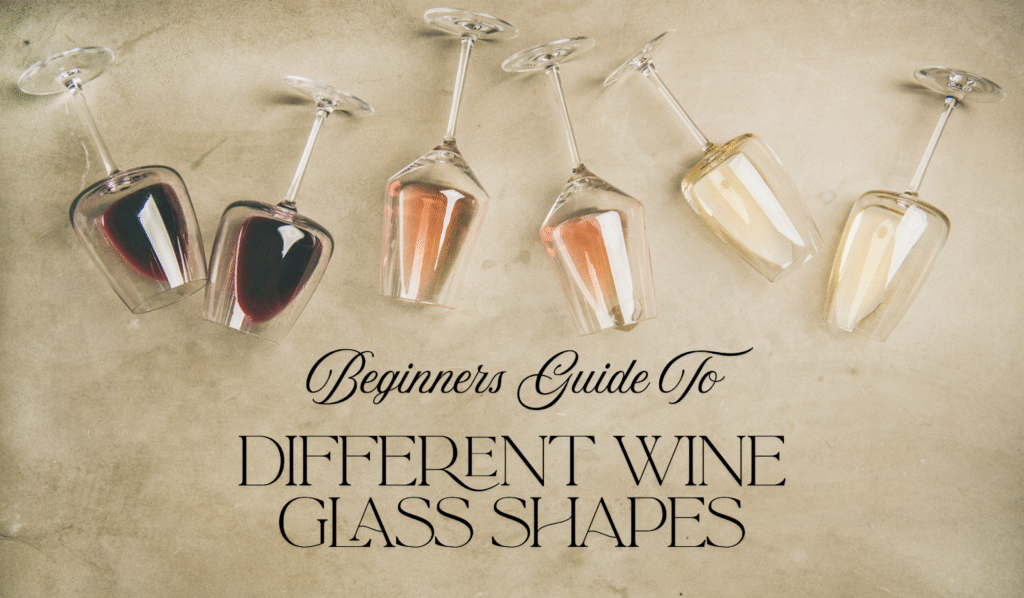
The design of a wine glass is intentional. Every curve, angle, and dimension influences how the wine opens, how aromas rise, and how flavors meet the palate. A wide bowl invites air and softens tannins, while a narrow bowl preserves freshness and highlights crisp notes. A thin rim delivers wine smoothly, a flared rim guides sweetness to the tip of the tongue, and even the length of the stem affects balance and temperature.
Wine professionals know that the glass can transform the same bottle into a completely different experience. Beginners notice it as soon as they compare a full-bodied red in a large bowl against the same wine in a narrow white wine glass. With the right shape, even a simple bottle feels layered and expressive. The key to choosing the right glass for every wine is to match the shape to the style: broad bowls for powerful reds, tapered bowls for delicate varietals, tall and narrow forms for sparkling wines, and smaller glasses for sweet or fortified pours. Learning these principles makes it easier to build a collection of glasses that enhances every wine, from casual pours to special bottles.
The Anatomy of a Wine Glass

A wine glass is more than a vessel. Each part of its design serves a purpose that influences aroma, flavor, and the overall drinking experience.
The Bowl
As the largest part of the glass, the bowl determines how much air meets the wine. Wider bowls encourage aeration, helping aromas expand and tannins soften. Narrow bowls limit oxygen exposure, which protects crispness and delicate notes. When the bowl curves inward toward the rim, it creates an “aroma funnel” that concentrates subtle scents.
The Rim
How wine touches the palate is shaped by the rim. A broad rim spreads liquid across the tongue, softening bold flavors. In contrast, a narrow rim directs the flow more precisely, heightening acidity and fruit intensity. Thin, laser-cut rims are considered ideal because they let wine glide effortlessly.
The Stem
Function and elegance meet in the stem. Longer stems keep hands away from the bowl, protecting the wine from body heat while making it easier to swirl. Shorter stems, along with stemless designs, are more casual but sacrifice some temperature control.
The Base
Stability comes from the base. A wide base supports taller glasses with large bowls, preventing spills during swirling. Smaller glasses require less support, so a narrower base is sufficient while keeping the design light and balanced.
Exploring Wine Glass Shapes in Depth

Large Bowls
Generous bowls give the wine more surface area, encouraging oxygen to soften tannins and expand aromas. Bold reds like Cabernet Sauvignon, Syrah, and Malbec open up beautifully in this style, revealing layered flavors and smoother textures with each swirl. The size also makes it easier to swirl confidently, releasing deep notes of fruit, spice, and oak.
Examples: Riedel Vinum Bordeaux, Schott Zwiesel Cru Classic
Small Bowls
By limiting oxygen contact, smaller bowls help keep delicate whites crisp and lively. Sauvignon Blanc, Pinot Grigio, and Riesling retain their citrus and floral character in this compact shape, which protects freshness and prevents the flavors from fading too quickly. Because the wine stays cooler in a smaller volume, bright acidity and minerality remain sharp and refreshing.
Examples: Spiegelau White Wine, Libbey Signature Kentfield Sauvignon Blanc
Tall Glasses
Designed with length and elegance, tall glasses highlight the visual drama of bubbles while preserving effervescence. Sparkling wines such as Champagne, Prosecco, and Cava benefit from this structure, which enhances their mousse and prolongs the sensation of liveliness. The tall column also concentrates carbonation at the top, keeping the bead of bubbles fine and attractive.
Examples: Baccarat Masséna Champagne Flute, Riedel Ouverture Champagne
Wide Glasses
The width of a glass plays an important role in aroma release. Wines with richness and weight, including oaked Chardonnay and full-bodied reds, benefit from a wider surface that allows swirling and helps integrate bold oak, butter, or vanilla notes. A broad opening also softens intensity by spreading flavors more evenly across the palate.
Examples: Zalto Denk’Art Universal, Riedel Oaked Chardonnay
Tapered Glasses
Narrowing toward the rim, tapered glasses are prized for capturing delicate aromatics. Subtle varietals like Pinot Noir and Nebbiolo show their best when the funnel shape directs floral, fruity, and earthy notes directly to the nose. The narrow rim also balances acidity, preventing lighter wines from feeling thin or sharp.
Examples: Riedel Burgundy Grand Cru, Zalto Denk’Art Burgundy
Flared Glasses
A gentle outward curve at the rim directs wine to the tip of the tongue, where sweetness is most pronounced. This design often suits rosé and dessert wines, drawing attention to strawberry, peach, or honeyed flavors while creating a modern look on the table. Many contemporary sets feature this flare because it combines aesthetics with sensory function.
Examples: Riedel Extreme Rosé, Schott Zwiesel Pure Rosé
Coupe Glasses
Once the classic choice for champagne, coupe glasses are shallow and broad, prioritizing vintage style over precision. Their open design allows bubbles to dissipate quickly, which is why they are now more often used for cocktails, though they remain iconic for festive occasions. They still bring drama to celebrations, even if they are less effective at preserving wine character.
Examples: Libbey Speakeasy Coupe, Waterford Elegance Coupe
Tulip Glasses
The tulip shape offers balance, combining a wide base with a gently narrowing top. Premium sparkling wines shine in this design, since it both retains effervescence and concentrates aromas, capturing the brioche, citrus, and mineral notes of fine champagne. Unlike flutes, tulips reveal more complexity without sacrificing bubble structure.
Examples: Lehmann Jamesse Prestige Tulip, Riedel Veritas Champagne Wine Glass
Wine Glass Shapes for Every Type of Wine

Red Wines
- Cabernet Sauvignon, Merlot, Malbec: Large Bordeaux-shaped bowls with tall sides. The height directs wine to the back of the palate, balancing bold tannins and structure.
- Pinot Noir and Nebbiolo: Wide, rounded bowls with a tapered rim, often called Burgundy glasses. This shape captures delicate floral and earthy aromas while softening acidity.
- Syrah and Shiraz: Medium-wide bowls with slightly narrowed rims. These balance spice, fruit, and alcohol intensity.
White Wines
- Sauvignon Blanc and Riesling: Narrow, upright bowls that protect acidity and citrus-driven aromas. The tall shape guides freshness directly to the palate.
- Chardonnay: A slightly wider bowl, especially for oaked styles. This shape reveals buttery, nutty notes and supports richer textures.
- Rosé: Glasses with a gentle outward flare at the rim. This accentuates fruit-forward flavors and highlights sweetness on the tip of the tongue.
Sparkling Wines
- Champagne and Prosecco: Tall, narrow flutes preserve bubbles but limit aromas.
- Premium Champagne and Vintage Sparkling: Tulip-shaped glasses with a curved bowl and tapered rim that both showcase effervescence and release layered aromas.
- Coupes: Used for vintage flair, though less practical for aroma concentration or bubble retention.
Dessert and Fortified Wines
- Port and Sherry: Small tulip-shaped glasses that focus sweetness and higher alcohol without overwhelming the senses.
- Late Harvest and Ice Wines: Petite glasses with narrow bowls to preserve concentrated aromas and prevent overpouring.
Universal Glasses and Why They Work
Universal glasses combine the most effective shape features into a medium bowl with a gentle taper. They cannot maximize every varietal but they perform well across most red, white, and rosé wines. They are a practical choice for casual drinkers or those with limited storage.
Caring for Wine Glass Shapes
- Wash by hand with warm water and mild detergent to protect thin rims.
- Store upright in a clean cabinet or on a hanging rack with dividers.
- Use microfiber cloths to polish and prevent streaks or scratches.
Expert Perspectives: Does Shape Really Change Taste?
Blind tastings repeatedly confirm that glass shape influences perception. A Cabernet in a small white wine glass feels harsh and flat, while the same wine in a tall Bordeaux bowl softens into elegance. Sommeliers describe shapes as tools that unlock what the winemaker intended. Even for casual drinkers, the difference becomes obvious once wines are compared side by side.
Final Pour: The Power of Shape
Every curve of a wine glass is purposeful. The bowl, rim, and stem work together to highlight the qualities of a specific wine style. Large bowls tame tannins, narrow bowls protect freshness, and tapered rims concentrate subtle aromas. Once you understand these principles, you can match shape to wine with confidence. With thoughtful glassware choices, every sip reveals more depth, balance, and pleasure.
Frequently Asked Questions
Why are wine glass bowls shaped differently?
Wine glass bowls vary in size and contour because each design is meant to enhance a particular style of wine. A wide bowl provides more surface area, allowing bold reds like Cabernet Sauvignon to interact with oxygen. This aeration softens tannins, releases complex aromas, and makes the wine feel smoother. In contrast, a narrow bowl limits air exposure, which is ideal for crisp whites like Sauvignon Blanc because it preserves acidity and freshness. When a bowl curves inward toward the rim, it funnels aromas directly to the nose, intensifying the sensory experience. These subtle design choices are why the same wine can taste very different depending on the glass used.
Is a thin rim better than a thick rim?
Yes, a thin rim usually improves the tasting experience. Thick rims create a noticeable barrier between the wine and the mouth, interrupting the natural flow. A fine, laser cut rim allows the wine to glide smoothly across the tongue, making flavors feel more precise and balanced. Thin rims also feel lighter and more refined when they touch the lips, which enhances the perception of elegance. This is why most high quality glassware brands focus on producing ultra thin rims. They do not just look sophisticated, they directly improve how you experience the wine’s texture and flavor.
Can one wine glass be used for everything?
While wine professionals recommend varietal specific glasses, a universal wine glass is often enough for everyday drinking. Universal glasses typically feature a medium sized bowl with a slight taper, striking a balance between aeration and aroma concentration. They will not maximize every wine. A Pinot Noir may not be as expressive as it would be in a wide Burgundy glass, and Champagne will not sparkle as dramatically as in a flute. Still, they perform surprisingly well across reds, whites, and rosés. If you are short on space or just beginning your collection, investing in a high quality universal glass provides flexibility without losing too much nuance.
Why are champagne flutes tall?
The tall, narrow design of a flute is intended to preserve carbonation and showcase bubbles. By reducing the wine’s surface area, flutes slow down the escape of carbon dioxide, which keeps sparkling wines lively for longer. Their vertical shape also directs bubbles in a steady stream to the surface, creating a visual effect that adds to the celebratory atmosphere. However, while flutes excel at bubble retention, they limit aroma concentration. That is why sommeliers often prefer tulip shaped glasses for vintage Champagne. They offer more room for aromas to expand while still maintaining effervescence. Flutes remain the traditional choice for parties and toasts, but other shapes may reveal more of the wine’s complexity.
Are stemless glasses recommended?
Stemless glasses are stylish, practical, and durable, which makes them popular for casual settings. They are less likely to tip over, fit easily into dishwashers, and often double as everyday drinkware. However, they come with trade offs. Because they lack a stem, your hand makes direct contact with the bowl, warming the wine more quickly. This is less of an issue with reds served at room temperature but can negatively affect whites and sparkling wines that are best enjoyed chilled. Stemless glasses also do not allow the same level of swirling control, which can limit aeration. For casual sipping, they are perfectly fine, but for a more elevated tasting experience, especially with premium bottles, traditional stemmed glasses are the better choice.