What is a Corkscrew? A Beginner’s Guide to Wine Openers

A corkscrew is a handheld tool designed to remove corks from wine bottles by inserting a spiral metal shaft into the cork and pulling it out in a controlled, vertical motion. It allows wine bottles sealed with natural or synthetic corks to be opened without breaking the cork or damaging the bottle.
Wine bottles are sealed to protect aroma, flavor, and structure over time. A corkscrew exists for one reason: controlled cork extraction. Without it, opening a cork-sealed bottle becomes inconsistent, messy, or destructive.
Although it is often treated as a simple accessory, the corkscrew is a precision tool shaped by centuries of wine service, mechanical refinement, and material science. Understanding how it works, why designs differ, and which type fits each use case helps eliminate frustration and improves the overall wine experience.
Key Takeaways
- A corkscrew removes corks using a spiral shaft and leverage rather than force.
- The spiral, called a worm, is the most critical component for grip and control.
- Different corkscrew designs exist to solve different leverage and ease-of-use needs.
- Corkscrews evolved alongside glass bottles and cork sealing technology.
- The right corkscrew depends on cork type, user strength, and usage frequency.
How a Corkscrew Works
A corkscrew works by threading a spiral metal shaft into the center of a cork, creating friction and grip, then applying upward force through leverage to extract the cork without crumbling or breaking it.
At its core, every corkscrew relies on the same mechanical principle: rotational insertion followed by vertical extraction.
The Main Parts of a Corkscrew
- Worm: The spiral metal shaft that penetrates and grips the cork.
- Handle: The grip used to rotate and stabilize the tool.
- Leverage mechanism: Arms, hinges, or fulcrums that reduce the force needed to pull the cork.
- Foil cutter (on some models): Removes the capsule covering the bottle neck.
The worm must be centered to avoid piercing through the cork, which weakens grip and risks cork fragments falling into the wine. A properly designed worm uses a sharp tip and evenly spaced coils to maximize surface contact.
Leverage is what differentiates basic corkscrews from advanced designs. Adding a lever converts pulling force into mechanical advantage, making extraction smoother and more predictable.
A Brief History of the Corkscrew

From Wine Seals to Unsealing: The Birth of the Corkscrew
The corkscrew emerged in the late 1600s, following the widespread adoption of cork as the standard seal for wine bottles. Before this shift, wine was commonly stored and transported in barrels. As glass bottles became more practical for aging and trade, cork stoppers proved ideal for creating an airtight seal that preserved flavor and quality. However, cork’s natural expansion inside the narrow neck of a bottle made removal difficult, creating the need for a dedicated tool.
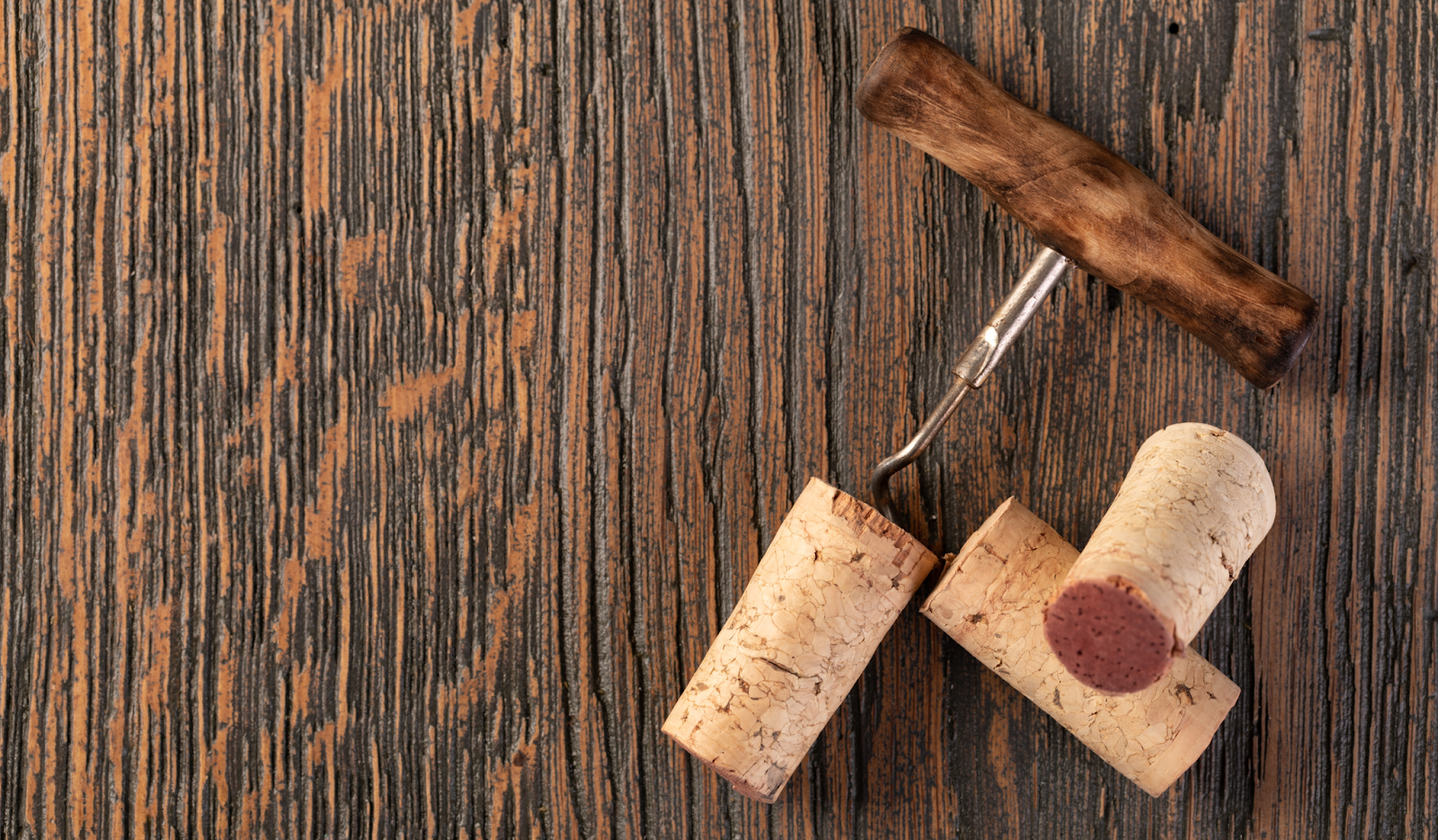
The earliest corkscrews were adapted from spiral instruments originally used to extract musket balls from firearms. These early designs were simple steel spirals paired with wooden handles, built purely for function. Despite their basic construction, they solved a growing problem in wine service and laid the foundation for future innovation.
Transforming Tradition: The Development of Corkscrew Designs
As wine consumption expanded beyond professional cellars into private homes, corkscrew design began to evolve. The 18th century marked the introduction of the classic T-shaped corkscrew, which provided better grip and control while reducing cork breakage. This design made wine opening more practical for everyday use.
Over time, further refinements such as lever-assisted mechanisms and ergonomic handles improved efficiency and ease of use. These developments not only enhanced functionality but also elevated the wine-opening experience, reflecting a growing appreciation for ritual and craftsmanship.
From Utility to Craftsmanship in Wine Culture
The evolution of the corkscrew mirrors the broader development of wine culture itself. What began as a purely utilitarian solution gradually became an integral part of the wine-drinking ritual. Today, corkscrews range from minimalist tools to finely crafted objects, symbolizing both the history of winemaking and the care taken in opening and enjoying a bottle.
Types of Corkscrews and When to Use Each
Different corkscrew designs exist to balance leverage, control, and ease of use, with each type suited to specific users and environments.
Waiter’s Corkscrew
Compact and foldable, this design uses a hinged lever to pull the cork in stages. It offers excellent control and is widely used in restaurants.
Best for:
- Wine enthusiasts
- Controlled extraction
- Portability
Winged Corkscrew
This model raises two arms as the worm is twisted into the cork. Pressing the arms down lifts the cork out.
Best for:
- Casual home use
- Users who prefer visual feedback
- Consistent leverage
T-Handle Corkscrew
A simple handle attached directly to the worm. It requires manual pulling strength and technique.
Best for:
- Traditionalists
- Occasional use
- Soft or short corks
Electric Corkscrew
Battery-powered or rechargeable, these models automate insertion and extraction with minimal effort.
Best for:
- Limited hand strength
- High-volume opening
- Convenience-focused users
Corkscrew vs Wine Opener
A corkscrew is a specific tool that removes corks, while a wine opener is a broader category that may include corkscrews, foil cutters, levers, or electric mechanisms in a single device.
All corkscrews are wine openers, but not all wine openers are simple corkscrews. The distinction matters when choosing tools for different levels of service, portability, and ease.
What Makes a Corkscrew Easy or Hard to Use
Ease of use depends on leverage design, worm quality, handle ergonomics, and cork material.
Key factors include:
- Lever mechanics: Multi-step levers reduce force.
- Worm sharpness: Dull worms tear corks.
- Handle grip: Poor grip increases slippage.
- Cork type: Synthetic corks require stronger grip than natural cork.
A well-designed corkscrew minimizes wrist strain and reduces the risk of cork breakage, especially with older or fragile corks.
Corkscrew Culture and Collecting
The Invention of the Corkscrew
The invention of the corkscrew is closely tied to the history of wine and the development of bottling techniques. As wine became more widely produced and consumed in Europe, especially in the 17th century, glass bottles with cork stoppers emerged as the preferred method for preserving wine. However, the tightly sealed corks posed a challenge, necessitating the creation of a tool that could effectively remove them without breaking the bottle or contaminating the wine.
The earliest corkscrews were inspired by tools used for military purposes, such as removing bullets from muskets, which featured a similar twisting mechanism. These rudimentary devices evolved over time, with inventors experimenting with different shapes, materials, and mechanisms to improve ease of use.
By the 18th century, the corkscrew had become a specialized tool, tailored specifically for the wine industry, reflecting the growing sophistication of wine culture and the need for reliable tools to support it.
Exploring the Oldest Known Corkscrew
The oldest known corkscrew dates back to the late 1600s, a period when wine was increasingly being bottled and stored for transport. This early corkscrew, known as a “steel worm,” was a simple device made from a twisted piece of metal with a wooden handle. Despite its rudimentary design, it effectively served its purpose and became the prototype for future innovations.
These early corkscrews are now considered rare artifacts, highly sought after by collectors for their historical value. The evolution of the corkscrew from these early models highlights the ingenuity of the time and the ongoing quest to improve the wine-drinking experience.
The increasing appreciation for wine led to the creation of corkscrews that were both functional and artistically crafted. These early corkscrews, with their intricate designs, reflect the evolving tastes of wine enthusiasts and offer a window into the early days of wine culture and the innovations that shaped it.
The Term for Corkscrew Collectors
Collectors of corkscrews are known as “helixophiles,” a term derived from the word “helix,” which refers to the spiral shape of the corkscrew’s worm, and “phile,” meaning a lover or enthusiast. Helixophiles often have a deep appreciation for the history, craftsmanship, and variety of corkscrews, amassing collections that span different eras, regions, and styles.
These collections can include everything from early, hand-forged models to ornate, decorative pieces made from precious metals. The passion for corkscrew collecting is fueled by the unique designs and the stories behind each piece, making it a fascinating hobby for those who love both wine and history.
Helixophiles might seek out rare and antique corkscrews at auctions, antique shops, or specialized gatherings, often finding joy in discovering a piece that adds to the narrative of their collection. This niche community of collectors celebrates the artistry and evolution of corkscrews, preserving an important part of wine culture’s heritage.
Frequently Asked Questions
1. Is a corkscrew the same as a wine opener?
While the terms “corkscrew” and “wine opener” are often used interchangeably, they refer to slightly different tools within the wine industry. A corkscrew specifically refers to the tool designed to remove corks from bottles, typically featuring a spiral metal worm that is twisted into the cork and then pulled out.
Wine openers, on the other hand, can encompass a broader range of tools, including those with additional features such as a lever, foil cutter, or even electric mechanisms. Wine openers may be more complex, offering multiple functions in one device, which can be particularly useful in professional or high-volume settings.
The key difference lies in the design and intended use; a corkscrew focuses solely on extracting the cork, while a wine opener may provide a more comprehensive solution for opening and preparing wine. Both tools are essential in their own right, but the choice between them depends on the user’s preference and the specific requirements of the occasion.
2. Which way do you twist a corkscrew?
To use a corkscrew effectively, start by positioning the tip of the corkscrew in the center of the cork. With steady pressure, twist the corkscrew clockwise, guiding it smoothly into the cork. As you continue to twist, the spiral should gradually embed itself deeper into the cork, ensuring a firm grip.
It’s important to keep twisting until the corkscrew is almost fully inserted, leaving just one twist of the spiral visible above the cork. Once the corkscrew is securely in place, use the handle or arms of the corkscrew to gently lift the cork out of the bottle. This method allows for a smooth and controlled removal, ensuring the cork comes out intact without breaking.
3. What are corkscrews good for?
Corkscrews are indispensable tools designed to smoothly extract corks from a variety of bottles, particularly wine. The tool’s spiral metal worm pierces the cork, ensuring a clean and effortless removal. While primarily used for wine, corkscrews are also handy for opening bottles of spirits or specialty vinegars sealed with corks. More than just a practical device, corkscrews contribute to the ritual of wine drinking, transforming the act of uncorking into a moment of anticipation and enjoyment. They are not merely functional but also integral to the traditions that enrich wine culture, making them essential for anyone who values the complete wine experience.
4. Which corkscrew is easiest to use?
The easiest corkscrew to use is often considered to be the waiter’s friend or sommelier’s corkscrew. This type features a small, foldable design with a lever mechanism that provides extra leverage, making it easier to pull out the cork. It includes a foil cutter and a two-step system that allows for more control when removing the cork.
Another popular and easy-to-use option is the winged corkscrew, which has two arms that rise as you twist the spiral into the cork; pressing the arms down lifts the cork out smoothly. For those looking for the simplest option, an electric corkscrew requires minimal effort, as it automatically twists and removes the cork with the push of a button.
5. What does corkscrew symbolize?
The corkscrew carries significant symbolic meaning. It represents the beginning of a shared experience, as opening a bottle of wine often signifies the start of a social gathering or celebration. The act of using a corkscrew is steeped in tradition, evoking the craftsmanship of winemaking and the art of enjoying wine.
For collectors and enthusiasts, the corkscrew also symbolizes a connection to the history and culture of wine, with each unique design reflecting the time period and region in which it was made. Additionally, the corkscrew can be seen as a metaphor for unlocking pleasure, knowledge, and tradition, making it a cherished object for many. Its presence at the start of a meal or gathering sets the tone for the evening, making it more than just a tool, but a key to an experience rich with meaning and anticipation.
Embracing the Legacy of the Corkscrew
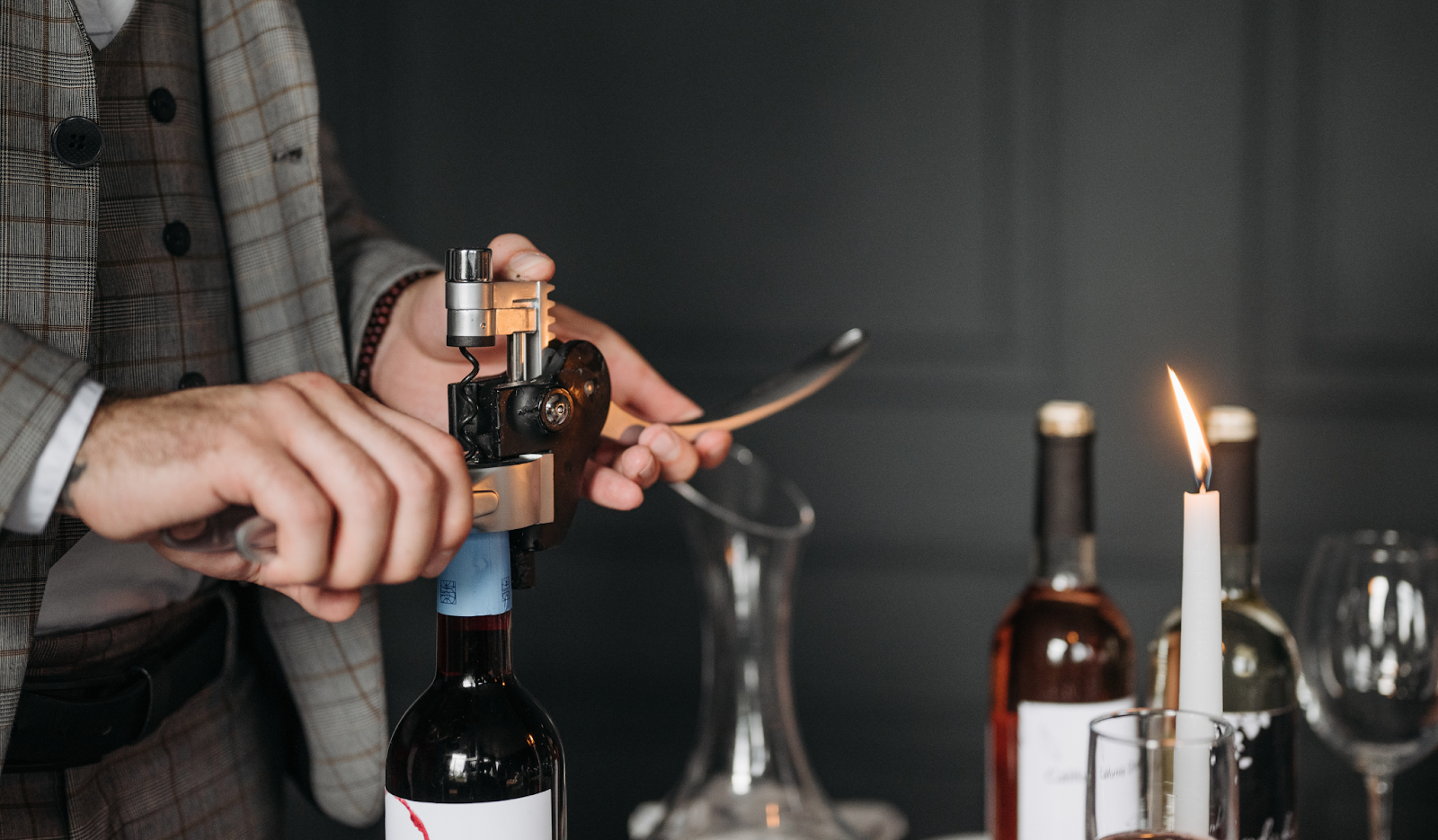
The corkscrew has journeyed far from its humble beginnings, becoming a symbol of the shared joy and tradition that wine brings to our lives. More than just a tool, it represents the craftsmanship and cultural significance that wine enthusiasts value deeply. Whether you’re drawn to its practical utility or its role in the ritual of wine, the corkscrew stands as a timeless accessory in any wine lover’s collection.
For those looking to explore the art and utility of corkscrews further, our curated selection at Wine-n-Gear offers a range of designs to suit every need and occasion. Discover the perfect corkscrew that not only meets your functional requirements but also enhances your wine experience. Explore more about our offerings at Wine-n-Gear, where tradition and innovation come together in every tool we offer.