Best Ice Buckets in 2026: Expert Picks for Wine, Champagne, and Entertaining
Last Updated: February 02, 2026
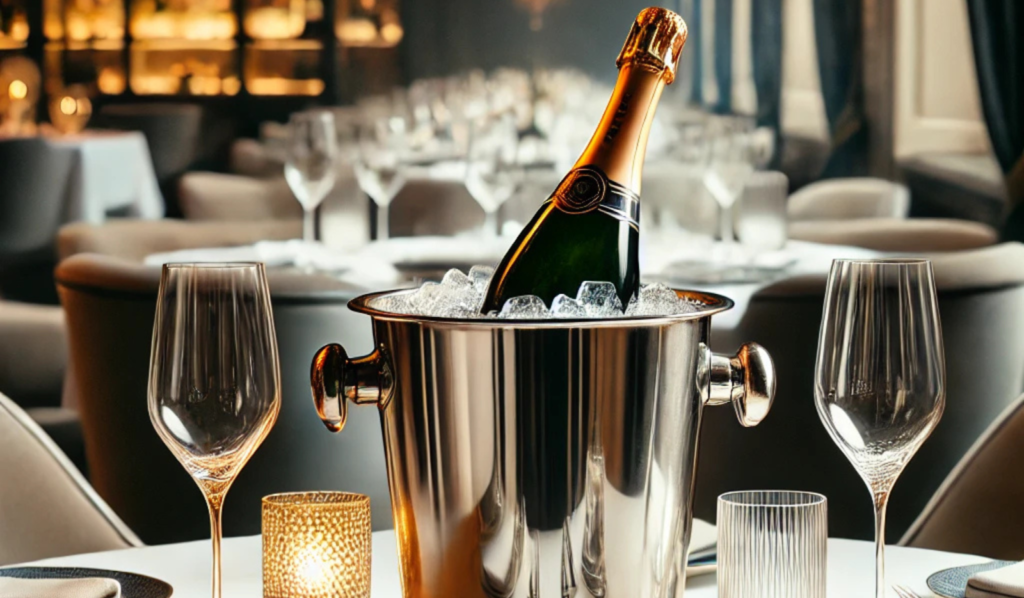
The best ice buckets in 2026 combine effective insulation, durable materials, proper bottle capacity, and condensation control to keep beverages cold without constant refilling. High-quality ice buckets are designed around use case, whether that is wine service, champagne chilling, large gatherings, or branded events. Choosing the right ice bucket depends on beverage type, event size, and desired cooling performance.
An ice bucket is not just a container for ice. It is a temperature-control tool that directly affects beverage quality, service efficiency, and guest experience. In 2026, the best ice buckets are engineered with better materials, smarter insulation, and designs that match specific entertaining needs, from intimate wine service to large-scale events.
Many buyers choose an ice bucket based on appearance alone, then discover issues such as fast ice melt, excessive condensation, or insufficient capacity. Understanding how different ice bucket designs work allows you to select a solution that performs consistently, looks intentional, and fits the way you actually serve drinks.
Top 6 Best Ice Buckets in 2026
1. HEXA Ice Bucket: Built for High-Volume Entertaining Without Constant Refills
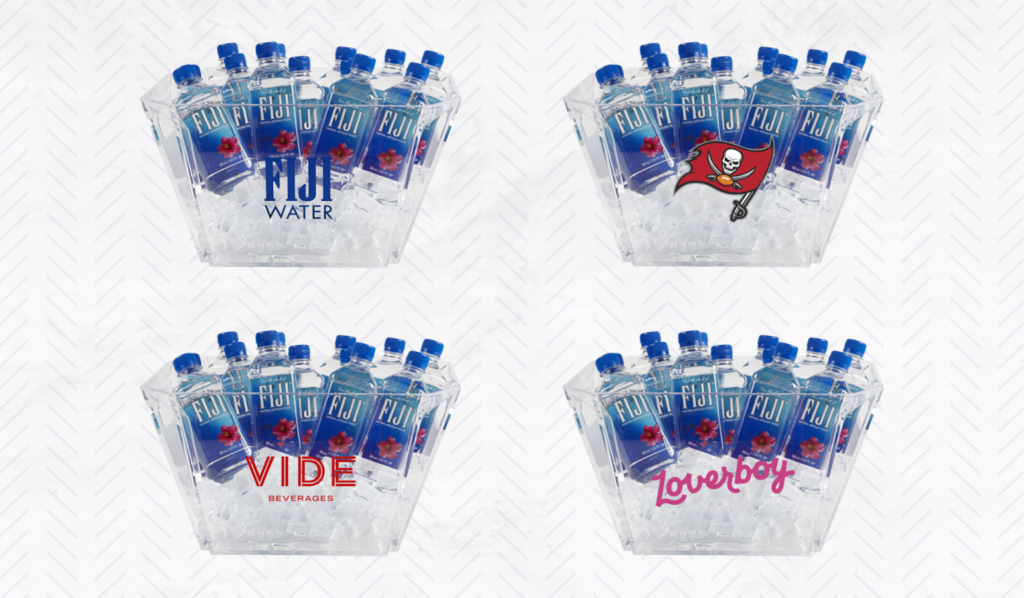
The HEXA Ice Bucket is built for high-volume entertaining where refilling should not interrupt the experience. Designed as a large-format solution, it comfortably holds four to six bottles, making it ideal for gatherings where consistent access to chilled drinks matters more than constant monitoring.
Its angular silhouette is not just visual. The double-wall acrylic construction slows heat transfer, helping ice last longer while maintaining a clean, modern presentation. Integrated cut-out handles allow easy transport even when fully loaded, and two large imprint areas support event branding or customization without compromising usability. Domestic and overseas production options provide flexibility depending on timeline and budget.
Ideal for: Family gatherings, holiday events, and casual hosting where capacity, convenience, and clean design are priorities.
2. Diamond Stainless Steel Ice Bucket: A Refined Ice Bucket for Elegant, Small-Scale Service
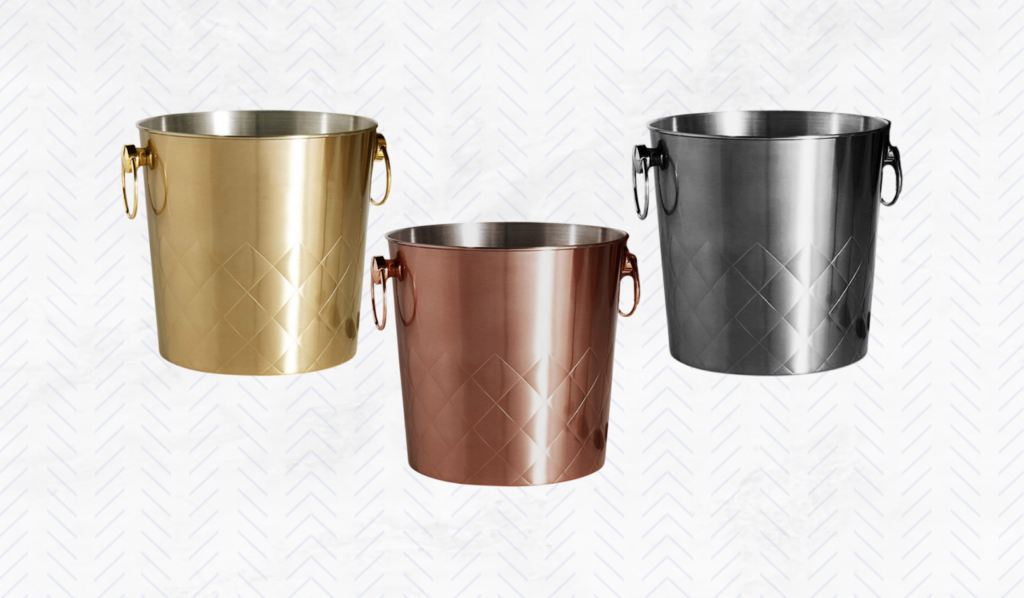
The Diamond Stainless Steel Ice Bucket is designed for refined, small-scale service where presentation is as important as performance. Crafted from premium stainless steel, it offers improved temperature stability and reduced exterior condensation compared to non-metal alternatives.
Sized to hold up to two bottles, this bucket is well suited for wine, champagne, or spirits during seated dinners or formal events. Available in gold, copper, and black finishes, it delivers a polished aesthetic without sacrificing function. Dual-side printing or laser engraving allows discreet branding while preserving its upscale appeal.
Ideal for: Intimate gatherings, formal dining, and events where understated luxury and attention to detail matter.
3. Standard Small Ice Bucket: A Compact, Cost-Effective Ice Bucket for Everyday Use
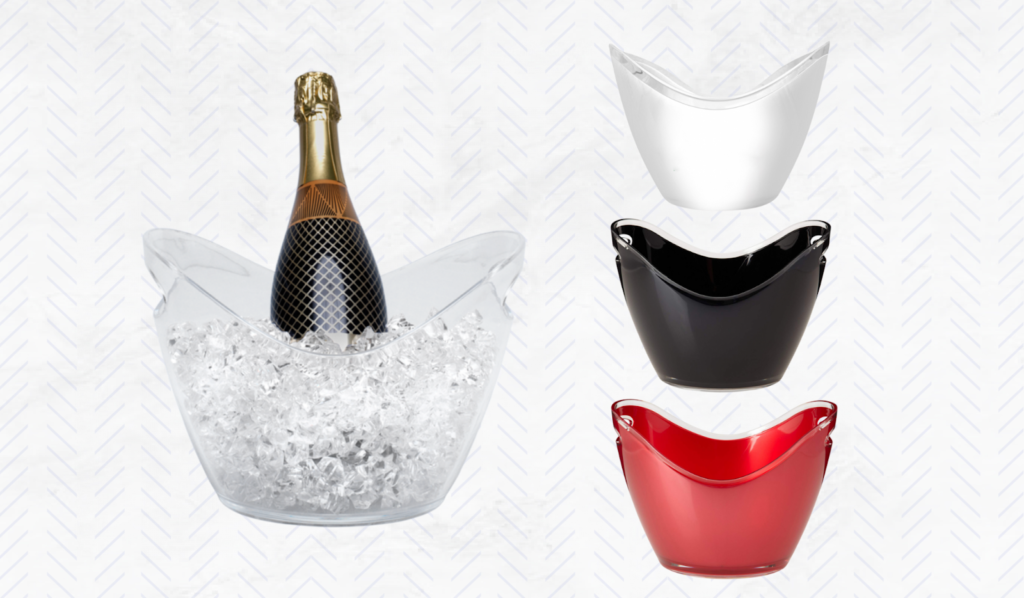
The Standard Small Ice Bucket offers a practical balance of affordability, durability, and everyday performance. Designed for one to two bottles, it delivers efficient cooling without excess ice usage, making it a reliable option for smaller settings.
Its double-wall acrylic construction helps maintain temperature while minimizing condensation, and the stackable design supports easy storage between uses. Branding on both sides adds flexibility for promotional or professional applications without increasing complexity.
Ideal for: Casual get-togethers, smaller events, tasting tables, and branded promotions that require a dependable, cost-effective solution.
4. Dual-Color Ice Bucket: A Customizable Ice Bucket Designed for Branded Events
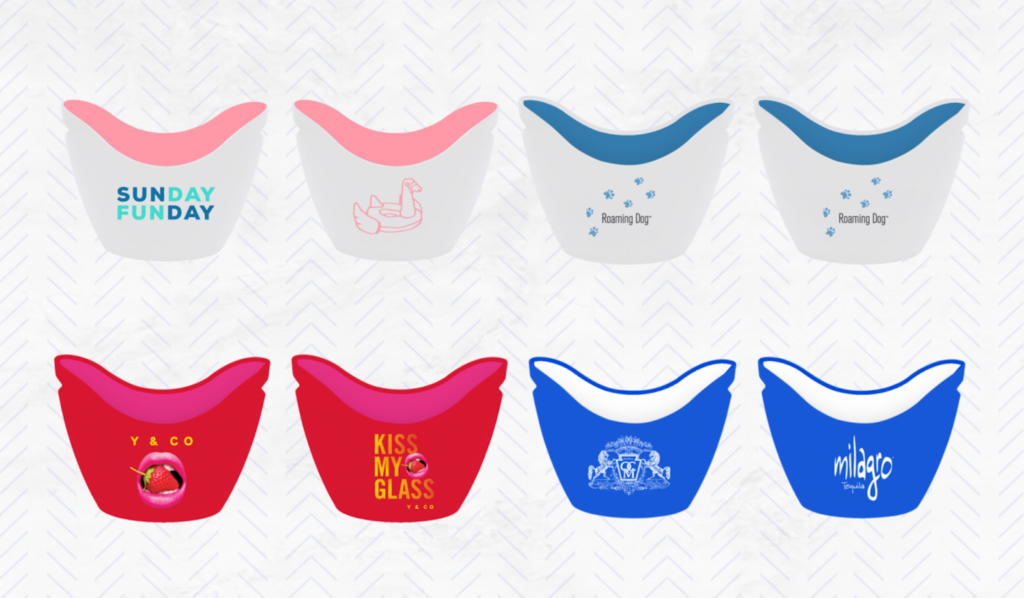
The Dual-Color Ice Bucket combines mid-range capacity with visual customization, making it a strong choice for events where design consistency matters. Custom Pantone colors on the interior and exterior allow the bucket to align seamlessly with event themes or brand identity.
Constructed using fused double-wall acrylic shells, it supports consistent cooling while comfortably holding three to four bottles. Its stackable profile simplifies storage, and dual-side logo printing ensures visibility from multiple angles. This item is produced overseas and requires extended lead time.
Ideal for: Corporate events, branded activations, and celebrations where customization and function need equal consideration.
5. Stainless Steel 1-Bottle Wine Chiller: Insulated, Ice-Free Chilling for Wine and Champagne
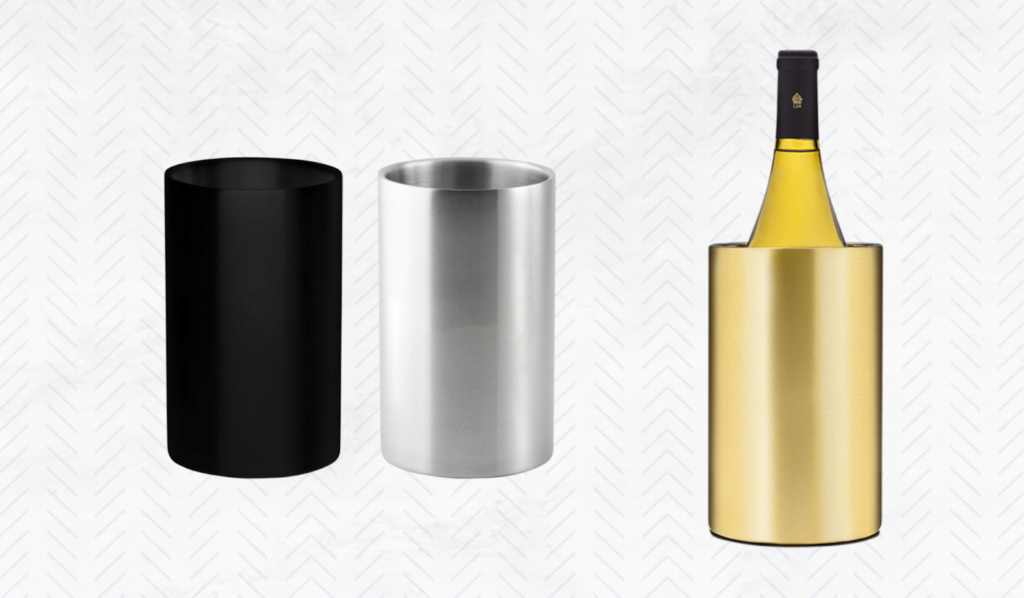
The Stainless Steel 1-Bottle Wine Chiller is designed for precise temperature maintenance without ice. Its insulated, double-wall stainless steel construction slows heat gain, allowing wine or champagne to remain at serving temperature throughout an event.
Available in multiple finishes including steel, rose gold, and gold, it pairs refined aesthetics with practical performance. Logo engraving or full-color printing allows subtle personalization without affecting insulation or usability.
Ideal for: Wine service, seated dinners, and hosts who want controlled chilling without dilution or condensation runoff.
6. Metal Beverage Tub & Ice Bucket: A High-Capacity Serving Solution for Large Gatherings
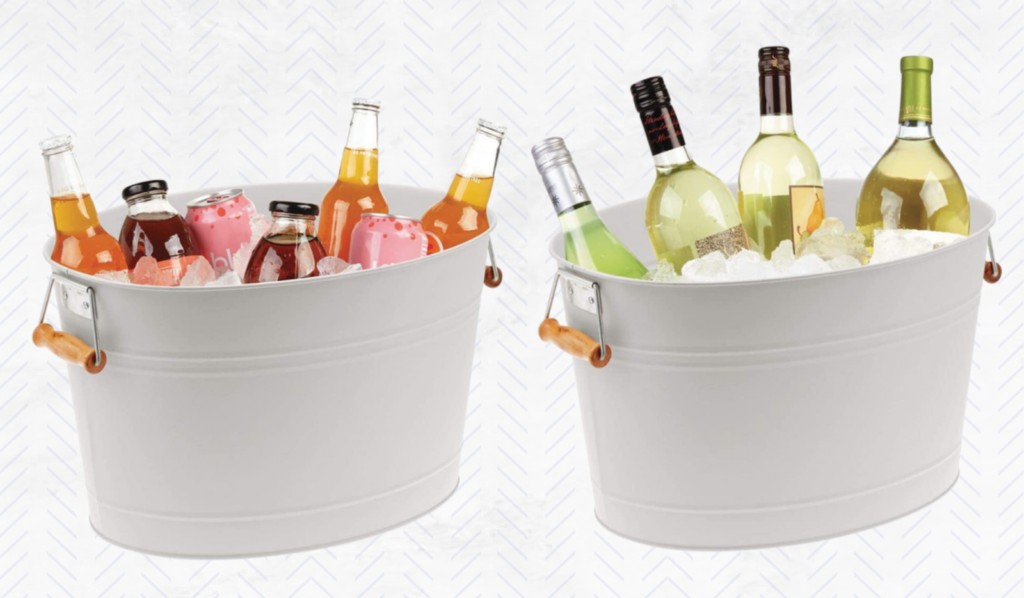
The Metal Beverage Tub is built for volume and visibility, making it well suited for large gatherings and self-serve drink stations. Constructed from rust-resistant steel, it supports extended use indoors or outdoors while maintaining structural integrity.
Its generous capacity accommodates a wide range of bottles and cans, while optional bamboo or chrome handles add visual contrast and ease of handling. Full-wrap Pantone color customization and dual-side pad printing make it an effective branding centerpiece for events.
Ideal for: Large parties, outdoor events, and branded gatherings where quantity, durability, and visual impact take priority.
What Makes an Ice Bucket “Best” for Cooling Drinks
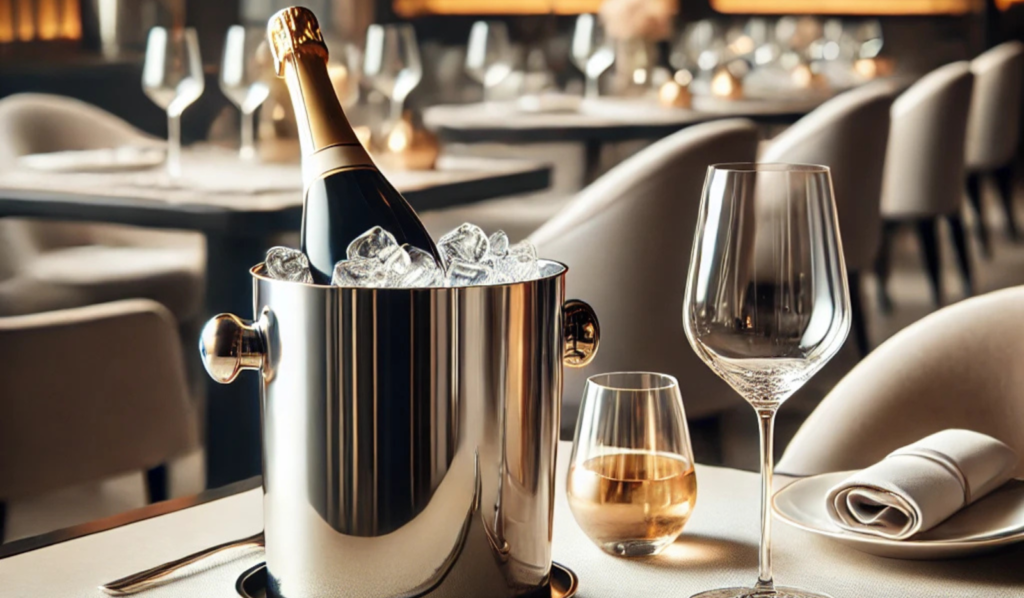
A high-performing ice bucket balances insulation, material composition, bottle capacity, and condensation control to slow heat transfer and preserve ice longer. Design choices directly influence melt rate, surface sweating, and beverage temperature stability.
Insulation and Wall Construction
Double-wall construction is the single most important performance feature. By creating an air gap or insulated barrier, double-wall buckets reduce heat transfer from ambient air into the ice chamber. This significantly slows melting compared to single-wall containers.
Material Selection
Acrylic ice buckets provide high capacity, visibility, and lightweight handling. Stainless steel and metal buckets offer better thermal mass and reduced condensation, especially when insulated. The best choice depends on whether volume or temperature stability is the priority.
Capacity and Bottle Fit
Bottle count matters less than internal spacing. Crowded buckets melt ice faster because airflow is restricted. Properly sized buckets maintain colder temperatures with less ice waste.
Condensation Management
Sweating occurs when warm air contacts a cold exterior surface. Double-wall designs reduce exterior condensation, protecting tables, linens, and hands.
Ice Bucket vs Wine Chiller vs Beverage Tub
Ice buckets, wine chillers, and beverage tubs all keep drinks cold, but they are designed for different serving needs. Choosing the right option depends on how many bottles you are serving, how long they need to stay cold, and whether capacity or temperature precision matters more.
Ice buckets use ice to chill multiple bottles at once. They cool quickly and work well for wine, champagne, beer, and mixed beverages during parties and events. Their effectiveness depends on insulation, size, and ice volume, making them the most versatile choice for hosting.
Wine chillers rely on insulation rather than ice and are designed for single bottles. They work best when the bottle is already chilled and needs to stay at serving temperature without condensation or water mess. Wine chillers are ideal for dinners, tastings, and indoor settings where control and presentation matter.
Beverage tubs prioritize volume over precision. They hold a large number of bottles and cans for self-serve setups, especially at outdoor or large gatherings. While they require more ice and melt faster, they offer convenience and visibility for high-traffic events.
Understanding the difference helps you choose the right cooling solution and avoid using the wrong tool for the occasion.
Best Ice Buckets by Use Case
- Best for Large Gatherings: High-capacity acrylic ice buckets that can hold multiple bottles at once, reduce the need for constant refilling, and keep drinks easily accessible during busy events.
- Best for Wine and Champagne Service: Insulated stainless steel ice buckets designed to maintain consistent serving temperatures while minimizing condensation and preserving presentation at the table.
- Best Budget Option: Small double-wall acrylic ice buckets that offer dependable cooling for one or two bottles, making them a practical choice for casual gatherings or smaller events.
- Best for Branded Events: Customizable dual-color ice buckets or metal beverage tubs that support logos, colors, and graphics, allowing the cooling solution to double as a visual centerpiece.
- Best No-Ice Cooling: Insulated single-bottle wine chillers that keep wine or champagne at serving temperature without ice, water runoff, or dilution concerns.
How to Keep Ice From Melting Too Fast
Ice lasts longer when the bucket is pre-chilled, properly insulated, and filled with larger ice pieces that reduce surface area exposure and slow heat transfer.
- Pre-chill the bucket before use: Place the empty bucket in a freezer or rinse it with cold water for a few minutes to lower the internal temperature before adding ice.
- Use large cubes or ice blocks: Larger pieces melt more slowly than small cubes because they have less surface area exposed to warm air.
- Avoid direct heat sources: Keep the bucket away from sunlight, grills, warm countertops, or heat vents to reduce external heat gain.
- Do not overcrowd bottles: Leaving space between bottles allows ice to surround them evenly and melt more slowly, improving overall cooling efficiency.
This approach helps maintain colder temperatures longer while reducing the need for frequent ice refills during serving.
How to Prevent Ice Bucket Sweating
Double-wall construction is the most effective way to reduce ice bucket sweating. By creating a barrier between the cold interior and the warmer exterior air, double-wall acrylic and insulated metal buckets limit condensation from forming on the outside surface.
Material choice also plays a role. Insulated stainless steel buckets tend to sweat less than single-wall metal designs, while quality acrylic buckets balance visibility with condensation control. For non-insulated buckets, placing a liner, coaster, or folded towel underneath helps absorb moisture and protect tables, linens, and countertops from water damage.
How Much Ice You Need Per Bottle
A general rule is two to three pounds of ice per standard wine or champagne bottle. This amount allows the bottle to be fully surrounded by ice, promoting faster and more even cooling.
Larger ice buckets require more total ice, but they often benefit from slower melting due to increased thermal mass and insulation. Using larger ice cubes or blocks can further reduce melt rate, especially for longer events. Planning sufficient ice in advance helps maintain consistent serving temperatures without frequent refills.
Common Ice Bucket Buying Mistakes
- Choosing appearance over insulation: Visually appealing buckets without proper insulation often lead to fast ice melt and frequent refills, reducing practicality during events.
- Buying oversized buckets for small gatherings: Large buckets require more ice and space than necessary, making them inefficient for intimate settings or limited tabletops.
- Confusing wine chillers with ice buckets: Wine chillers are designed to maintain temperature, not rapidly chill multiple bottles, which can limit service speed at gatherings.
- Ignoring condensation control: Buckets without double-wall construction can sweat heavily, causing water buildup on tables and damage to surfaces.
- Underestimating ice volume requirements: Running out of ice mid-event disrupts service and temperature consistency, especially when serving multiple bottles over time.
Avoiding these mistakes helps ensure better cooling performance, smoother hosting, and a more polished overall experience.
Frequently Asked Questions
Do insulated ice buckets really work?
Yes, insulated ice buckets are effective because they slow heat transfer from the surrounding environment into the ice. Double-wall construction creates a thermal barrier that helps ice last longer than in single-wall buckets. This reduces how often ice needs to be replenished during an event. Insulated designs also help maintain more consistent beverage temperatures over time.
Is acrylic or stainless steel better for ice buckets?
Acrylic ice buckets excel in capacity, visibility, and lightweight handling, making them ideal for parties and large gatherings. Stainless steel ice buckets offer better temperature stability and typically produce less exterior condensation. Insulated stainless steel models are especially effective for controlled wine and champagne service. The better choice depends on whether volume or temperature precision is the priority.
Should you add salt to an ice bucket?
Adding salt lowers the freezing point of ice, which allows bottles to chill faster in the short term. However, this process also causes the ice to melt more quickly overall. Salted ice is useful for rapid chilling but not for maintaining cold temperatures over extended periods. It should never be used if the ice will be consumed, as it can affect taste and safety.
Can ice buckets affect wine quality?
Yes, improper use of an ice bucket can negatively affect wine quality by over-chilling the bottle. Wines served too cold may lose aroma, flavor clarity, and balance. Ice buckets should be monitored to prevent prolonged exposure once the wine reaches its ideal serving temperature. Using a wine chiller or removing the bottle once chilled helps preserve flavor integrity.
Choosing the Right Ice Bucket for Better Serving, Better Hosting
The best ice bucket is not defined by appearance alone. It is defined by how well it matches your serving needs, event size, and beverage type. Whether you are hosting a large gathering, serving wine at a seated dinner, or setting up a self-serve drink station, selecting the right combination of insulation, material, and capacity ensures drinks stay cold, service stays smooth, and presentation stays intentional.
Understanding the differences between ice buckets, wine chillers, and beverage tubs helps prevent common mistakes such as fast ice melt, excessive condensation, or inefficient setups. By choosing a solution designed for your specific use case, you create a better experience for both hosts and guests while protecting beverage quality and maintaining consistent serving temperatures.
At Wine-n-Gear, we specialize in premium wine and beverage accessories designed for both everyday use and large-scale events. Our collection includes ice buckets, wine chillers, corkscrews, wine tote bags, glassware, drinkware, barware, champagne stoppers, wine tote bags, wine stoppers, and more. All products are available for bulk and wholesale orders, with customization options to support events, branding, and hospitality needs. To learn more or request a quote, contact Wine-n-Gear directly to find the right solutions for your next event or program.