Top 10 Essential Cocktail Tools Every Bartender Needs in 2026
Last Updated on: January 26, 2026

The essential cocktail tools for 2026 are the shaker, mixing glass, jigger, bar spoon, strainers, muddler, citrus press, ice tools, garnish tools, and proper glassware. These tools enable precision, balanced dilution, temperature control, and professional presentation in modern mixology. Both home and professional bartenders rely on them to produce consistent, well-structured cocktails.
Cocktail culture has evolved into a craft that values technique, sensory experience, and visual presentation. Drinkers expect balanced acidity, proper dilution, controlled aroma, and clean textures. This shift has pushed both home entertainers and industry bartenders to upgrade from improvised utensils to proper mixology tools designed for precision.
Modern tools are built around efficiency, repeatability, sustainability, and ergonomic comfort. Stainless steel has replaced cheap acrylic, insulated designs prevent over-dilution, and contemporary ice tools allow control over both temperature and melt rate. Choosing the right tools is now as important as learning the right recipes.
Top Ten Must Have Cocktail Tools in 2026
1. Cocktail Shaker (Boston vs Cobbler)

A cocktail shaker is the heart of mixology and one of the most recognizable tools behind any bar. Its The cocktail shaker blends, chills, and aerates ingredients using ice. Shaking is essential for cocktails containing citrus, syrups, eggs, or dairy, because it integrates ingredients that would otherwise separate and produces a lighter texture with brighter aromatics. Proper shaking also controls dilution through thermal transfer between ice and spirit. A well-shaken cocktail pours with a fine layer of micro-foam that improves mouthfeel and visual appeal.
Shaker Types
- Boston Shaker – Two-piece tin system favored by professionals for fast workflow, larger capacity, and quick separation.
- Cobbler Shaker – Three-piece setup with built-in strainer, intuitive for beginners but slower during service.
- Hybrid / Insulated Shakers – Leak-resistant designs with improved grip and insulation for better temperature management.
What It’s Best For
Margaritas, daiquiris, sours, egg-white drinks, and citrus-forward cocktails.
How to Choose
- Tin-on-tin seal for quick separation
- Leak-free lid and ergonomic grip
- Stainless steel for hygiene and durability
- Weighted tins for smoother shaking rhythm
Pro Tip
Pair with a Hawthorne strainer for shaken cocktails and a fine mesh strainer for pulp or egg-white drinks. Using fresh, solid ice also improves temperature drop and prevents over-dilution.
2. Mixing Glass
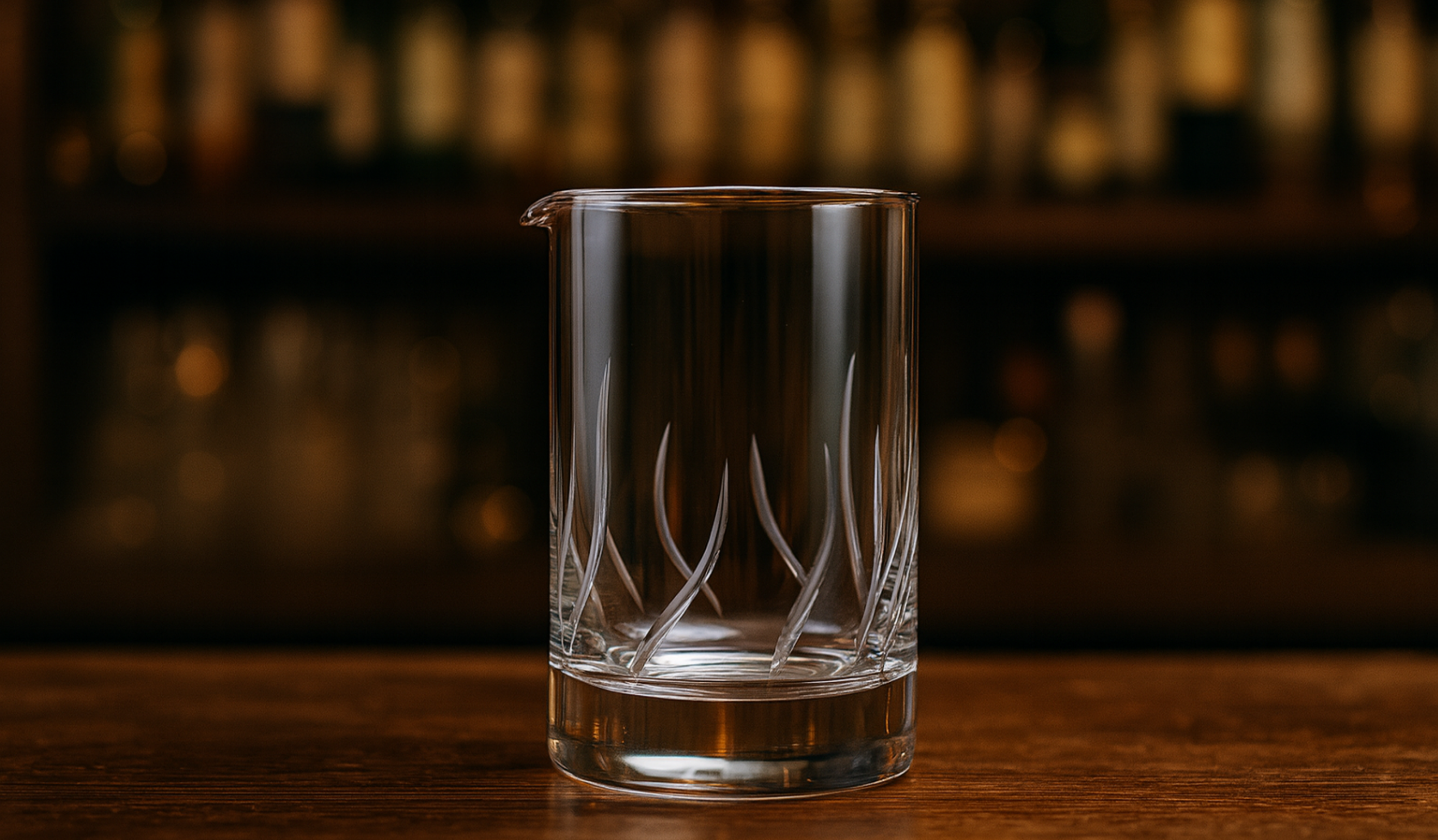
When a cocktail is meant to be stirred rather than shaken, the mixing glass becomes the bartender’s best companion. Spirit forward drinks such as martinis, negronis, and manhattans need gentle stirring to The mixing glass is used for stirred cocktails that require clarity, minimal aeration, and controlled dilution. Stirring chills the drink by allowing ice and spirit to interact through gentle thermal transfer, creating a smooth, silky texture without introducing bubbles or cloudiness. Spirit-forward builds benefit from this style because it preserves aromatics and highlights base spirits rather than masking them behind froth.
Best For
Martinis, Manhattans, Negronis, Boulevardiers, and Old Fashioneds.
Key Design Factors
- Weighted base for stability during stirring
- Wide mouth for spoon clearance and efficient movement
- Integrated spout for a clean, drip-free pour
- Thick walls for better temperature retention and less thermal shock
Material Options
- Crystal or Cut Glass – Provides weight, presentation value, and quiet stirring acoustics
- Stainless Steel – Durable for high-volume service and resistant to breakage
A proper mixing glass supports consistent dilution, clean aromatics, and controlled texture. When used with a bar spoon and julep strainer, it becomes one of the most efficient tools for building composed, spirit-forward cocktails.
3. Bar Spoon Spoon

The bar spoon controls stirring speed, dilution rate, and ingredient layering. Its long, slender profile allows the bartender to move liquids around ice with minimal turbulence, creating a smoother, silkier mouthfeel in spirit-forward drinks. The spiral shaft guides liquid through laminar flow, preventing excess aeration, cloudiness, and unwanted bubbles. This makes the bar spoon essential for cocktails where clarity and temperature control matter.
Functional Uses
- Stirring tall glasses and mixing glasses
- Layering liqueurs, syrups, and cordials for visual separation
- Measuring small volumes (commonly 5 ml)
- Maneuvering garnishes such as olives, cherries, and citrus peels
- Conducting controlled pours down the spine to avoid disrupting carbonation
Design Considerations
- Twisted Spine: Encourages smooth liquid flow and guides spoon rotation
- Weighted Tail: Improves balance, reduces wrist strain, and helps maintain rhythm
- Narrow Bowl: Fits into tight vessels without disturbing ice structure
- Optional Muddler Disc: Allows gentle pressing of herbs or fruit when muddling is not required
Technique and Performance
Stirring with a bar spoon is a technique-driven skill. The spoon should glide around the outside of the ice, not through it, to maintain clarity and prevent ice fracture. Controlled rotation manages dilution steadily, ensuring the drink chills without becoming watery. In layered drinks, the spoon allows heavier syrups to settle below spirits without mixing.
Professional Advantages
A well-balanced bar spoon increases speed and efficiency behind the bar. It minimizes wrist fatigue during service and supports cleaner builds for multi-round batches. In home setups, it prevents over-aeration and makes stirred cocktails taste smoother and more refined.
Pro Tip
Use fingertip rotation rather than wrist rotation. This creates a quiet, fluid motion that chills the drink faster while preserving clarity and aroma.
4. Jigger for Accurate Measuring
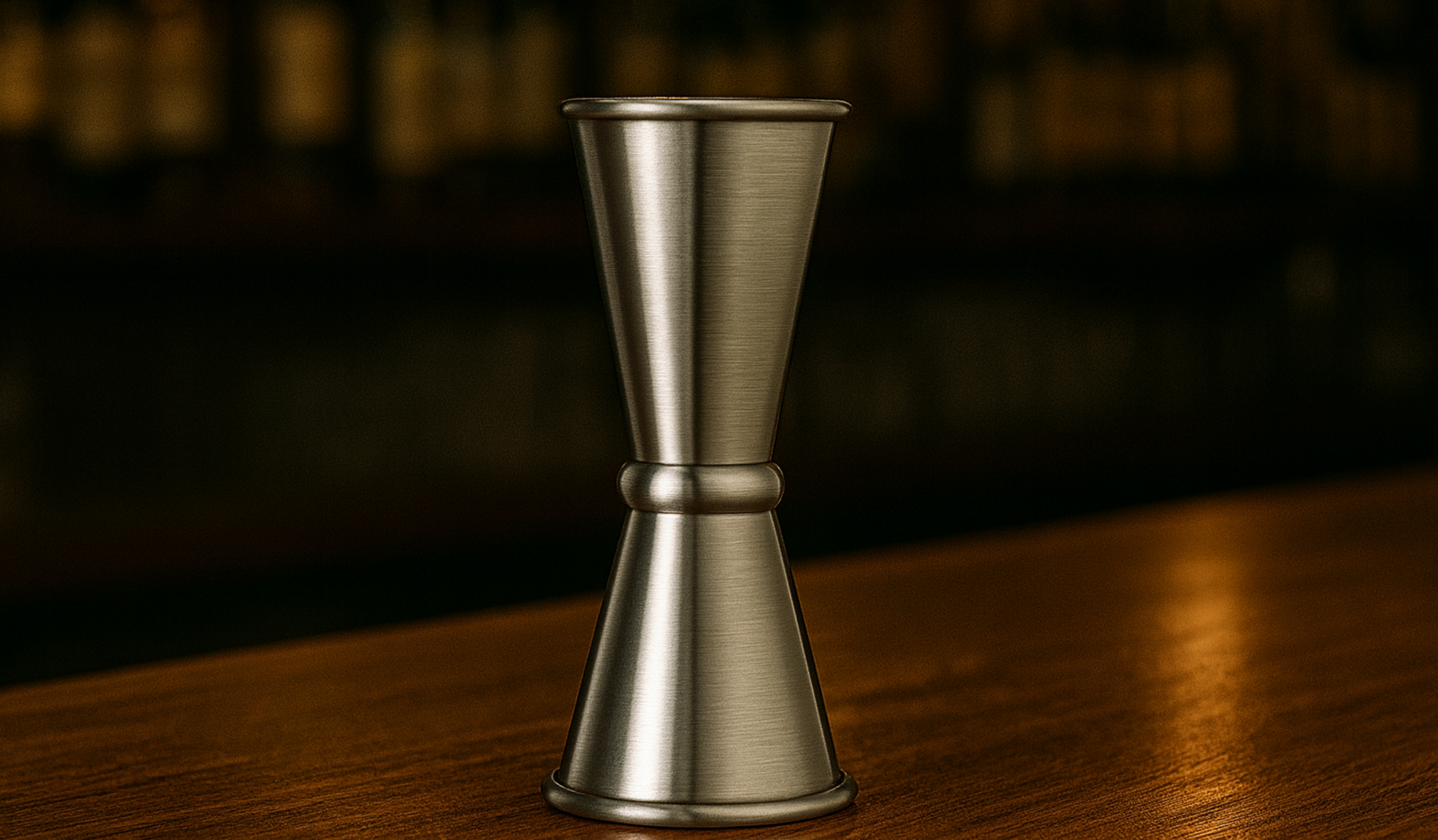
A jigger provides accurate measurement to ensure consistent cocktail balance and predictable ABV. Precise measurement is essential in modern mixology because small changes in spirit, citrus, or sugar dramatically alter acidity, texture, and perceived strength. Without measurement, cocktails risk becoming too boozy, too sweet, or structurally flat. Measurement consistency also supports repeatability, especially when batching or serving multiple guests.
Styles
- Japanese Jigger: Tall, narrow, and marked in fine increments for high precision; favored in professional bar programs.
- Bell Jigger: Rounded body with comfortable grip and smooth handling; preferred for speed and ergonomic flow.
What to Look For
- Interior measurement markings for half and quarter increments
- Compatibility with both metric and US ounces
- Non-slip or textured grip for faster service
- Stainless steel construction for hygiene and durability
Accurate measurement also supports cost control in professional settings by minimizing over-pouring and reducing waste of premium spirits.
Pro Tip
Measure citrus and syrups first, then spirits. This prevents sticky buildup and speeds up rinsing during service.
5. Strainer (Hawthorne, Julep, Fine Mesh)
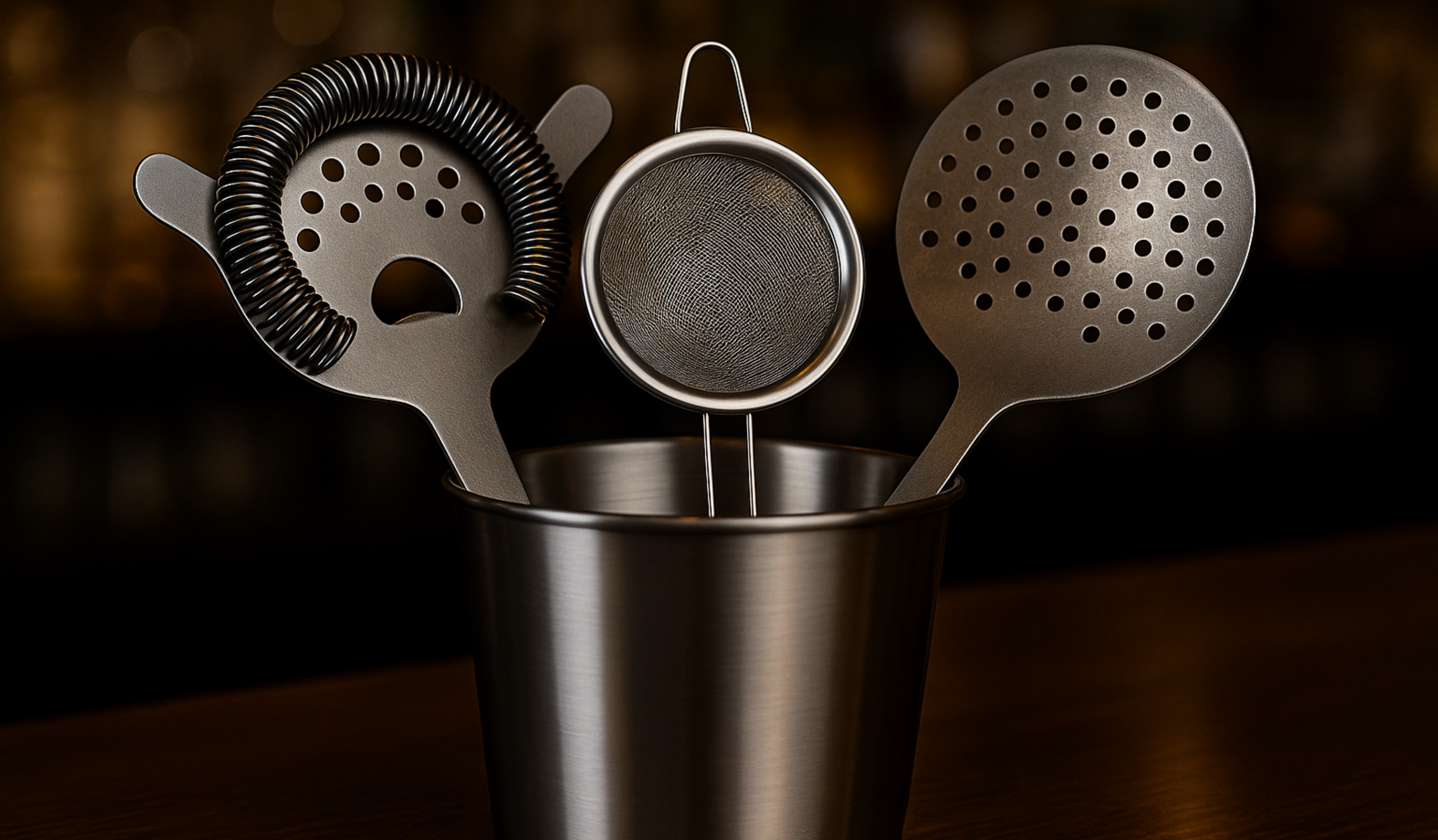
After shaking or stirring a cocktail, a strainer ensures that only the liquid makes its way into the serving Strainers separate ice and solids from finished cocktails, ensuring smooth texture, clean presentation, and consistent mouthfeel. They play a key role in maintaining clarity and preventing over-dilution by stopping ice chips, fruit pulp, and herb fragments from entering the serving glass. Each type of strainer serves a specific function depending on whether the drink was shaken or stirred.
Hawthorne Strainer
The Hawthorne strainer sits over the mouth of a shaker tin and uses a spring coil to catch ice and pulp during the pour. Gate tension affects how quickly liquid passes through, allowing bartenders to control flow rate and foam development in shaken cocktails. This strainer is the default choice for sour-style drinks, egg-white builds, and most shaken recipes.
Julep Strainer
The julep strainer is traditionally used with mixing glasses for stirred drinks. Its perforated bowl design allows spirit-forward cocktails to pour cleanly while preserving texture and clarity. Because stirred builds require minimal aeration, the julep strainer ensures no ice chips disrupt the smooth finish.
Fine Mesh Strainer
A fine mesh strainer filters out small ice shards, citrus pulp, and herb debris for ultra-smooth results. It is often used during double-straining when shaken drinks contain citrus or egg whites. Fine mesh straining is especially valuable for presentation, as it produces clean surfaces and tighter foam layers.
Choosing Tips
- Tight coil for shaken citrus cocktails
- Stainless steel construction for hygiene and durability
- Fine mesh for egg-white drinks, sours, and citrus-forward builds
Double-straining with both a Hawthorne and fine mesh strainer is a common professional technique for achieving a polished finish and balanced mouthfeel.
Pro Tip
Combine a Hawthorne strainer with a fine mesh strainer when working with egg whites, fresh juice, or muddled ingredients to eliminate ice chips and achieve smoother textures.
6. Muddler
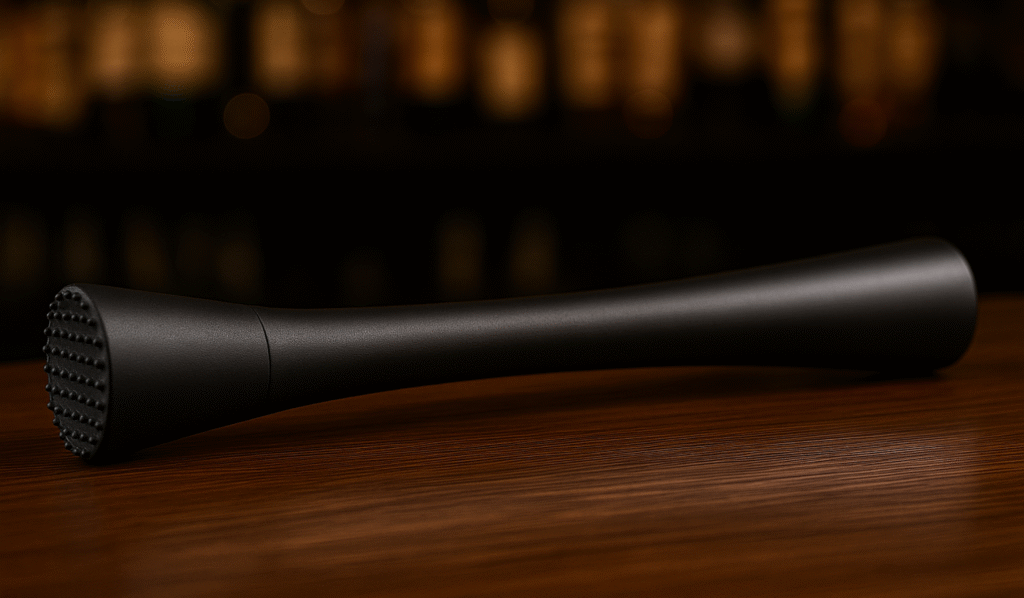
The muddler extracts oils, aromatics, and juices from herbs, citrus, and fruit. Proper muddling enhances flavor by expressing essential oils and breaking fruit cells just enough to release natural sweetness and acidity. The goal is to extract aroma and juice without shredding ingredients or creating bitterness from overworked herbs.
Best For
Mojitos, juleps, smashes, caipirinhas, citrus-forward cocktails, and drinks that rely on fresh herb aromatics.
Types
- Wood – Traditional feel and weight; absorbs moisture and requires hand washing and careful drying.
- Stainless Steel – More sanitary and durable; ideal for busy programs and professional settings.
- Silicone-Tipped – Designed for delicate herbs; reduces risk of bruising or tearing mint and basil.
Technique Notes
Press ingredients gently with controlled pressure rather than pounding or twisting aggressively. Over-muddling mint and other herbs introduces tannins and chlorophyll, resulting in bitter or grassy flavors. When muddling citrus with herbs, crush fruit first to release juice, then add herbs to avoid over-extraction.
Proper muddling adds complexity and freshness to cocktails by elevating aromatics, texture, and sweetness derived directly from raw ingredients.
Pro Tip
If using wooden muddlers, oil them lightly and avoid soaking to prevent cracking and odor absorption over time.
7. Citrus Juicer or Reamer
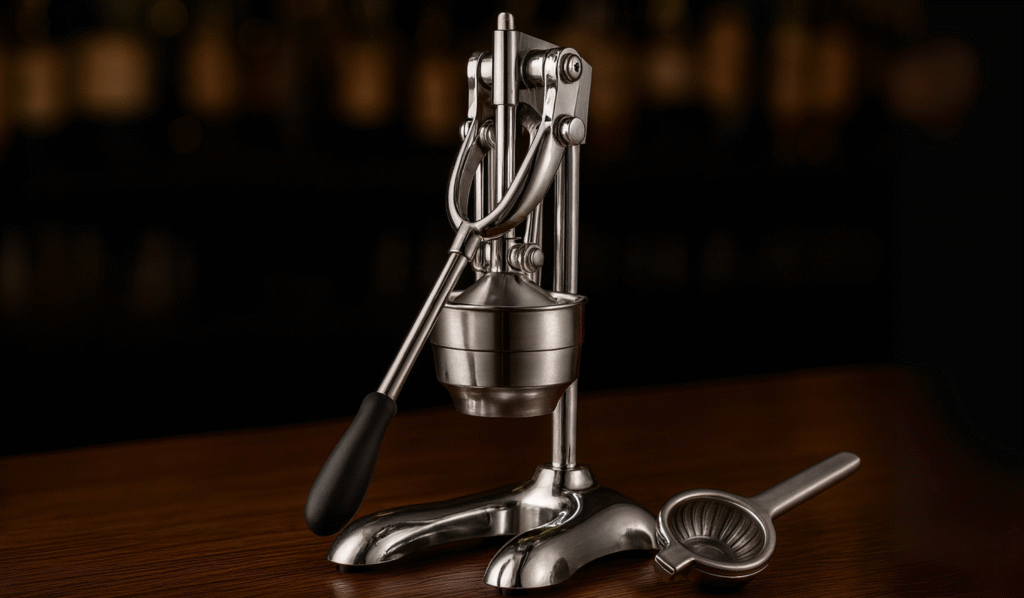
Fresh citrus is one of the most important components in modern cocktails because it directly influences acidity, balance, and aroma. Bottled citrus oxidizes quickly, losing volatile oils that contribute to fragrance and brightness. It also tends to flatten in flavor and shift sweetness-acidity ratios over time. Freshly pressed juice offers sharper acidity, cleaner aromatics, and superior mouthfeel, making it essential for sours, spritzes, highballs, and Collins-style cocktails.
Tool Types
- Handheld Press – Ideal for lemons and limes. These presses extract juice efficiently while filtering seeds and minimizing pulp, making them the standard for quick service.
- Reamer – Suited for oranges and grapefruit or situations requiring more volume with minimal equipment. Reamers produce more pulp and oil, adding texture in certain builds.
- Integrated Press/Strainer Systems – Combine pressing, filtering, and measuring into one tool, allowing for clean batching and prep work at home or in small bar setups.
Yield and Performance
Presses generally produce higher yields than reamers because they apply directional force and compress fruit more fully. Less pulp also means more consistent dilution and foam behavior in shaken cocktails. Reamers extract pulp and essential oils along with juice, which can enhance body and length in citrus-forward drinks.
Why Fresh Citrus Matters
Acidity plays a structural role in cocktails similar to seasoning in cooking. It balances sugar, amplifies spirits, and reinforces aromatic expression. Many foundational cocktail families depend on a proper sour ratio (typically spirit + citrus + sugar), making freshness crucial. Using fresh juice improves perceived brightness, reduces bitterness, and gives a tighter finish.
Technique and Handling
For maximum yield, citrus can be rolled on a flat surface before cutting to break down cell walls and soften the flesh. Fruit kept at room temperature juices better than chilled citrus. For bars, prepping fresh citrus shortly before service ensures consistent acidity and reduces oxidation.
Pro Tip
Strain citrus through a fine sieve when making shaken sours or egg-white drinks to improve foam stability and reduce bitterness from pith and seeds.
8. Ice Tools such as Molds, Mallets, and Picks
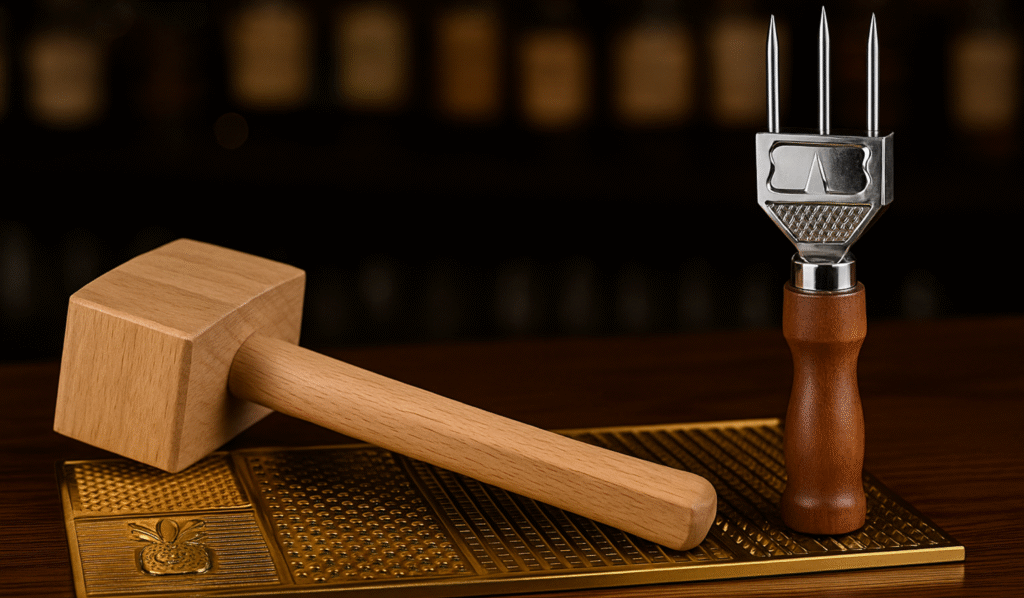
Ice is more than just a way to chill a cocktail. The size, shape, and clarity of the ice directly affect how the dIce is both an ingredient and a temperature control mechanism. Its size, shape, clarity, and surface area directly influence dilution rate, thermal transfer, and texture. Different cocktails require different ice formats because melting speed affects flavor structure and perceived strength.
Ice Forms
- Cube (Standard) – Used for shaking and stirring; provides balanced chill and dilution.
- Sphere – Larger surface area melts slower; ideal for whiskey and spirit-forward builds served over ice.
- Crushed – Preferred for juleps and tiki drinks where fast dilution balances high-proof spirits and syrups.
- Pebble – Small, high-surface ice ideal for spritzes, cobblers, and carbonated cocktails.
- Block Ice – Carved to size; offers the slowest melt and cleanest presentation for high-end service.
Tool Examples
- Silicone Molds for consistent shape and clarity
- Mallets and Canvas Bags for crushed or cracked ice
- Picks for shaping block ice or creating custom chunks
- Directional Freezing Kits for clear ice with minimal trapped air
Why Ice Tools Matter
Clear ice melts slower and prevents off-flavors caused by trapped air or impurities. It also improves presentation by keeping cocktails visibly clean and structurally intact for longer. For shaken drinks, solid standard cubes provide efficient thermal transfer, while crushed ice boosts dilution for recipes that rely on sugar or high-proof rum.
Technique and Workflow Notes
Ice selection impacts recipe design. For example, tiki and julep builds rely on rapid dilution to tame sweetness and strength, while whiskey builds aim to chill without over-watering. Bartenders often keep multiple formats on hand for this reason.
Pro Tip
Use filtered or boiled water for clearer molds, or rely on directional freezing kits for professional-level clarity and slower melt rates.
9. Garnish Tools including Peelers, Channel Knives, and Zesters
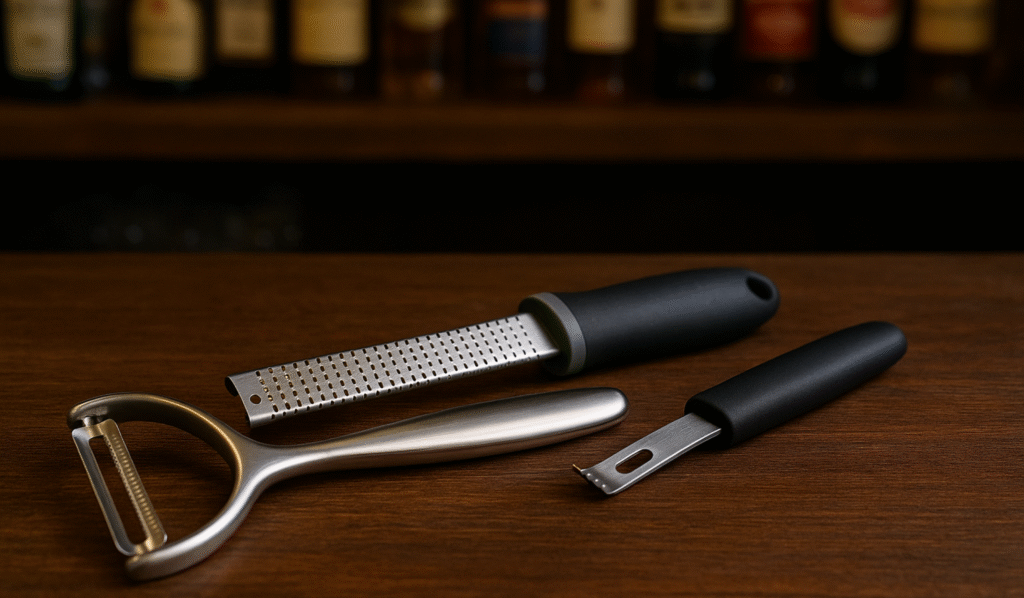
A cocktail is not complete without the finishing touch of a garnish. Beyond decoration, garnishes add Garnishes contribute aroma, acidity, color, and visual identity to a cocktail. Many classic recipes rely on garnishes not just for decoration but for sensory balance. A citrus peel expressed over a drink releases volatile oils that enhance aroma, while herbs and fruit add freshness and context. Garnish tools allow bartenders to shape, trim, and express these elements cleanly and consistently.
Essential Tools
- Peeler – Produces long, wide ribbons of citrus peel with minimal pith for cleaner expressions.
- Channel Knife – Cuts decorative twists and spirals that add visual flair to classic builds.
- Microplane – Grates fine zest for delicate aromatic lift without adding bitterness.
- Tweezer – Provides precision for placing herbs, citrus wheels, and dehydrated garnishes without disturbing foam or ice.
Role of Aroma
Most aromatics hit the nose before the palate, which influences how sweetness, acidity, and strength are perceived. Expressed citrus oils sit at the surface of a cocktail, forming the first sensory impression. Herb garnishes such as mint or basil enhance freshness through natural essential oils released on contact.
Why Garnish Tools Matter
Uniform garnishes elevate consistency and professionalism in both home and bar settings. A clean citrus ribbon not only looks more refined than a hand-torn peel but also expresses more concentrated oils. Similarly, delicate garnishes require the right tools to avoid bruising herbs or over-zesting bitter pith.
Technique Notes
Peel citrus over the glass to capture oils, trim excess pith for balance, and avoid crushing herbs during placement. Good garnish work enhances aroma, reinforces cocktail identity, and creates a finished look that matches the drink’s style.
Pro Tip
Use dehydrated citrus wheels for long-lasting visual appeal in drinks that sit longer, such as spritzes and highballs.
10. Glassware Essentials
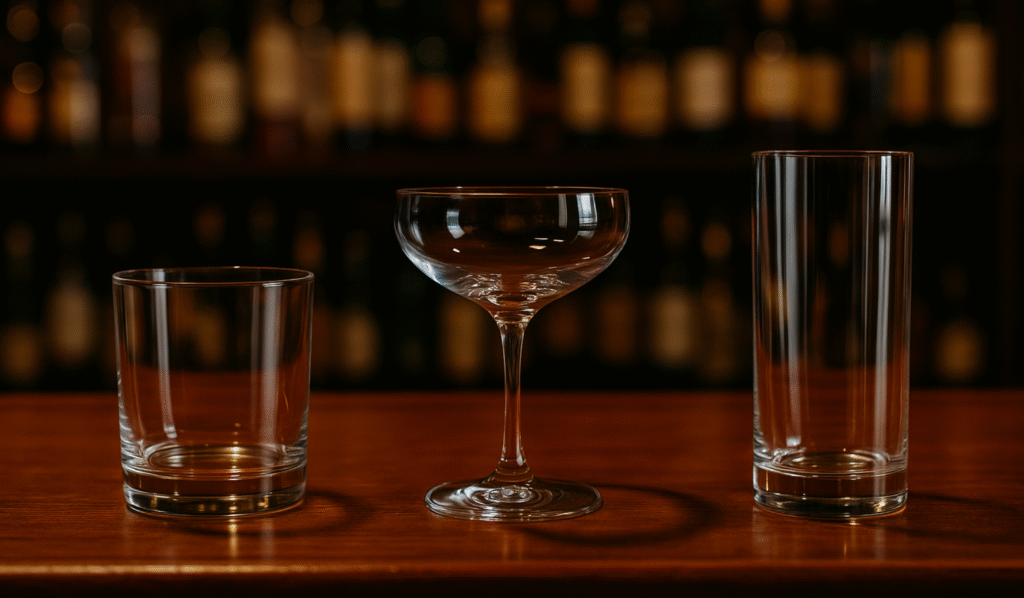
Glassware affects aroma concentration, temperature retention, carbonation behavior, and visual presentation. Different cocktails are designed around specific glass formats because the shape of the bowl, rim, and stem determines how aromas reach the nose, how carbonation dissipates, and how the drink interacts with ice. The right glass enhances both sensory balance and aesthetic appeal.
Core Styles
- Rocks Glass – Designed for whiskey and spirit-forward builds served over ice; accommodates large cubes or spheres and allows comfortable sipping.
- Highball Glass – Tall format for carbonated cocktails and Collins builds; preserves effervescence and provides room for ice to stack vertically.
- Coupe Glass – Shallow bowl for shaken or stirred cocktails served up; promotes clean presentation and prevents fast dilution.
- Nick and Nora Glass – Narrower rim for aromatic builds, enhancing nose-to-palate continuity with minimal evaporation.
- Collins Glass – Slim glass for iced cocktails using crushed or cubed ice; commonly paired with citrus-driven builds.
Factors to Consider
- Stem Length – Reduces heat transfer from the hand to maintain temperature in up cocktails.
- Rim Thickness – Influences perceived texture and mouthfeel; thinner rims feel more elegant and precise.
- Volume Capacity – Ensures proper headspace for garnish, carbonation, and ice structure.
- Bowl Shape – Concentrates aroma for spirit-forward drinks or diffuses it for refreshing builds.
Why Glassware Matters
Glassware reinforces the drink’s identity. A Negroni served in a rocks glass communicates structure and strength, while a French 75 in a flute highlights citrus, bubbles, and elegance. Matching a cocktail to its intended glass format improves aroma, controls dilution, and strengthens presentation.
Pro Tip
Chill coupes and Nick and Nora glasses before service, and freeze rocks glasses for whiskey to preserve temperature longer without over-diluting.
What Makes a Cocktail Tool Essential
Essential cocktail tools directly influence how a drink tastes, smells, feels, and presents. Mixology is not only about combining ingredients; it is a process driven by measurement accuracy, temperature management, dilution control, and aromatic expression. Tools that support these outcomes are considered foundational in both home and professional bars.
Essential Cocktail Tools Do at Least One of the Following
- Measure liquids with accuracy to ensure balance and predictable ABV
- Control dilution and temperature through proper ice interaction and chilling
- Shape aroma and texture by influencing aeration, emulsification, and mouthfeel
- Improve consistency during service so drinks remain repeatable for guests
- Enhance presentation and garnish to heighten visual and aromatic impact
- Support efficiency in batch or high-volume settings without compromising quality
These factors matter because small changes in acidity, sweetness, spirit content, or dilution can dramatically alter how a cocktail is perceived. Precision tools allow bartenders to control these variables instead of leaving them to chance.
Tools that exist purely for decoration or novelty are optional. Tools that affect balance, extraction, technique, and repeatability form the essential category because they directly impact the structure and performance of the drink.
Pro Insight
In modern mixology, consistency is a sign of craftsmanship. A bartender’s tools act as calibration devices that help replicate the same drink across different nights, different guests, and different skill levels.
Additional Cocktail Accessories Worth Considering
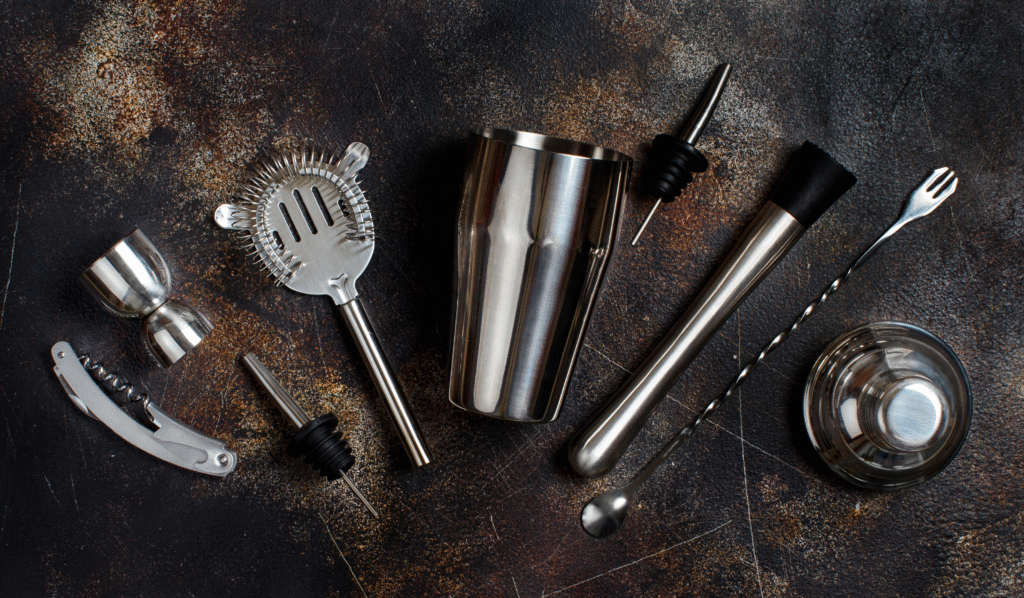
Once the core cocktail tools are in place, bartenders often expand into specialty accessories that increase efficiency, improve presentation, and support creativity. These tools are not mandatory for beginners, but they elevate the drink-making experience by refining workflow and enhancing aesthetic detail.
Aroma Tools
- Spritzers for applying absinthe, citrus oils, or aromatized wines to enhance nose and finish
- Smoking Kits for introducing subtle wood aromatics that complement whiskey, mezcal, or aged rum builds
Aroma tools modify the first sensory impression of a cocktail, making them useful for spirit-forward and aromatic recipes.
Batching Tools
- Pitchers and Servers for making large-format cocktails for events or groups
- Pour Spouts for speed and controlled flow when free-pouring spirits or syrups
These tools help maintain consistency during higher-volume service or home entertaining.
Organization Tools
- Bar Caddies for storing straws, picks, napkins, and stirrers
- Speed Rails for keeping high-use bottles within immediate reach
- Storage Bins for chilled garnishes, ice, or prep items during service
Good organization reduces clutter and shortens build time behind the bar.
Plating & Garnish Tools
- Cocktail Picks and Skewers for securing olives, cherries, or citrus peels
- Dehydrators for drying citrus wheels, pineapple slices, and botanicals for long-lasting garnishes
These accessories enhance visual appeal and make cocktails feel more intentional and refined.
Specialty accessories are not required for basic cocktail preparation, but they contribute to faster service, improved presentation, and broader creative possibilities, especially for bartenders serving guests or experimenting with advanced builds.
Matching Tools to Your Bartending Level
Not every bartender needs the same tools at the same time. A smart way to build a bar kit is to match your tools to your skill level, the types of drinks you make, and how often you serve guests. This prevents unnecessary spending while ensuring you have what you need to execute recipes properly.
Beginner
Core tools for learning fundamentals and building classic cocktails:
- Shaker
- Jigger
- Strainer
- Basic glassware
These tools allow beginners to measure accurately, chill properly, and make most shaken and stirred builds.
Intermediate Home Bartender
Tools for expanding flavor range and improving presentation:
- Mixing glass
- Bar spoon
- Citrus press
- Garnish tools
At this level, bartenders start focusing on dilution control, stirring technique, and fresh citrus balance.
Advanced or Professional
Tools for speed, precision, and creative control during service:
- Ice tools
- Clear ice kits
- Specialized glassware
- Aroma spritzers
- Batching tools
Advanced setups support larger menus, high-volume service, and refined garnish and aroma expression. They also allow bartenders to optimize workflow and produce repeatable results.
Skill progression simplifies purchasing decisions and avoids buying clutter. Building tools over time also helps bartenders develop technique intentionally rather than relying on gadgets they do not yet need.
Materials, Food Safety, and Durability
Tool materials influence sanitation, longevity, tactile feel, and overall performance in both home and professional bars. Choosing the right material ensures that tools are safe to use with acidic ingredients, easy to clean, and capable of withstanding repeated handling and washing.
Stainless Steel
- Preferred for sanitation and durability
- Resists corrosion when exposed to citrus and alcohol
- Compatible with commercial dishwashers and high-volume use
- Avoid soft alloys that pit, rust, or transfer metallic flavors
Stainless steel is the standard material for shakers, jiggers, strainers, and bar spoons because it maintains structural integrity and hygiene over time.
Wood
- Requires oiling and gentle hand washing to prevent cracking
- Not ideal for high-acidity ingredients that stain or break down fibers
- Absorbs aroma and moisture, which can lead to contamination if not cared for properly
Wood offers traditional feel and aesthetics, especially for muddlers, but demands maintenance and has a shorter lifespan in busy environments.
Glass
- Crystal is preferred for clarity, weight, and presentation value
- Thick walls improve temperature retention during stirring
- Breakable, requiring careful handling during service and cleaning
Mixing glasses made from crystal provide better visual cues for dilution and are commonly used in spirit-forward builds.
Silicone
- Useful for molds, mats, and non-slip surfaces
- Flexible structure makes it ideal for producing ice shapes and reducing breakage
- Food-safe options withstand freezing without cracking or absorbing odor
Silicone tools complement, rather than replace, metal or glass tools in most bar setups.
Material choice affects not only performance but also food safety. Tools that resist corrosion, do not absorb flavors, and remain easy to sanitize offer better long-term value and consistency.
2026 Trends in Bar Tools
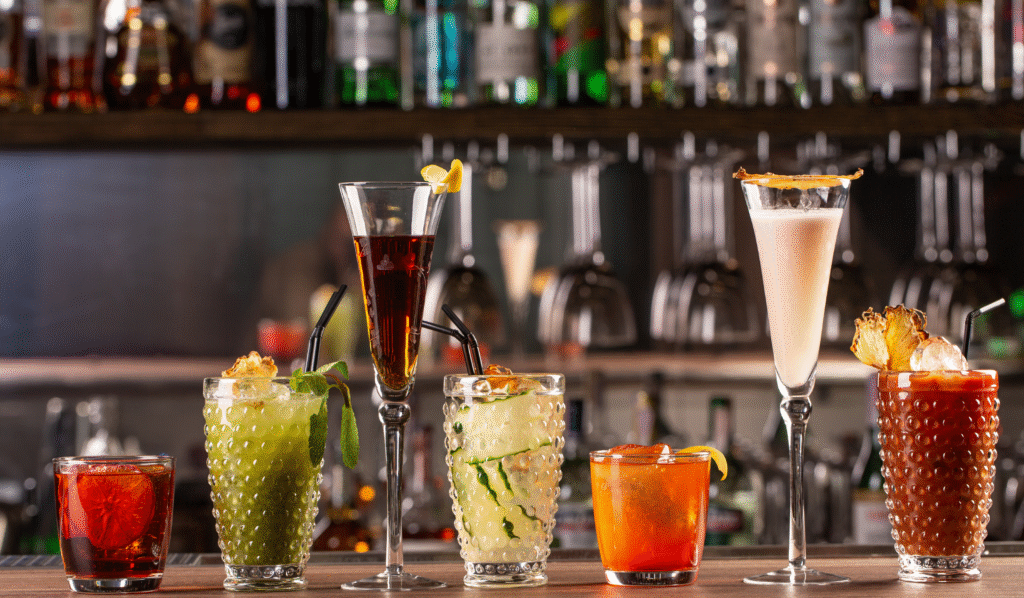
Contemporary bar tools are evolving beyond novelty gadgets toward practical improvements in sustainability, ergonomics, and sensory performance. As cocktail culture becomes more ingredient-driven, bartenders and home enthusiasts are choosing tools that support precision, reduce waste, and enhance drink quality.
Key Trends
- Reusable and low-waste designs
- Recycled stainless steel
- Insulated shaker technology
- Clear ice production at home
- Ergonomic grips for volume service
- Minimalist Scandinavian and Japanese aesthetics
Many of these trends are driven by both environmental considerations and workflow efficiency. Low-waste bar systems favor reusable materials over disposable plastics, and recycled metals have become common in premium barware. Ergonomic improvements address hand strain during long shifts, especially for shaking, stirring, and repeated jiggering.
Clear ice molds and directional freezing kits have also become popular for home use, allowing enthusiasts to replicate the clarity and slow melt rate seen in cocktail bars. Minimalist design influences from Scandinavia and Japan focus on clean lines, neutral finishes, and tools that serve both functional and visual roles in the bar.
Innovation now focuses on sustainability, comfort, and temperature control rather than novelty, resulting in bar tools that improve both drink performance and long-term usability.
FAQs
Do you need a jigger to make cocktails?
Yes. Measuring ensures balanced recipes and consistent ABV. Without a jigger, drinks can become too strong, too sweet, or structurally unbalanced. Consistency is especially important when making multiple rounds for guests or batching drinks. In professional settings, jiggers also reduce waste and control cost by preventing over-pouring of premium spirits.
How many tools do you need for a home bar?
Most home bartenders perform well with 6 to 10 core tools. These include a shaker, jigger, strainer, citrus press, bar spoon, and basic glassware. Additional tools such as garnish tools and mixing glasses elevate presentation and temperature control but are not mandatory for beginners. Starting with essentials prevents clutter and makes it easier to learn core techniques before expanding.
What shaker do bartenders prefer?
Most professionals prefer Boston shakers for speed and seal reliability. The tin-on-tin design separates quickly, which is crucial during busy service or multi-drink rounds. Cobbler shakers appeal to beginners because of their built-in strainer, but they are slower and can freeze shut when very cold. Many cocktail bars now use hybrid or insulated shakers to improve grip and manage condensation behind the bar.
Conclusion
A well-equipped bar setup does not require dozens of gadgets. The shaker, jigger, mixing glass, strainer set, bar spoon, citrus press, ice tools, garnish tools, and proper glassware form the essential toolkit for consistent, balanced, and visually impressive cocktails in 2026. These tools benefit beginners and professionals alike by supporting precision, efficiency, and creativity. Those seeking durable, professional-grade barware can explore curated selections at Wine-N-Gear.