The Evolution of Wine Glass Design: From Ancient Times to Today
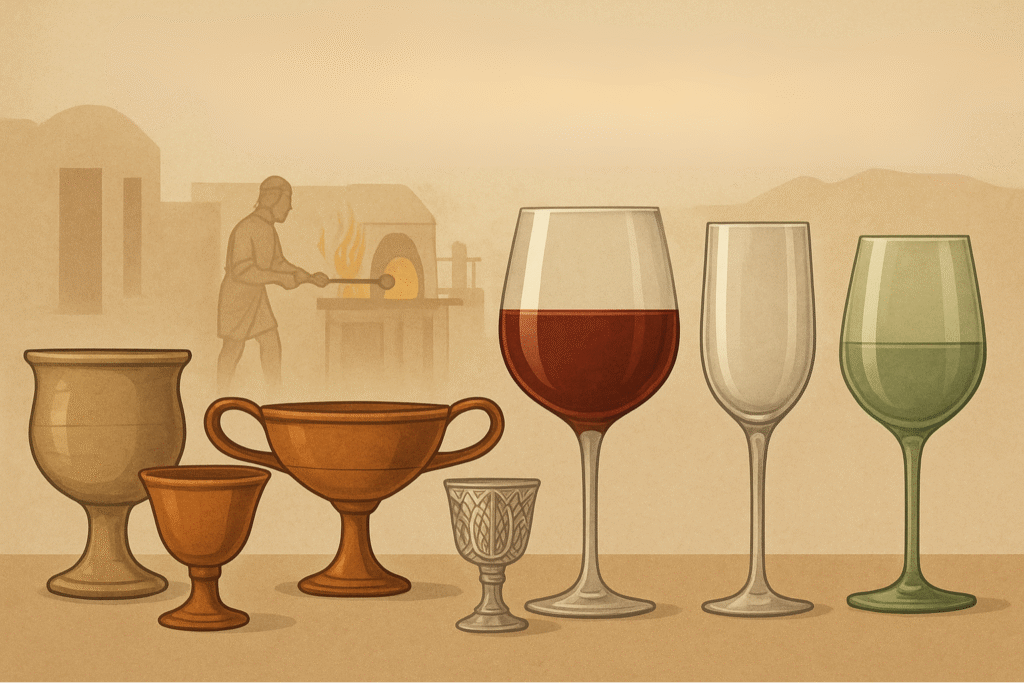
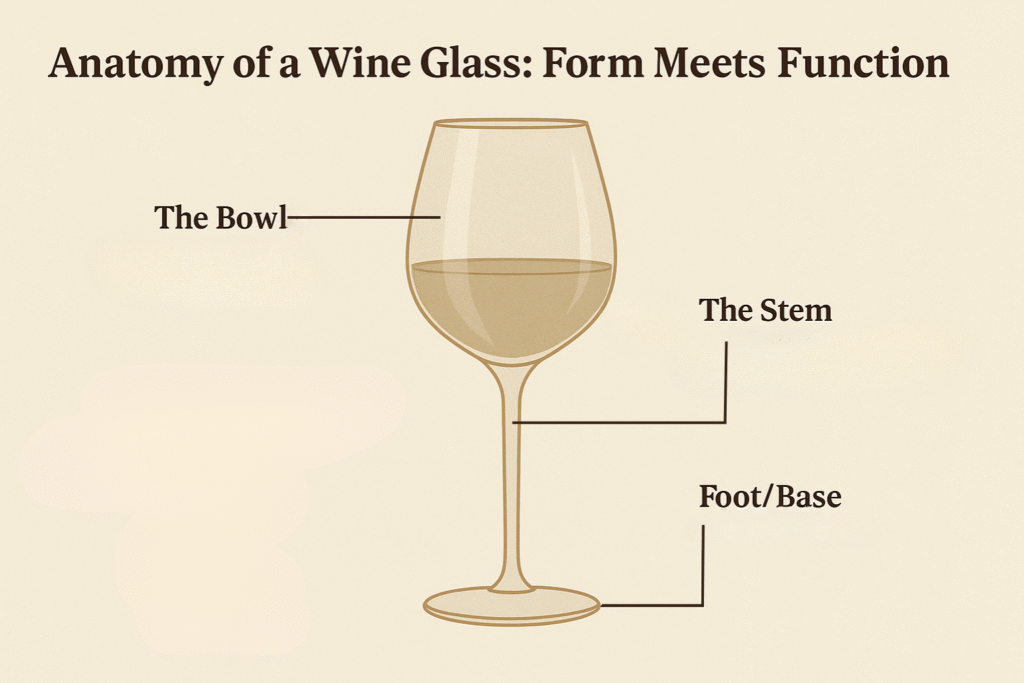
Wine glasses are more than simple vessels. They embody centuries of craftsmanship, cultural traditions, and evolving science. A wine glass typically consists of three parts: the bowl, which cradles the wine and releases aromas; the stem, which keeps hands from warming the liquid; and the foot, which provides balance. While these parts may seem straightforward, the journey to refine their design has been anything but. Across eras and continents, wine glasses have mirrored artistry, social ritual, and innovation. Their design continues to influence how we experience the bouquet, flavor, and character of every pour.
Key Takeaways
- Wine glass design reflects history as it evolved from ancient clay and metal vessels to refined glass forms we know today.
- Cultural traditions shaped glassware, with Greece, Rome, and Venice influencing artistry and function across centuries.
- Scientific insights transformed wine glasses, proving that bowl shape, size, and curvature affect aroma and taste.
- Modern innovations expanded materials, from crystal and lead-free options to durable acrylics and smart glassware.
- Sustainability drives current trends, with recycled glass and eco-friendly methods redefining how wine gear is made.
Ancient Origins: Early Vessels and Drinking Traditions
Prehistoric and Early Civilizations
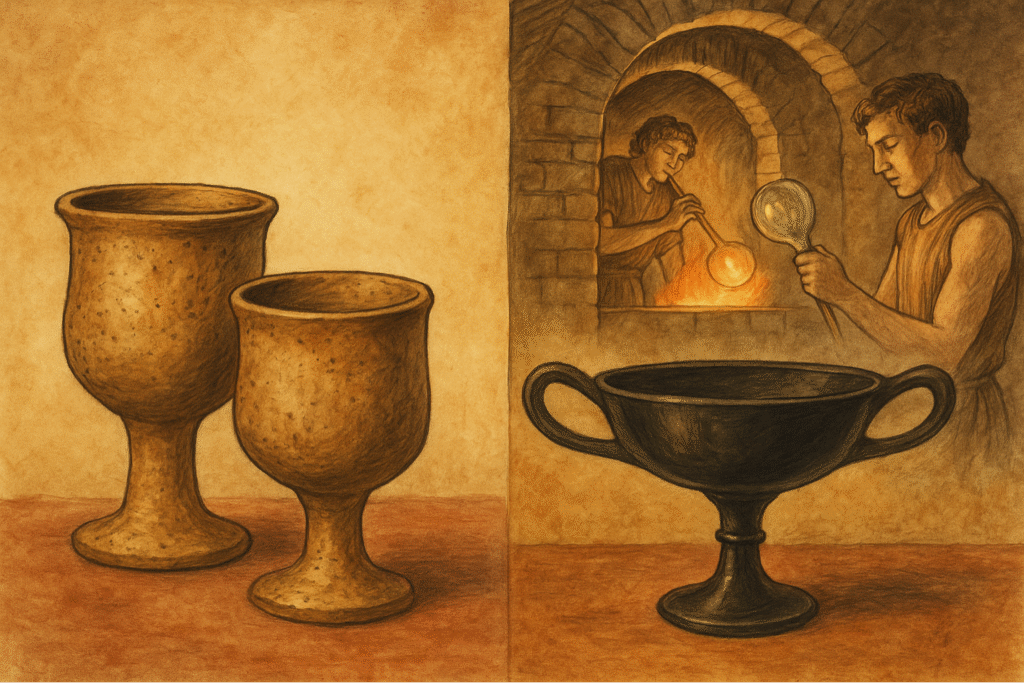
Before glassmaking, people relied on clay cups, hollowed gourds, and even shells to hold fermented drinks. Archaeological sites in Mesopotamia reveal clay goblets etched with symbolic motifs, while Egyptian tombs contain alabaster chalices reserved for nobility. In China, bronze and ceramic vessels documented in Shang dynasty tombs remind us that wine’s earliest containers were as much ceremonial as practical. These materials limited transparency, making aesthetics and ritual more prominent than aroma or flavor enhancement.
Classical Antiquity – Greece, Rome and the Mediterranean
In ancient Greece, the kylix was celebrated: shallow bowls with wide handles designed for social gatherings and symposiums. Romans elevated glassware further, developing blown-glass techniques that gave rise to clearer, more refined shapes. Sand casting and glassblowing allowed for variety: deeper goblets, intricate etchings, and forms that blended artistry with purpose. These vessels were not only utilitarian but status symbols, communicating wealth and refinement.
Glassmaking Innovations in the Ancient World
Phoenician glassblowers pioneered new methods that spread across Alexandria and beyond. Glass became less opaque, lighter in weight, and more adaptable to decoration. The transition from basic silica to advanced clarity represented a leap that allowed wine drinkers to not only taste but admire the appearance of wine, adding a new sensory layer to the experience.
Middle Ages to Renaissance: Transition & Ornamentation
Medieval Europe and Islamic World Influence
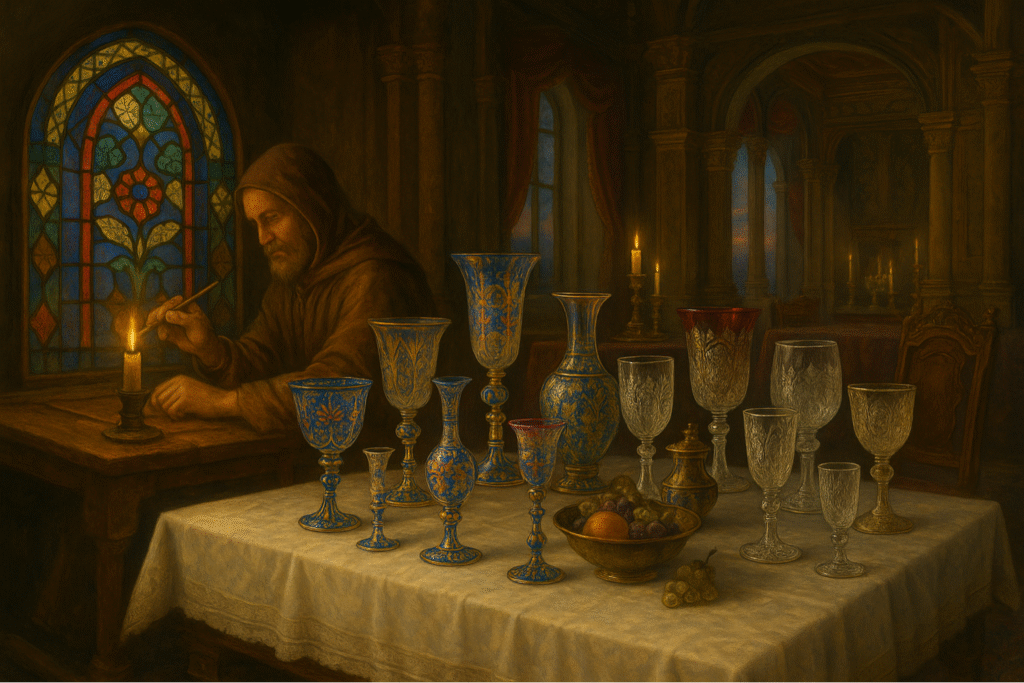
During Europe’s Middle Ages, wood and metal dominated daily drinking vessels, but Islamic artisans preserved and perfected the art of glass. Their stained and colored glass techniques later influenced European glassmakers, ensuring that artistic and practical glassware continued to evolve. Trade routes such as the Silk Road introduced new ideas and designs, creating cross-cultural innovation.
Renaissance Era: Art, Luxury, and Emerging Glass Centers
The Venetian island of Murano became synonymous with excellence in glassmaking. Techniques like millefiori and delicate filigree elevated glassware into luxury goods. Meanwhile, Germany and Bohemia rose as centers for engraving and crystal innovations, while France perfected lead glass that offered unparalleled brilliance. Wine glasses of this era were prized not only for their ability to hold wine but also for their artistry, often becoming heirlooms.
Functionality & Social Aspects in Wine Glass Use
Wine glasses became intertwined with etiquette. The proportions of stem to bowl reflected changing dining customs, while glassware depicted in Renaissance art underscored the symbolic role of wine in celebrations, religion, and social order. The design served both form and meaning.
Industrial Revolution & 19th-Century Advances
Mass Production & Mechanization
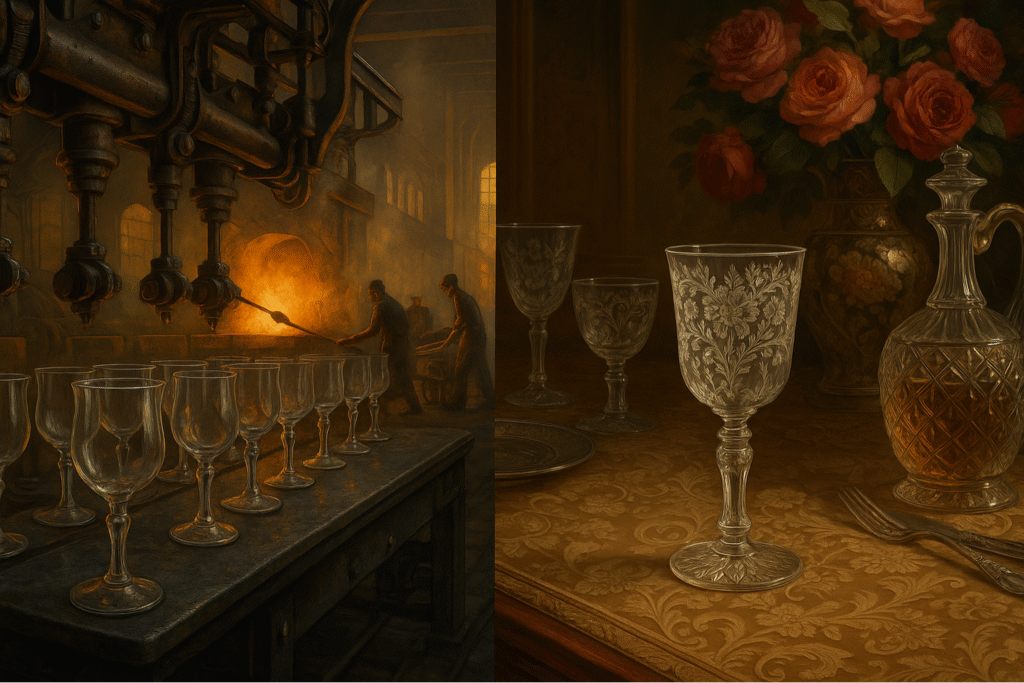
The Industrial Revolution democratized access to wine glasses. Pressed and machine-blown glass lowered costs, making elegant glassware accessible to middle-class households. For the first time, standardized shapes appeared, allowing for consistency across sets. The glass ceased being a luxury reserved for nobility and became part of everyday dining.
Changing Styles: Victorian Aesthetics & Art Nouveau
The Victorian age prized ornamentation, and glassmakers responded with cut patterns, engravings, and bold designs. As Art Nouveau arrived, organic motifs replaced strict symmetry, reflecting a cultural desire for beauty inspired by nature. These decorative choices highlighted how wine glasses often mirrored broader artistic movements of their time.
20th Century: Modernism, Functionality, and Wine Science
Modernist Movements & Minimalism
By the mid-20th century, Modernist and Bauhaus principles emphasized clean lines and practicality. Glasses became less ornate, favoring elegance through simplicity. This era valued functionality, shaping the modern silhouette we often recognize today.
Wine Science & Glass Shape Experimentation
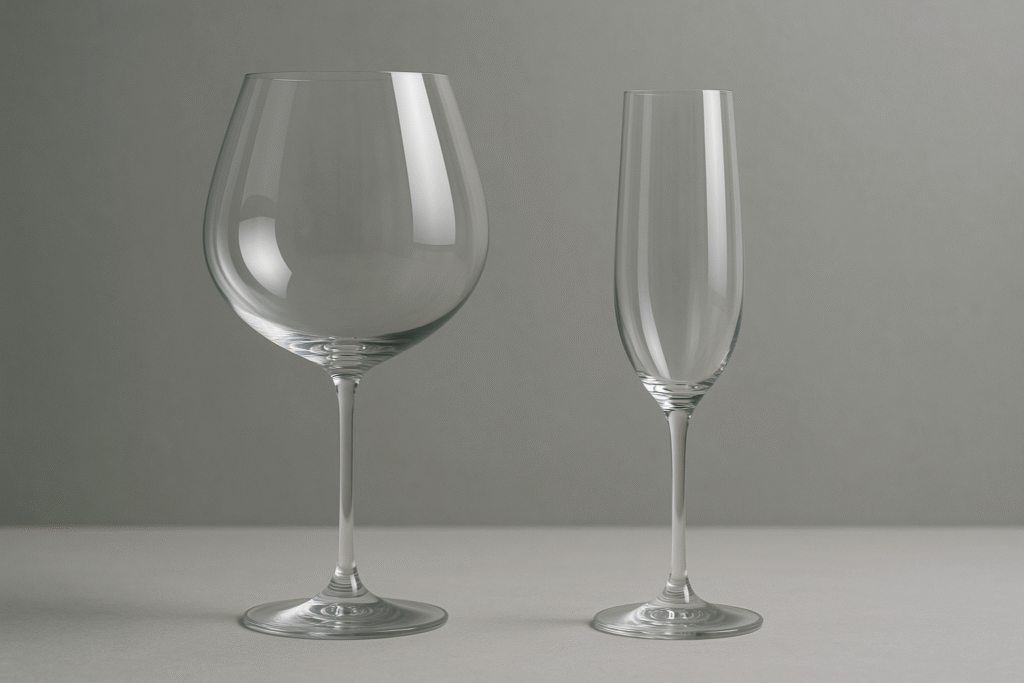
Scientific studies revealed how the curvature and size of bowls influenced the release of aromas and the taste experience. Burgundy glasses with wide bowls encouraged aeration, while Champagne flutes concentrated bubbles and aromas.
Materials Beyond Glass & Innovations
Crystal dominated the premium segment, but concerns over lead encouraged innovation. Lead-free crystal emerged, combining brilliance with safety. Casual drinkers embraced acrylics and tempered glass for outdoor use, underscoring how context shaped material choice.
Contemporary Trends & Global Influences (21st Century)
Customization, Branding & Lifestyle Trends
Today’s wine glasses reflect lifestyle and identity. Personalized engravings, collaborations with luxury brands, and collections tailored for social media aesthetics have transformed glasses into more than tools. They are now accessories for modern entertaining and branding statements.
Sustainable & Eco-Friendly Design
Eco-conscious consumers are driving a new wave of glassmaking. Recycled glass, low-energy kilns, and sustainable packaging have become integral to modern production. Long-lasting designs aim to reduce waste, balancing elegance with responsibility.
Technology & Smart Design Innovations
The rise of “smart glassware” introduces sensors that measure temperature or interact with apps. 3D printing allows for experimental prototypes, while new coatings improve durability and clarity. These innovations highlight how tradition meets cutting-edge technology in the world of wine glass design.
Regional Styles & Cultural Differences
Europe vs Americas vs Asia vs Africa – Comparing Design Traditions
European glassmakers continue to dominate luxury traditions, with Bohemia, France, and Italy leading the craft. In the Americas, practicality and durability often merge with artistry, reflecting a diverse wine culture. Asian traditions, rooted in communal drinking and diverse fermented beverages, adapt glassware to suit local rituals. African practices incorporate indigenous materials that honor heritage.
Rituals & Ceremonial Glassware
Wine glasses hold significance in more than leisure. Religious chalices, ceremonial cups, and indigenous designs embody spiritual and cultural meaning. These vessels remind us that wine glass design transcends utility, entering realms of heritage and symbolism.
Anatomy of a Wine Glass: Form Meets Function
The Bowl: Shape, Volume, Curvature
The bowl is the canvas of the wine experience. Its size determines aeration, while its curvature directs aromas toward the nose. Tulip shapes highlight complexity, wide goblets emphasize bold reds, and slender flutes celebrate effervescence.
The Stem vs Stemless Debate
Stems allow wine to remain at ideal temperatures, but stemless designs offer casual versatility. The debate reflects lifestyle choices: tradition versus modern informality. Both have their place, and preference often depends on occasion.
Foot/Base and Balance
A glass’s stability lies in its base. A well-proportioned foot ensures balance, preventing spills while complementing the elegance of the stem and bowl. Even subtle differences here affect the tactile experience.
How to Choose a Wine Glass Today: Matching Wine to Glass
Wine Types & Recommended Glass Shapes
Selecting the right glass can transform wine tasting. Red wines flourish in larger bowls that emphasize depth, while whites reveal freshness in narrower vessels. Rosé thrives in slightly tapered glasses, sparkling wines sparkle best in flutes or tulip glasses, and dessert wines find balance in smaller, concentrated bowls.
Practical Considerations: Price, Durability, Care
Buyers weigh investment against practicality. While crystal offers unmatched elegance, budget-friendly options provide accessibility. Dishwasher-safe models appeal to convenience, while collectors favor hand-blown craftsmanship that requires care.
Collecting and Displaying Wine Glasses
Wine glass collections are a statement of personal taste. Displays range from minimalist racks to illuminated cabinets. Collectors prize clarity and preservation, polishing glasses to maintain their brilliance for years.
Why the Evolution of Wine Glasses Matters for Today’s Enthusiasts
As we trace the path of wine glass design through centuries of innovation and artistry, one truth stands out: these glasses are far more than functional vessels. They are living reflections of history, shaped by ancient rituals, cultural exchanges, scientific breakthroughs, and the enduring pursuit of beauty. Every curve, every stem, and every detail tells a story of how humanity has chosen to celebrate one of life’s most timeless pleasures.
The next time you hold a glass of wine, you are holding a piece of that journey, an object that connects you to the past while shaping the way you experience the present. In our work at Wine-n-Gear, we honor this legacy. We carefully curate wine gear that carries forward centuries of design wisdom while embracing the innovations of today.