How Long Does Champagne Last After Opening? Storage Tips for Sparkling Wines
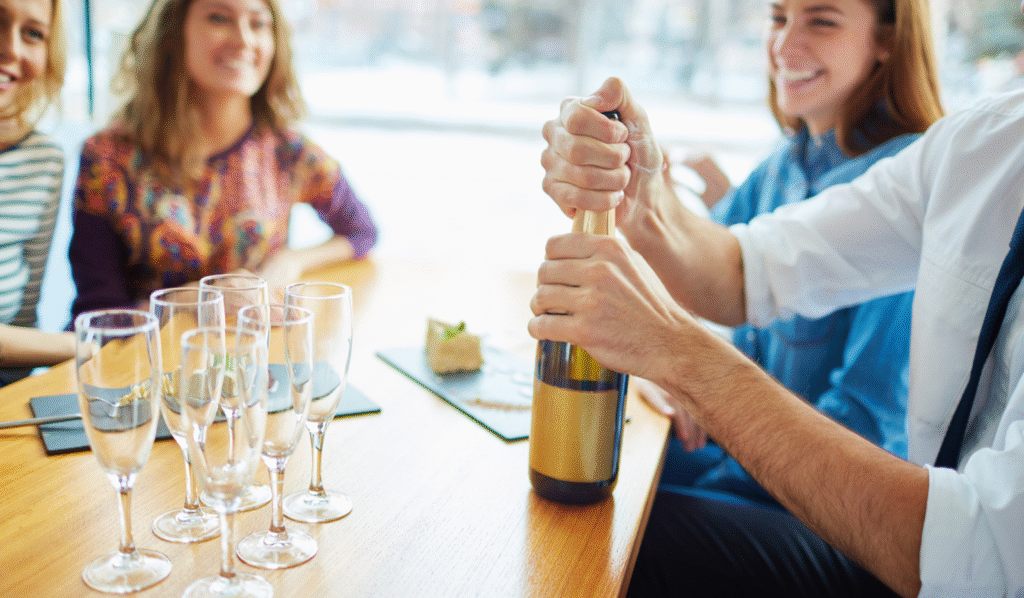
When the cork pops, Champagne’s sparkle feels endless, but its freshness isn’t. Once opened, oxygen begins to break down the bubbles that make every sip special. How long your bottle stays lively depends entirely on how you store it. Whether you’re saving a premium vintage or finishing a glass of Prosecco tomorrow, understanding storage makes all the difference between fizz and flatness.
An opened bottle of Champagne typically lasts three to five days if sealed tightly and kept in the refrigerator, but only about a day if left uncovered.
Understanding how Champagne ages after opening helps you preserve its flavor, maintain its bubbles, and make the most of every bottle of sparkling wine.
Key Takeaways
- Opened Champagne stays fresh for 3–5 days when sealed with a proper Champagne stopper and stored upright in the refrigerator. Without a stopper, it goes flat within a day.
- Temperature and seal quality are crucial. Cold, stable storage slows oxidation and keeps bubbles intact; warm or fluctuating temperatures cause rapid fizz loss.
- Unopened bottles last years, not days. Non-vintage Champagne keeps for 3–4 years, while vintage bottles can age beautifully for a decade under proper cellaring conditions.
- Flat Champagne isn’t wasted. Once it loses its sparkle, it can still enhance cooking, cocktails, and desserts with its acidity and flavor depth.
How Long Does Champagne Last After Opening
Opened Champagne usually stays fresh for three to five days in the refrigerator when sealed with a proper Champagne stopper. This tight seal helps maintain the pressure inside the bottle so the bubbles and flavor remain lively. Without a stopper, the fizz begins to fade within a few hours and the wine tastes flat by the next day.
| Storage Method | Location | Lifespan | What Happens |
| With Champagne stopper | Fridge | 3–5 days | Bubbles mostly intact, flavor remains crisp |
| Without stopper | Fridge | Up to 1 day | Rapid fizz loss, muted taste |
| Sparkling wine (Prosecco, Cava, Rosé) | Fridge | 2–3 days | Slightly shorter freshness window |
Once air enters the bottle, carbonation escapes and the wine begins to oxidize. As bubbles disappear, the texture softens and the flavor dulls. Cooler temperatures slow this process, keeping the wine bright and refreshing for longer.
Store opened Champagne upright in the refrigerator to minimize contact with air. An airtight seal and steady cold temperature help preserve the sparkle and delicate aromas for several days, allowing you to enjoy each pour almost as fresh as the first.
How to Tell If Champagne Has Gone Bad

Champagne rarely spoils in a way that makes it unsafe to drink, but its quality can fade quickly once it’s been opened. The longer it’s exposed to air, the more it changes in aroma, color, and texture. Here’s how to tell if your bottle has lost its charm.
Flat texture
If the bubbles are gone and the pour looks still and lifeless, the Champagne has gone flat. The effervescence is what defines its elegance, so once that sparkle disappears, the drinking experience changes completely.
Sour or vinegar-like aroma
A sharp, sour, or musty scent signals oxidation. Fresh Champagne should smell clean and crisp, with notes of fruit and brioche. Any unpleasant odor means the wine has been exposed to too much air.
Bitter or sharp taste
When oxidation progresses, the acidity shifts and the flavors become harsh. Instead of tasting fresh and balanced, the wine may feel thin, bitter, or metallic on the palate.
Darker yellow or brown tint
If the color turns noticeably darker, it’s a sign the wine has aged beyond its ideal point or was exposed to heat. Properly stored Champagne should remain pale and clear, even after a few days in the fridge.
Can you still drink it
Technically yes, but it won’t be enjoyable. Flat Champagne is safe to consume, yet it loses the light, refreshing quality that makes it special. If it smells unpleasant or tastes sour, it’s better to pour it out and open a new bottle.
How to Store Opened Champagne Properly
Preserving Champagne is all about limiting air exposure and keeping the temperature consistently cold. Small details in storage make a big difference in how long the bubbles and flavor last.
1. Use a Champagne Stopper or Wine Saver
A Champagne stopper, designed specifically for sparkling wines, locks in pressure and slows the release of carbon dioxide. This helps maintain the effervescence and crisp texture for several days. Regular wine corks are not airtight enough to protect the bubbles.
2. Refrigerate Immediately
Cold temperatures slow oxidation and help preserve carbonation. Keep opened bottles between 4°C and 7°C (39°F to 45°F), ideally in the middle section of the refrigerator rather than the door. Temperature stability is key to maintaining both freshness and flavor.
3. Store the Bottle Upright
An upright position minimizes the amount of liquid in contact with air, which reduces oxidation. This storage method also helps prevent leaks or changes in the cork that could let air in. Sideways storage, recommended for unopened still wines, is not suitable for opened sparkling bottles.
4. Avoid Freezing or Warm Surfaces
Do not freeze Champagne to chill it faster. Freezing expands the liquid, which can alter the texture and cause the bubbles to disappear once thawed. Likewise, leaving it on a warm countertop dulls the aroma, flattens the flavor, and accelerates carbonation loss.
Handled properly, an opened bottle can stay lively and enjoyable for several days, preserving the delicate balance that makes Champagne special.
How Long Does Unopened Champagne Last?
Unopened Champagne can stay in excellent condition for years, but how long it lasts depends on its type, quality, and how it’s stored. Proper cellaring keeps the bubbles fine, the aroma complex, and the flavor vibrant.
| Type | Shelf Life | Storage Conditions |
| Non-vintage Champagne | 3–4 years | Cool, dark place (10°C–13°C or 50°F–55°F) |
| Vintage Champagne | 5–10+ years | Properly cellared, away from light and vibration |
| Prosecco, Cava, and other sparkling wines | 2–3 years | Store upright, avoid temperature changes |
Vintage Champagnes mature beautifully because they are made from higher-quality base wines and undergo longer aging during production. Over time, their flavors deepen and develop subtle notes of brioche, honey, and toasted nuts.
Non-vintage Champagnes, on the other hand, are blended for immediate enjoyment. They are best consumed within a few years of purchase to appreciate their lively acidity and fresh fruit character.
Regardless of type, store unopened bottles in a consistently cool, dark place. Avoid direct sunlight, heat, or frequent movement, as these can cause premature aging and dull the sparkle long before the bottle is opened.
Storage Tips for Different Sparkling Wines
Not all sparkling wines age or keep their bubbles in the same way. Each style has its own carbonation level, production method, and sugar balance, which influence how long it stays fresh after opening.
Champagne
High pressure and fine bubbles give Champagne better resilience. When sealed with a proper stopper and stored in the refrigerator, it can stay fresh for up to five days without losing its brightness or texture.
Prosecco
Produced using the Charmat method, Prosecco has larger, softer bubbles that fade more quickly. It is best enjoyed within two to three days of opening while it still tastes light and aromatic.
Cava
Cava is made in the same traditional method as Champagne but has a slightly lighter body. It generally stays fresh for about three days when properly sealed and chilled.
Sparkling Rosé
Slightly sweeter and more delicate in flavor, sparkling rosé oxidizes faster than other styles. It is best consumed within two days to enjoy its fresh fruit notes and lively mousse.
If you often open multiple bottles, investing in a sparkling wine preservation set is worthwhile. It helps maintain carbonation, prevents oxidation, and ensures every pour tastes as intended.
Common Myths About Keeping Champagne Fresh
There are plenty of home tricks that claim to keep Champagne bubbly, but most don’t make any real difference. Knowing what actually works saves you from disappointment and wasted wine.
- “Put a spoon in the neck.”
This old myth suggests that placing a metal spoon in the bottle keeps the bubbles from escaping. In reality, it doesn’t affect gas pressure or carbonation at all. The only way to preserve fizz is by sealing the bottle tightly with a proper Champagne stopper.
- “Leaving it at room temperature overnight is fine.”
Champagne is highly sensitive to heat. When left at room temperature, the wine warms up, oxidation speeds up, and the bubbles quickly disappear. Always store it in the refrigerator after opening to slow down this process.
- “You can revive flat Champagne.”
Once carbon dioxide escapes, the effervescence cannot be restored. You can’t make flat Champagne sparkle again, but you can put it to good use in cooking, sauces, or cocktails where the flavor still adds depth and elegance.
Expert Tips to Extend Shelf Life
- Seal immediately after pouring
Close the bottle as soon as you finish serving instead of waiting until the next day. Keeping air out from the start helps preserve both the bubbles and the flavor.
- Keep the temperature stable
Store the bottle in a consistent, cold environment. Avoid moving it in and out of the refrigerator since temperature changes accelerate oxidation and dull the taste.
- Use it creatively after three days
If the Champagne begins to lose its sparkle, don’t waste it. Use the remaining wine in sauces, marinades, risotto, or desserts for a subtle, elegant flavor.
- Upgrade your stopper
A high quality Champagne stopper that locks in pressure performs far better than a simple clip or cork. Vacuum based or pressure seal stoppers help maintain carbonation for several days longer. At Wine-n-Gear, we offer a curated collection of premium Champagne stoppers designed to preserve freshness, flavor, and fizz, keeping every celebration sparkling even after the bottle has been opened.
How to Repurpose Leftover Champagne
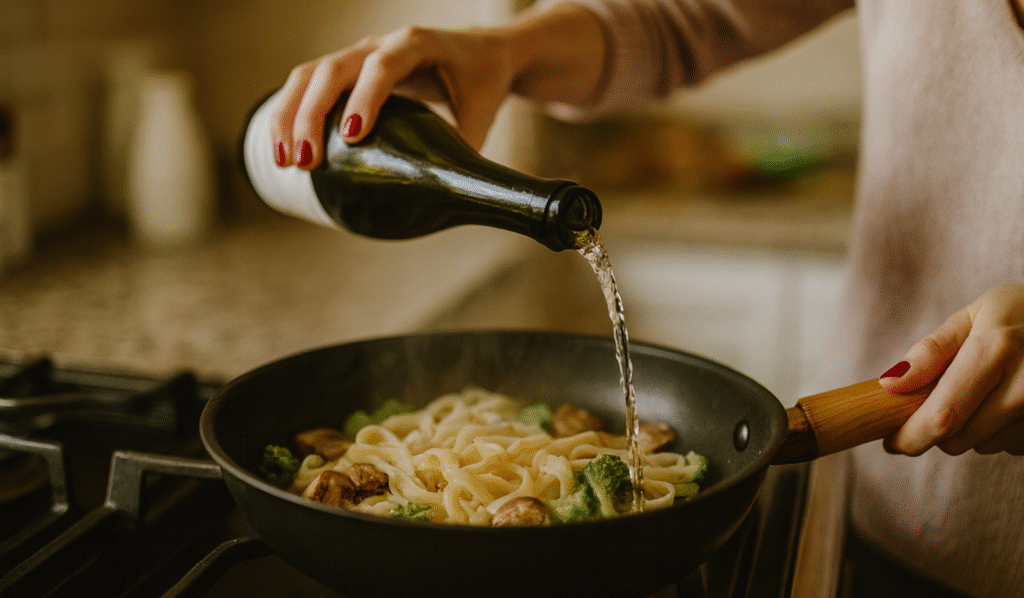
Even when the bubbles have faded, Champagne still has plenty of character and depth that can enhance food and drinks. Instead of pouring it down the drain, give it a second life in the kitchen or bar.
- Cooking
Use leftover Champagne in savory dishes like risotto, creamy pasta sauces, or when poaching pears and other fruits. The acidity and subtle sweetness add balance and sophistication to recipes.
Transform flat Champagne into new drinks such as mimosas, Bellinis, or French 75s. The gentle sparkle that remains blends beautifully with citrus, liqueurs, and spirits.
- Desserts
Incorporate Champagne into sorbets, gelatin desserts, or glazes for cakes and pastries. Its light fruit and floral notes elevate simple sweets into something special.
A day-old bottle may no longer dazzle in the glass, but it can still bring elegance and flavor to the kitchen, turning leftovers into something worth celebrating.
Keeping the Sparkle Alive
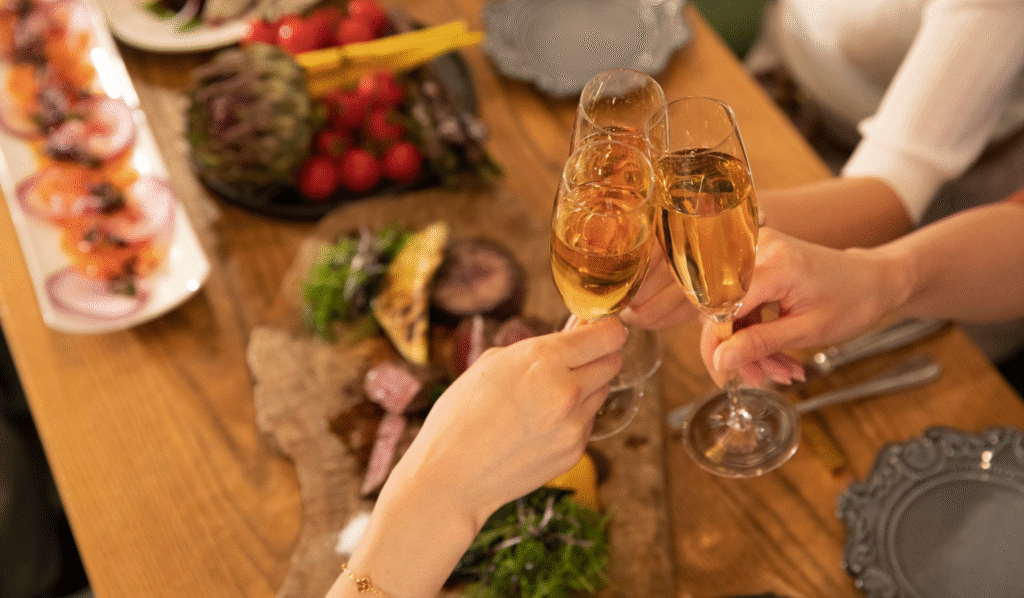
Champagne may lose its bubbles faster than we’d like, but with the right storage and tools, its charm can linger for days. The key is understanding how temperature, air exposure, and sealing methods work together to protect the fine balance of flavor and fizz. A quality Champagne stopper and prompt refrigeration can make all the difference between a flat leftover and a glass that still feels celebratory. Whether you’re enjoying the final pour or repurposing what remains in your cooking, every drop can still bring a touch of elegance when handled with care.
FAQs
How long does Champagne last once opened without a stopper?
An opened bottle of Champagne without a stopper usually lasts up to one day in the refrigerator before losing its bubbles completely. The carbonation escapes quickly once exposed to air, and by the next day, the wine will taste flat and muted. If you plan to enjoy it later, always reseal it immediately with a Champagne stopper to preserve the fizz.
Can you drink Champagne that has been open for a week?
It is generally safe to drink, but the quality will have declined significantly. After a week, Champagne becomes oxidized, the bubbles disappear, and the flavor turns dull or sour. While it won’t harm you, it won’t taste pleasant either. At that point, it is better used for cooking than drinking.
Does sparkling wine last longer than Prosecco?
Yes, in most cases. Sparkling wines made using the traditional method, such as Champagne or Cava, retain their bubbles and structure longer because they undergo secondary fermentation in the bottle. Prosecco, which is made using the Charmat method, has lighter bubbles that fade faster. Even under proper storage, Prosecco usually stays fresh for only two or three days after opening.
What is the best way to keep Champagne fizzy overnight?
Seal the bottle tightly with a Champagne stopper and store it upright in the refrigerator. Cold temperatures slow down carbonation loss, and keeping the bottle upright reduces the surface area exposed to air. Avoid using makeshift covers like spoons or plastic wrap, as they do not prevent gas from escaping.
Can you store leftover Champagne for cooking?
Yes, leftover Champagne can be used for cooking for up to three or four days after opening, as long as it is stored in the refrigerator with a tight seal. Even without bubbles, its acidity and flavor work beautifully in sauces, risottos, and desserts. The key is to keep it cold and covered to preserve its aroma and freshness for as long as possible.