Global Wine Production Statistics: Which Countries Make the Most Wine?
Italy produces the most wine in the world by volume, followed by France and Spain. Together, the three countries account for roughly half of global wine production in a typical year, according to recent data from the International Organisation of Vine and Wine (OIV) and industry trade estimates.
Global wine production is highly concentrated among a relatively small group of countries, with Europe leading both in planted vineyard acreage and total output. While aggregate world production has remained broadly stable over the past two decades, the geographic distribution of wine production is shifting due to climate pressure, water scarcity, export strategy, and evolving consumer demand.
In a typical vintage, the world produces 260 to 280 million hectoliters (Mhl) of wine—equivalent to approximately 26 to 28 billion liters. Within that total, Italy, France, and Spain dominate, while a second tier of New World producers—including the United States, Argentina, Chile, Australia, and South Africa—accounts for most of the remainder.
The world now manufactures less bulk table wine than in previous decades and more premium, region-specific, and sparkling wines. Consumption patterns in North America, Europe, and Asia, combined with shifting export markets, have accelerated this premiumization trend.
Key Takeaways
- Italy is the world’s largest wine producer by volume.
- Italy, France, and Spain collectively produce approximately 45% to 50% of global wine output.
- Europe accounts for roughly half of the world’s wine production and the majority of vineyard acreage.
- The United States is the largest producer outside Europe and the largest consumer by value.
- Sparkling wine is the fastest-growing category, led by Prosecco and premium English sparkling.
- Climate volatility is increasing year-to-year production variation, especially in Europe.
- The industry is transitioning from volume maximization to profitability and premiumization.
Global Wine Production: How Much Wine the World Makes
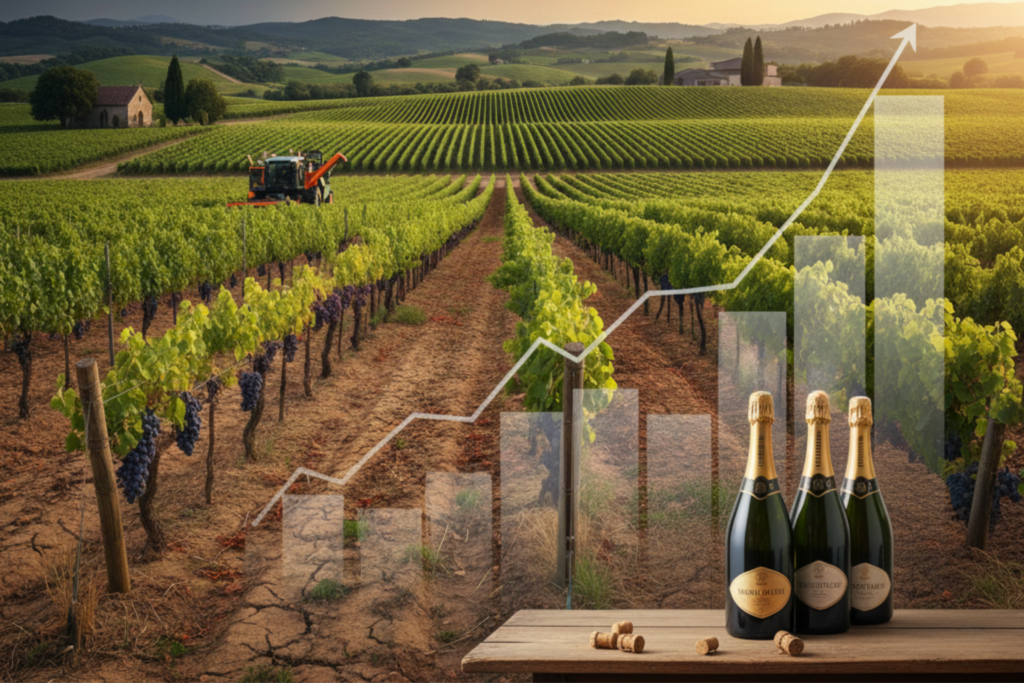
Global wine production averages 260–280 Mhl per year, though recent harvests have shown higher volatility due to extreme weather. The 2024 vintage marked a 60-year low, driven largely by drought and heat waves across Europe, while 2025 is forecast to show modest recovery.
Historically, production expanded significantly from the mid-20th century to the early 2000s before plateauing. Since 2010, output has remained stable in volume but more uneven geographically:
- Southern Europe experienced weather-related declines
- South America saw irrigation constraints
- North America shifted toward premium pricing
- Oceania expanded mechanized viticulture
- Cooler regions (e.g., Southern England, Oregon) gained viability
While total output has not grown meaningfully, value per liter has increased, especially in Champagne, Burgundy, Napa, and premium sparkling categories.
Top Wine Producing Countries
In a typical recent harvest year, the top producers rank as follows (rounded production ranges):
- Italy — 45–49 Mhl
- France — 40–48 Mhl
- Spain — 30–35 Mhl
- United States — 20–25 Mhl
- Australia — 10–12 Mhl
- Argentina — 9–12 Mhl
- South Africa — 9–11 Mhl
- Chile — 8–13 Mhl
- Germany — 7–9 Mhl
- Portugal — 6–7 Mhl
These ten countries represent more than 80% of global wine production, while Europe alone accounts for roughly half.
Country Deep Dives
Italy — The Global Leader by Volume
Italy remains the largest wine producer in the world, often contributing close to one-fifth of global output. Major producing regions include Veneto (Prosecco), Tuscany (Chianti), Piedmont (Barolo and Barbaresco), Apulia, and Sicily.
Italy benefits from:
- large vineyard acreage
- diverse DOC/DOCG classifications
- strong export infrastructure
- balanced domestic consumption
The United States, Germany, and the United Kingdom are key export markets, with Prosecco representing a major driver of growth in sparkling and retail channels.
France — The Premium Value Leader
France competes closely with Italy for the top spot in volume and leads the world in export value. Bordeaux, Burgundy, Champagne, the Rhône Valley, and Provence anchor the highest-value regions in the global wine economy.
While France typically produces less wine than Italy, it commands higher prices due to:
- protected appellations
- iconic terroirs
- branding based on geographic origin
- scarcity-driven prestige categories (e.g., Grand Cru Burgundy)
Climate volatility—including heat spikes, mildew pressure, and drought—has increased harvest variability in recent years.
Spain — Largest Vineyard Acreage in the World
Spain holds the largest planted vineyard surface globally at nearly 950,000 hectares, but lower yields per hectare place it behind Italy and France in total volume.
Production centers on:
- Rioja
- Ribera del Duero
- Penedès
- Castilla-La Mancha
Spain exports both bulk and premium wines, with red blends and Tempranillo-dominant regions gaining global share.
United States — Largest Producer Outside Europe
The United States is the fourth-largest wine producer and the largest wine consumer by value. California accounts for 80–90% of U.S. production, supported by Oregon and Washington’s premium Pinot Noir and Cabernet Sauvignon offerings.
The U.S. market is shaped by:
- direct-to-consumer winery sales
- premium varietal labeling
- strong restaurant and ecommerce distribution
- high import penetration for European wines
The U.S. also imports more wine by value than any other country, outpacing the United Kingdom and Germany.
Australia — Export-Oriented and Mechanized
Australia produces 10–12 Mhl annually, led by regions such as the Barossa Valley, McLaren Vale, Riverina, and Margaret River. The country is highly export-focused, with China once serving as its largest market before tariff impacts redirected flows toward the United Kingdom, the United States, and Southeast Asia.
Drought cycles and water rights remain ongoing constraints in the Murray–Darling Basin.
Argentina — High-Elevation Vineyards and Malbec
Argentina specializes in high-elevation viticulture centered in Mendoza. Production ranges from 9–12 Mhl annually, with drip irrigation fed by Andean snowmelt. Glacier retreat and changing snowpack dynamics have raised long-term water security concerns.
Domestic wine consumption is high, though premium Malbec has become a strong global export category.
South Africa — Resilient and Export-Balanced
South Africa produces 9–11 Mhl per year and maintains a balanced mix of domestic consumption and export. Chenin Blanc and Cabernet Sauvignon are foundational varietals, with exports concentrated toward the United Kingdom and Northern Europe. The industry has endured multi-year drought but continues to expand its premium profile.
Chile — Predictable Climate, Export-Driven Production
Chile produces 8–13 Mhl annually, though recent vintages have been affected by drought and wildfire activity. Cabernet Sauvignon, Carmenere, and Sauvignon Blanc dominate production. Chile remains one of the most export-oriented wine economies in the world.
Germany — Premium Cool-Climate White Wines
Germany produces 7–9 Mhl annually, with Riesling as the flagship varietal. Vineyard acreage is comparatively limited, and domestic consumption absorbs much of production. Warming temperatures have increased the viability of Pinot Noir and sparkling wines.
Portugal — Lower Volume, High Value Density
Portugal produces 6–7 Mhl per year and is globally recognized for Port, Vinho Verde, and dry Douro red blends. Portugal captures high export value relative to volume, with the United Kingdom and the United States serving as major consumption markets.
Export vs Domestic Consumption: Two Different Wine Economies
Countries can be divided by whether they primarily export wine or consume it domestically.
Export-driven producers include:
- Italy
- France
- Spain
- Australia
- Chile
- South Africa
- Portugal
Producers with strong domestic consumption include:
- United States
- Argentina
- Germany
Understanding this distinction is important because export-driven economies are more sensitive to trade tariffs, shipping rates, distribution costs, and currency fluctuations, while domestic-driven economies are more sensitive to retail trends, restaurant demand, and consumer price elasticity.
Old World vs New World Production Models
The global wine landscape is often described as Old World versus New World.
Old World countries (Europe):
- Italy
- France
- Spain
- Portugal
- Germany
New World countries:
- United States
- Australia
- Argentina
- Chile
- South Africa
Old World wines emphasize appellation systems, geographic origin, and centuries of tradition. New World producers emphasize varietal labeling, brand building, mechanization, and export-driven strategy. These models are converging as Old World regions adopt more market-oriented approaches and New World regions elevate terroir expression and regional identity.
Why Wine Production Fluctuates
Annual volatility in wine production is higher than most agricultural sectors due to the sensitivity of grapes to environmental stress. Key drivers include:
- Frost, hail, and heat waves during flowering and ripening
- Drought and water rights constraints
- Disease pressure from mildew and mold
- Labor shortages during harvest
- Trade tariffs affecting export strategy
- Shifts in vineyard plantings to higher-value varietals
- Consumer preference for premium wines at lower volumes
In recent years, climate volatility has become the dominant factor behind yield variation, especially in France, Spain, and Chile.
Climate Pressure and Geographic Shifts
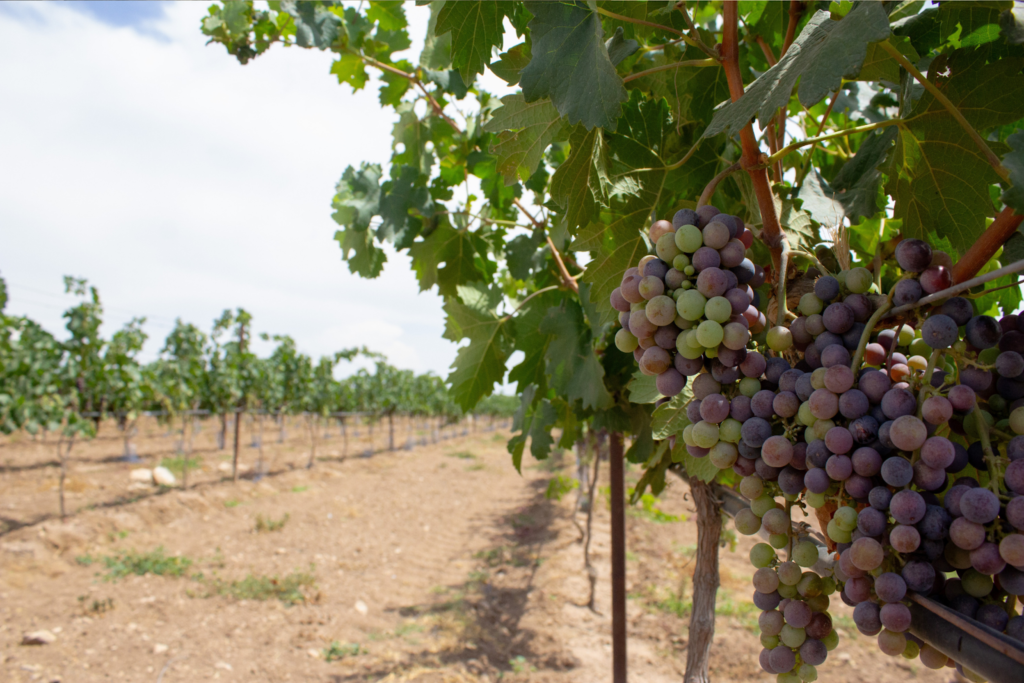
Climate change is reshaping the geography of wine production. Several trends are now visible:
Cooler regions gaining potential:
- Tasmania
- Oregon
- Patagonia
- Southern England
- Canada’s Okanagan Valley
- Scandinavia in experimental phases
Heat-tolerant regions adapting with:
- Grenache
- Tempranillo
- Nero d’Avola
- Touriga Nacional
Elevated and coastal zones have gained importance due to diurnal temperature variation and moderating maritime influence.
Water scarcity is emerging as the defining constraint in South America, California, and parts of Australia. Glacier-fed irrigation systems in Mendoza and Chile rely on snowpack that is declining over time.
Premiumization and Changing Consumer Demand
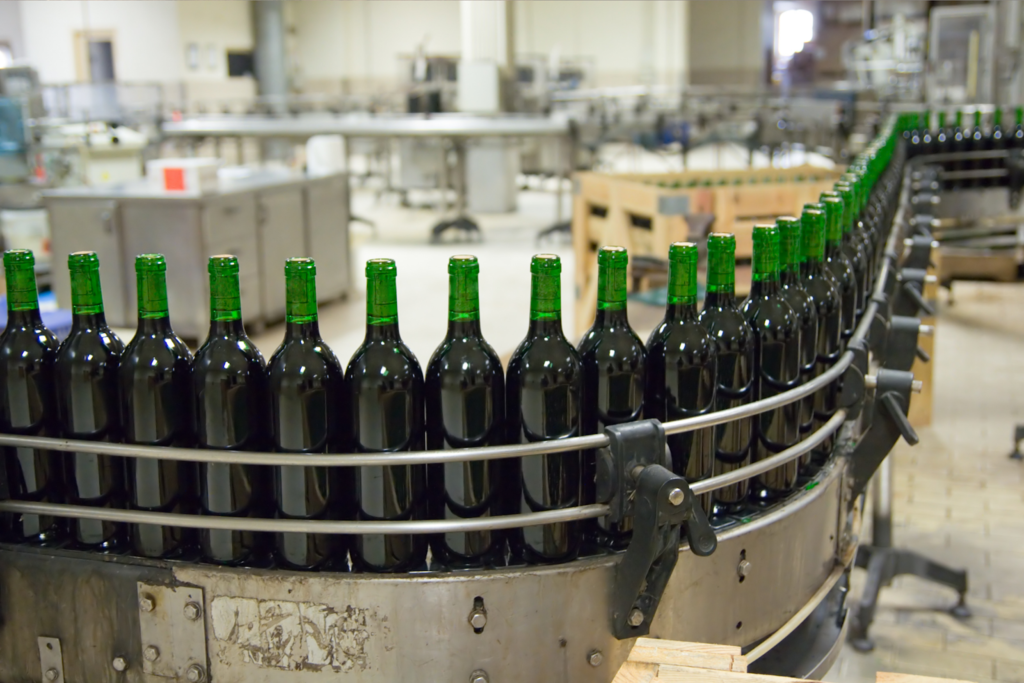
Global wine consumption has shifted away from bulk table wine toward premium regional and varietal wines. This trend has reduced total volume in some countries but increased export value and profitability.
Premiumization is most advanced in:
- United States
- France
- United Kingdom
- Japan
- Northern Europe
Bulk wine production has contracted, particularly in Spain and parts of southern France. At the same time, sparkling wine has grown faster than still wine, with Prosecco and Cava gaining significant global share.
Emerging Regions and Varietal Migration
New regions are entering global production maps not only due to climate opportunity but also due to consumer curiosity and tourism.
Notable emerging producers include:
- United Kingdom (sparkling wine)
- Sweden and Denmark (experimental)
- Brazil (Serra Gaúcha)
- China (Xinjiang, Ningxia)
- Canada (British Columbia and Ontario)
- Mexico (Baja California)
Varietal migration is also underway as producers replant vineyards with grapes better suited to future temperature profiles, water availability, and disease pressure.
Five to Ten Year Outlook
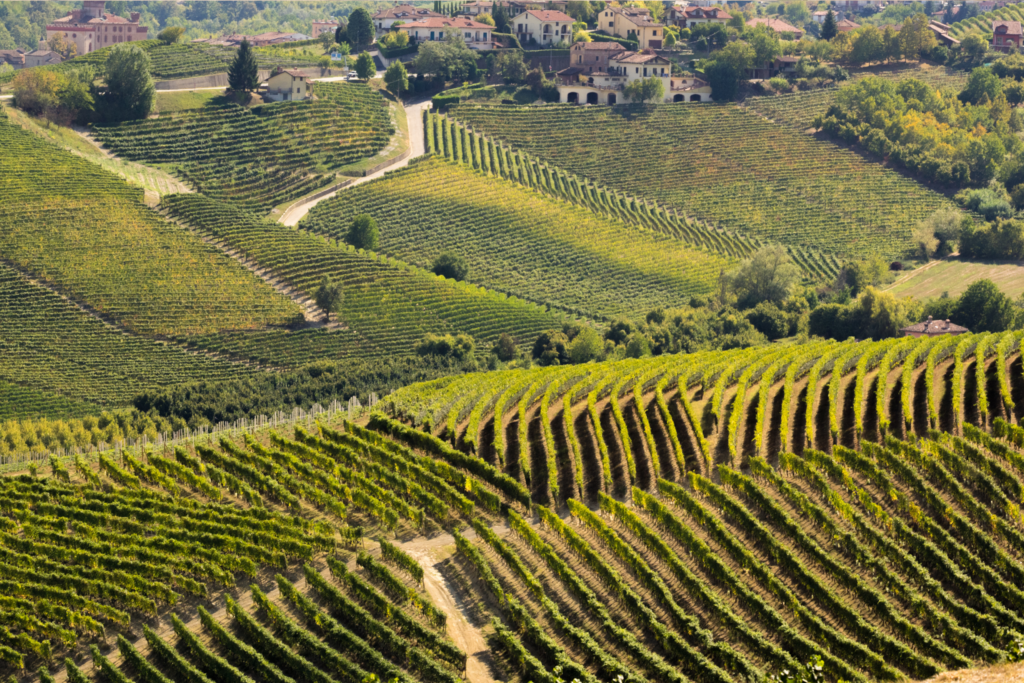
The global wine industry is moving from a volume-maximization model to a value-optimization model. Over the next decade, the most significant shifts are expected to come from:
- Climate adaptation and irrigation technology
- Expansion of sparkling wine production in cooler regions
- Continued growth of direct-to-consumer channels
- Export diversification away from China-dependent strategies
- Consolidation of premium brands
- Replanting toward heat-tolerant varietals
- Slower growth in overall consumption but higher value per bottle
Europe will likely remain the global production center, but New World producers are expected to gain share in higher-value categories and emerging export markets.
FAQs
Which Country Produces the Most Sparkling Wine?
Italy produces the most sparkling wine in the world, driven largely by Prosecco production in Veneto. France follows due to Champagne, Crémant, and other regional sparkling styles.
Which Country Imports the Most Wine?
The United States imports the most wine by value, followed by the United Kingdom and Germany. High domestic demand combined with diverse consumer preferences supports strong import volumes.
Which Country Drinks the Most Wine Per Capita?
Portugal and France lead global wine consumption on a per-capita basis. Italy, Switzerland, and Spain also rank among the highest-consuming countries relative to population size.
Is Global Wine Consumption Increasing or Declining?
Wine consumption is stable to slightly declining in volume in mature markets, but average bottle value is rising due to premiumization and shifting consumer preferences.
Which Wine Regions Are Benefiting From Climate Change?
Cooler climate regions such as Southern England, Oregon, Tasmania, and Canada’s Okanagan Valley are seeing increased viability for premium sparkling and still wine production due to warmer growing conditions.
Conclusion
Global wine production remains concentrated in a handful of countries that have both the climate and cultural history to support vineyard agriculture at scale. Italy, France, and Spain collectively produce about half of the world’s wine in a typical year, while the United States anchors New World production and consumption.
The industry is entering a new era defined by climate adaptation, water constraints, premiumization, and geographic diversification. While Europe will likely remain the center of global production, emerging regions and new varietal profiles will shape the future of how and where wine is made.
At Wine-N-Gear, we offer a curated collection of wine accessories that support the culture and ritual of wine service, with options for wholesale, bulk, and personalized orders. Our catalog includes ice buckets, corkscrews, wine stoppers, wine tote bags, glassware, insulated drinkware, and more. For custom projects or volume requests, contact us to discuss wholesale, bulk, or personalized solutions.