A Complete Guide to Choosing the Best Ice Buckets in 2026
Last Updated: February 02, 2026

An ice bucket is a temperature-control vessel designed to slow ice melt and keep beverages chilled during service. The best ice bucket in 2026 balances insulation performance, material durability, capacity, and ease of use based on how and where it will be used. Choosing the right ice bucket improves drink temperature stability, service efficiency, and presentation.
Ice buckets may appear simple, but they play a critical role in beverage service, hosting efficiency, and event presentation. In 2026, expectations have evolved. Hosts, venues, and hospitality professionals now prioritize ice retention, condensation control, hygiene standards, and visual integration alongside aesthetics.
Selecting the right ice bucket requires understanding performance tradeoffs, real-world use cases, and practical decision criteria. When chosen correctly, an ice bucket supports effortless home entertaining, proper champagne service, efficient bar operations, and seamless execution at large-scale events.
Key Takeaways
- Insulation quality determines ice retention more than appearance or material thickness.
- Stainless steel buckets offer the best balance of durability, hygiene, and professional use.
- Bucket size should match bottle type and service volume, not aesthetics.
- Lids, drainage, and condensation control directly affect usability during long events.
- Decorative buckets should never compromise ice performance for visual appeal.
What an Ice Bucket Is and Why the Right One Matters
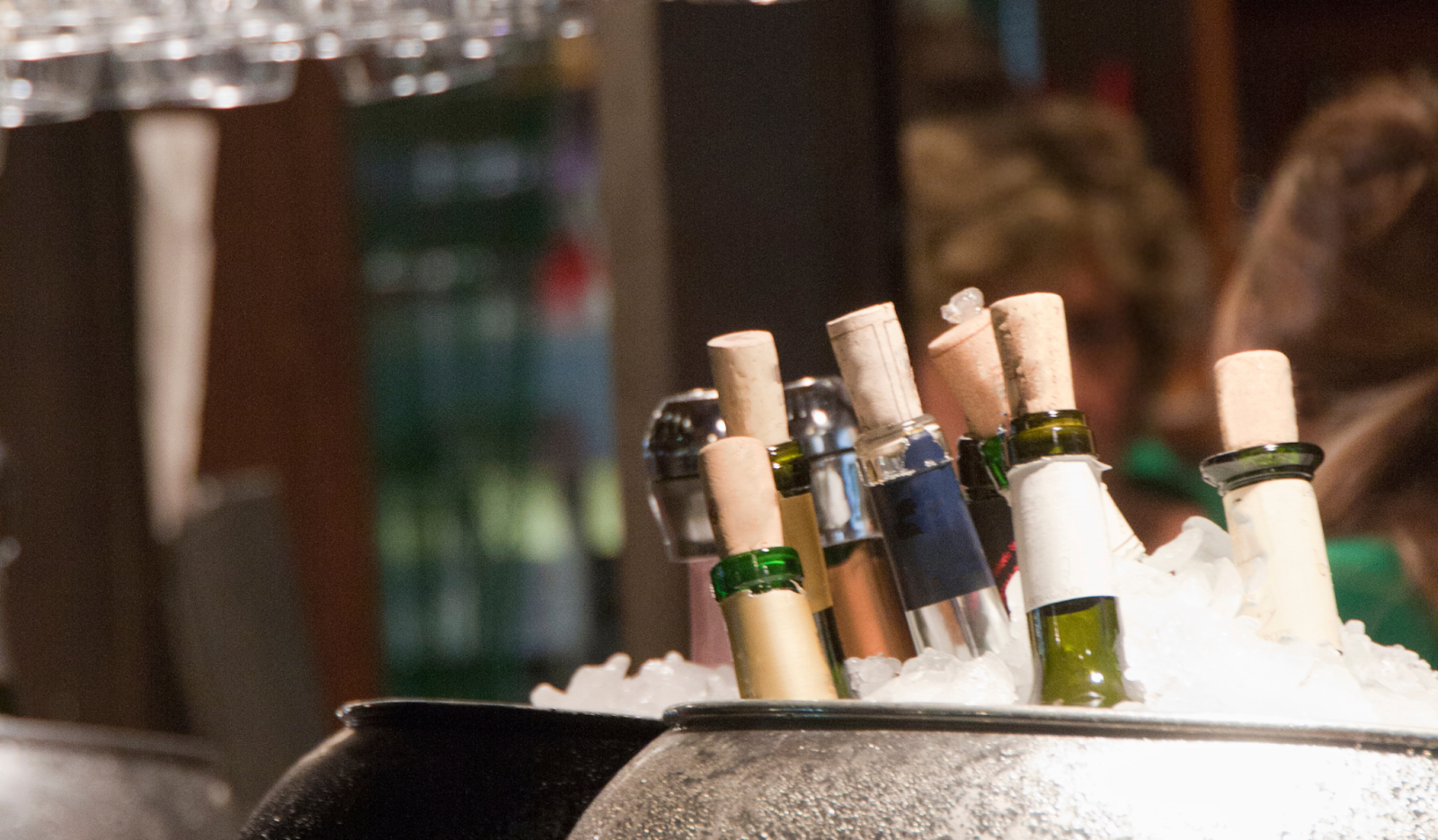
An ice bucket keeps ice colder for longer by limiting heat transfer from the surrounding environment. Its effectiveness depends on insulation design, material conductivity, capacity, and exposure to ambient heat.
An ice bucket does more than hold ice. It manages temperature stability. Ice melts when heat transfers from the surrounding air, surfaces, and hands into the ice mass. A well-designed ice bucket slows this transfer, preserving ice and maintaining beverage temperature.
The right ice bucket reduces constant refilling, minimizes water buildup, and improves service flow. This matters whether you are hosting guests at home, chilling champagne tableside, or running a high-volume bar.
Ice Bucket vs Wine Chiller: The Critical Difference
An ice bucket is designed to store loose ice for ongoing use, while a wine chiller is shaped to cradle a bottle and maintain serving temperature.
Ice buckets prioritize capacity and access to ice cubes. Wine chillers prioritize bottle contact and stability. Confusing the two often leads to faster ice melt or poor bottle cooling. For mixed drink service, ice buckets are essential. For single-bottle presentation, a wine chiller may be sufficient.
The 5 Primary Reasons People Buy Ice Buckets
Understanding intent prevents overbuying or underperformance.
- Home entertaining with moderate ice demand
- Champagne and sparkling wine service requiring stable temperatures
- Bars and restaurants needing durability and hygiene
- Outdoor events where ambient heat accelerates melting
- Decorative or themed events where presentation matters
Each use case requires different priorities across insulation, size, and material.
Types of Ice Buckets Explained With Real Tradeoffs
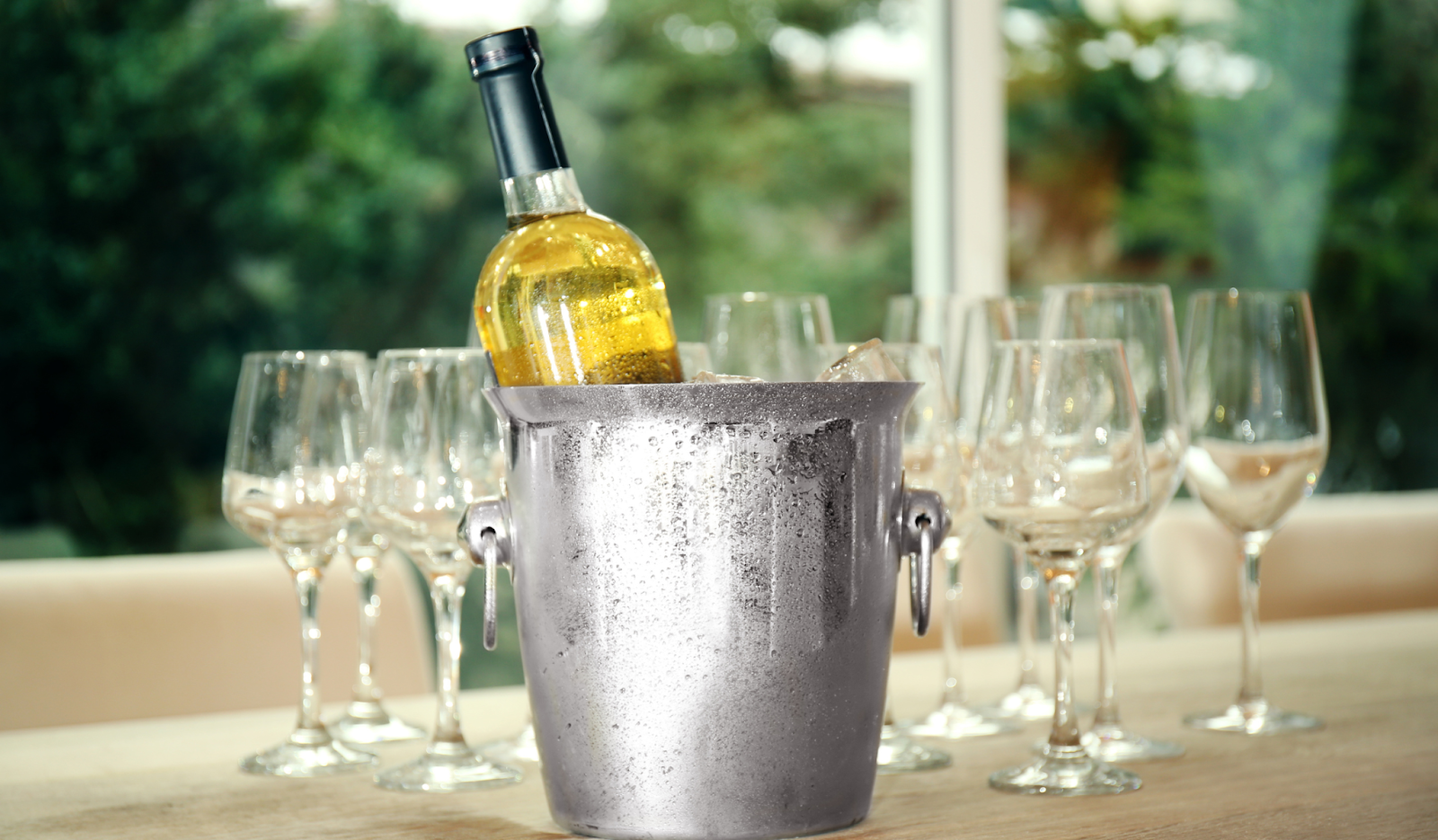
Stainless Steel Ice Buckets
Stainless steel ice buckets offer high durability, corrosion resistance, and easy sanitation, making them ideal for frequent or commercial use.
Food-grade stainless steel resists odors, staining, and cracking. When paired with double-wall insulation, it delivers excellent ice retention while remaining easy to clean. This is the standard choice for bars, restaurants, and serious home hosts.
Tradeoff: uninsulated stainless steel will sweat and melt ice faster.
Acrylic Ice Buckets
Acrylic ice buckets are lightweight, affordable, and visually versatile, best suited for short events or decorative setups.
Acrylic performs well for casual gatherings and themed events. It is less effective at thermal insulation and more prone to scratching over time. Heat exposure accelerates ice melt.
Tradeoff: lower ice retention and long-term durability.
Insulated and Double-Wall Ice Buckets
Double-wall insulated ice buckets slow heat transfer, keeping ice solid for hours longer than single-wall designs.
Insulation creates an air or vacuum barrier between inner and outer walls. This drastically reduces melting in warm environments. Lids further improve performance by limiting airflow.
Tradeoff: heavier weight and higher cost.
Glass Ice Buckets
Glass ice buckets emphasize visual appeal over performance and are best reserved for low-traffic, presentation-focused settings.
Glass conducts heat efficiently, causing faster melt rates. It also requires careful handling. Use glass when aesthetics outweigh practicality.
Decorative and Themed Ice Buckets
Decorative ice buckets enhance event styling but should still meet minimum insulation and capacity requirements.
Wood-wrapped, colored, or branded buckets elevate presentation but must be evaluated for liner quality and drainage. Avoid novelty designs that trap meltwater without insulation.
How to Choose the Right Ice Bucket Step by Step
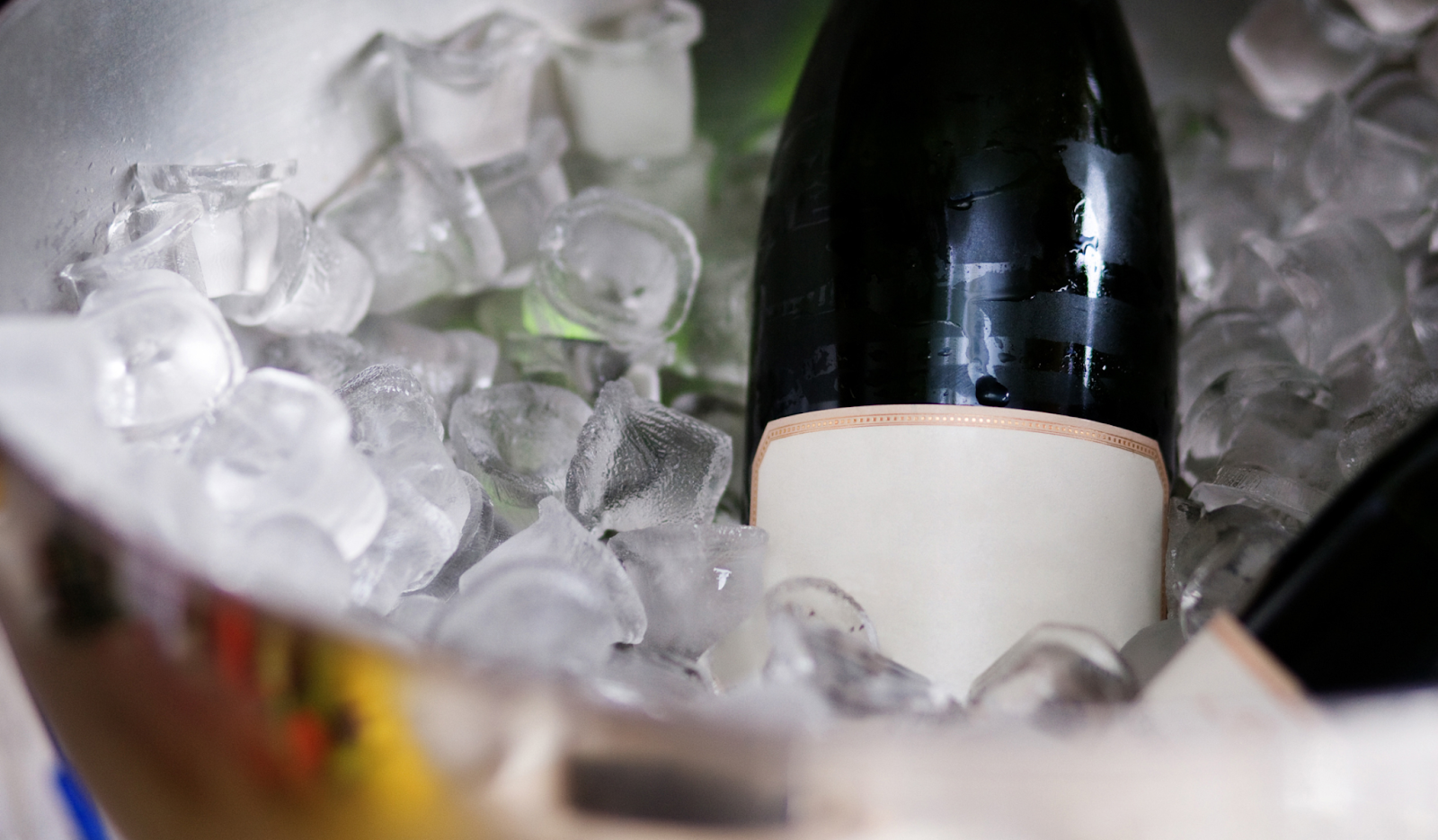
Choosing an ice bucket is easiest when you match the bucket’s performance features to your actual use case. The steps below walk you through size, insulation, and usability details (like lids and drainage) so you don’t end up with a bucket that looks great but melts fast. Use this checklist to pick an option that stays cold, serves smoothly, and fits your typical hosting setup.
Step 1: Choose the Correct Size
- Small gatherings: 2 to 3 liters
- Wine and champagne service: 4 to 5 liters
- Bars and events: 6 liters or more
Buckets should allow ice to fully surround bottles without overflow.
Step 2: Decide on Insulation Needs
Long events, outdoor service, or warm climates require insulated designs. Short indoor gatherings may not.
Step 3: Evaluate Lid and Drainage
Lids slow melting. Drain plugs remove meltwater without emptying the bucket. Both features significantly improve usability.
Step 4: Consider Handling and Portability
Ergonomic handles, balanced weight, and included tongs reduce spills and fatigue during service.
How Long Ice Lasts in Different Ice Buckets
Ice retention varies widely based on bucket construction, insulation, and service conditions. Understanding these differences prevents underperformance during extended service.
Under typical indoor conditions (68–72°F / 20–22°C):
- Insulated or double-wall ice buckets maintain usable ice for 4 to 6 hours, especially when paired with a lid and minimal opening.
- Single-wall metal or acrylic buckets often require replenishment every 60 to 90 minutes due to rapid heat transfer.
- Glass or decorative buckets experience the fastest melt rates and are best reserved for short-term presentation.
Several variables directly influence ice longevity:
- Insulation design: Double-wall and vacuum insulation slow heat transfer far more effectively than material thickness alone.
- Ambient temperature and airflow: Outdoor use, warm rooms, or direct sunlight significantly accelerate melting.
- Lid usage: Lids reduce warm air exposure and evaporation, extending ice life by up to 30–40%.
- Ice size and density: Large, dense cubes melt more slowly than crushed or hollow ice due to reduced surface area.
For extended service, larger cubes combined with insulated, lidded buckets deliver the most stable performance.
Ice Bucket Care, Cleaning, and Storage
Proper maintenance preserves hygiene, appearance, and long-term performance. Residual moisture and improper storage are the most common causes of odor, corrosion, and surface damage.
Best practices by material:
- Stainless steel: Wash with mild detergent, rinse thoroughly, and dry immediately to prevent water spotting and mineral buildup.
- Acrylic: Clean with non-abrasive sponges only; harsh cleaners and scrubbing pads cause clouding and scratches.
- Glass: Avoid sudden temperature changes to prevent cracking or thermal stress.
For storage:
- Always store ice buckets fully dry and uncovered.
- Avoid stacking while damp, which traps moisture and promotes odor development.
- Store away from direct heat sources or prolonged sunlight exposure.
Consistent care extends the functional lifespan of both professional and decorative ice buckets.
Common Ice Bucket Mistakes to Avoid

Small selection errors often lead to poor ice performance and unnecessary refilling during service.
- Choosing visual design over insulation quality
- Selecting oversized buckets that dilute ice density and accelerate melting
- Ignoring drainage, causing ice to sit in meltwater
- Using decorative or novelty buckets for long-duration service
Avoiding these mistakes improves ice efficiency, reduces waste, and ensures consistent beverage temperature throughout an event.
Frequently Asked Questions
1. What is the use of an ice bucket?
An ice bucket is a versatile tool primarily used to store ice and keep it cold, ensuring that beverages such as wine, champagne, and cocktails remain chilled for serving. Beyond its functional role, an ice bucket also serves as an attractive accessory that enhances the presentation of drinks at social gatherings, parties, and events. It helps maintain the desired temperature of beverages, ensuring that guests enjoy their drinks at the perfect chill throughout the event.
2. How long does an ice bucket keep ice frozen?
The duration for which an ice bucket can keep ice frozen varies depending on several factors, including the material of the bucket, the presence of insulation, and the environmental conditions. Insulated ice buckets, particularly those with double-wall construction, are designed to keep ice frozen for several hours, often between 4 to 6 hours, even in warmer environments. Non-insulated ice buckets, however, may require more frequent ice refills as they provide less thermal resistance to melting. Additionally, using a lid can help prolong the freezing time by minimizing heat exchange.
3. Does ice melt in an ice bucket?
Ice will inevitably melt in an ice bucket due to the natural transfer of heat from the surroundings. However, the rate of melting can be significantly slowed depending on the bucket’s insulation and whether a lid is used. Insulated ice buckets, for example, are specifically designed to slow down the melting process by reducing the amount of heat that reaches the ice. Even though ice will melt over time, the goal of a well-designed ice bucket is to extend the duration during which the ice remains solid, thereby keeping beverages cold for longer.
4. Do you put water in an ice bucket?
While it’s not common practice to fill an ice bucket with water, adding a small amount of water can actually help to chill beverages more efficiently. The water fills the gaps between the ice cubes, increasing the surface area in contact with the bottle or can, which speeds up the cooling process. This technique is particularly useful when you need to chill drinks quickly. However, if the goal is to preserve the ice for as long as possible, it’s best to use ice alone without adding water.
5. Why add salt to an ice bucket?
Adding salt to an ice bucket is a clever technique used to lower the freezing point of water, which causes the ice to remain colder for a longer period. This phenomenon, known as freezing point depression, allows the ice to melt at a lower temperature than usual, creating a colder environment that can keep drinks chilled for extended periods. This method is especially useful during outdoor events on hot days, where keeping beverages cold is a priority. The addition of salt is a simple yet effective way to enhance the ice bucket’s cooling power.
6. How do I choose the right size for an ice bucket?
Selecting the appropriate size of an ice bucket depends on the type of event you’re hosting and the volume of beverages you plan to chill. For small, intimate gatherings, a smaller ice bucket may suffice, holding enough ice for a few drinks or a single bottle of wine. However, for larger events or commercial use in restaurants and bars, a larger ice bucket is necessary to accommodate multiple bottles and a substantial amount of ice. It’s important to consider the capacity of the bucket in relation to the number of guests and the duration of the event to ensure that your ice supply is sufficient throughout the occasion.
7. What are the most durable materials for ice buckets?
Stainless steel and plastic are among the most durable materials for ice buckets, each offering distinct advantages. Stainless steel is renowned for its strength, resistance to corrosion, and sleek appearance, making it a long-lasting choice that can withstand frequent use in both home and commercial settings. Plastic, on the other hand, is valued for its durability combined with its lightweight nature and affordability. High-quality plastic ice buckets are resistant to cracking and breaking, making them a practical option for various settings, including outdoor events. Both materials offer durability, but the choice between them often depends on aesthetic preferences and the intended use.
8. Can ice buckets keep ice frozen for hours?
Ice buckets, particularly those that are insulated, are capable of keeping ice frozen for several hours. Insulated ice buckets are designed to reduce the rate of heat transfer, thereby slowing down the melting process and maintaining the ice’s solid state for longer periods. The duration that ice remains frozen also depends on factors such as the initial temperature of the ice, the ambient temperature, and whether the bucket has a lid to trap cold air. Even in warmer environments, a well-insulated ice bucket can keep ice frozen for up to 4 to 6 hours, making it a reliable tool for keeping drinks cold during events.
9. What drinks can I put in an ice bucket?
An ice bucket is versatile in its use, capable of chilling a wide range of beverages. Commonly, ice buckets are used to cool wine, champagne, and sparkling wines, ensuring they are served at the optimal temperature. They are also frequently used for chilling bottles of beer, soda, bottled water, and other soft drinks. In addition, ice buckets can be used to store ice cubes for cocktails, allowing guests to easily access ice to keep their drinks cold. The choice of drinks to place in an ice bucket largely depends on the occasion and the types of beverages being served.
Elevate Your Event With the Right Ice Bucket
The right ice bucket enhances temperature control, presentation, and overall hosting efficiency. Performance should always take priority over appearance, especially for extended service or professional settings. When chosen correctly, an ice bucket supports seamless beverage service and a polished guest experience.
At Wine-n-Gear, we offer a curated collection of high-quality wine accessories designed for real-world hospitality and entertaining needs. Our range includes durable ice buckets, wine tote bags, glassware, corkscrews, wine stoppers, champagne stoppers, and other essential tools for home hosts, venues, and event professionals.
For bulk orders, wholesale inquiries, or professional sourcing, contact Wine-n-Gear to explore reliable, performance-driven solutions that elevate every pour.