3 Ways to Tell if Your Wine Has Gone Bad (Complete Expert Guide)
Last Updated: March 24, 2026
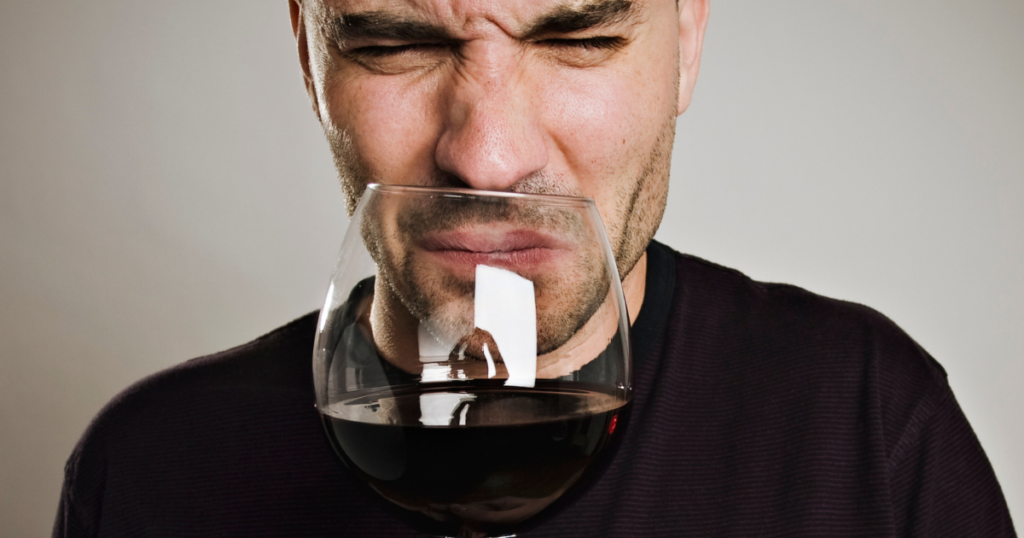
Wine has gone bad when chemical reactions or microbial activity create aromas, flavors, or textures that overpower its intended character. The most reliable way to detect this is through three simple checks: smell, look, and taste. These sensory signals reveal whether a wine is still sound, slightly past its peak, or no longer worth drinking.
Wine does not deteriorate randomly. Oxygen exposure, microbial growth, sulfur compounds, and light damage all follow predictable chemical pathways. Each leaves behind clear sensory clues. Once you understand these patterns, you can assess any bottle quickly and confidently.
Not every unusual wine is spoiled. Some wines are simply muted or need air. The key is knowing how to distinguish harmless variation from true faults.
Key Takeaways
- You can identify bad wine using three steps: smell, look, and taste.
- Smell is the fastest and most reliable indicator of spoilage.
- Oxidation, cork taint, and volatile acidity are the most common irreversible faults.
- Some issues, like reduction, may improve with air.
- Most bad wine is not dangerous, but signs of fermentation or contamination should not be ignored.
Way 1: Smell the Wine First

Smell is the most powerful diagnostic tool because wine faults are driven by volatile compounds that appear in the aroma before anything else.
Swirl the wine gently to release these compounds, then assess the scent immediately.
Clear warning signs include:
- A wet cardboard or moldy basement smell, which indicates cork taint caused by TCA contamination
- Vinegar or nail polish remover aromas, pointing to volatile acidity from acetic acid and ethyl acetate
- Rotten eggs or burnt rubber notes, signaling reduction from hydrogen sulfide
- Cooked fruit, nuts, or sherry-like aromas, which suggest oxidation
If the wine smells clean but slightly muted or sulfuric, give it time to breathe. Some reductive notes dissipate with oxygen and do not indicate permanent spoilage.
A simple rule applies here. If the smell is strongly unpleasant or unnatural, there is no need to continue. The wine is no longer sound.
Way 2: Look for Visual Clues
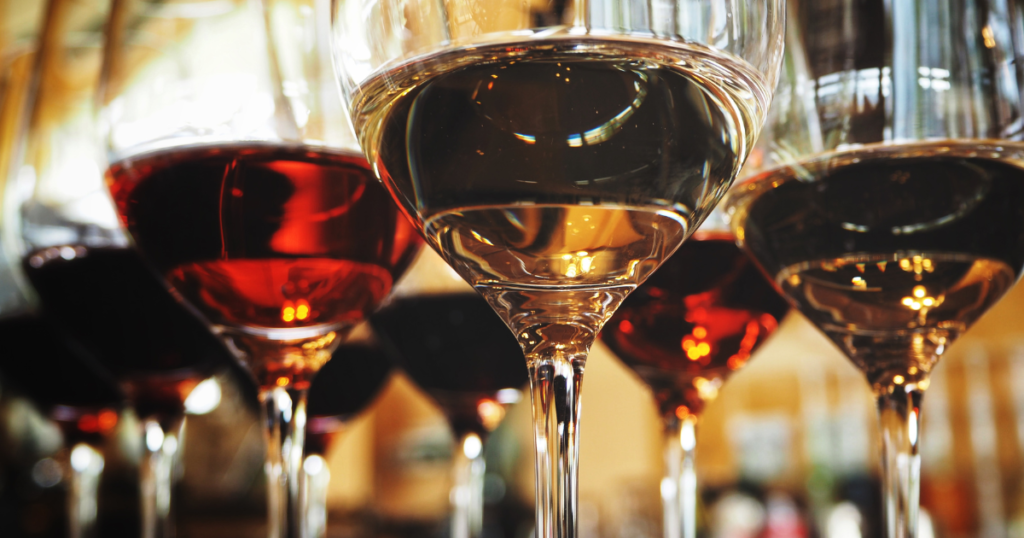
Appearance provides structural insight into what is happening inside the wine. While smell leads the diagnosis, visual cues confirm it.
Hold the glass against a neutral background and examine both color and clarity.
Key warning signs include:
- Brown or amber tones in a young white wine, indicating premature oxidation
- Brick-orange hues in a young red wine, suggesting early aging or heat exposure
- Unexpected bubbles in a still wine, which can signal refermentation
- Cloudiness combined with unusual texture, pointing to microbial instability
It is important to avoid misdiagnosing normal characteristics as faults.
Sediment in red wine is a natural byproduct of aging and harmless. Tartrate crystals, often called wine diamonds, are also normal and have no impact on quality. Slight variation between bottles is expected, especially with cork closures.
Visual changes only matter when they appear alongside off aromas or flavors.
Way 3: Taste to Confirm

Taste is the final step and should only be done if the smell does not immediately indicate a problem.
Take a small sip and evaluate balance, structure, and finish.
Signs that the wine has gone bad include:
- Flat, papery, or hollow flavor with no fruit, typical of oxidation
- Sharp, aggressive acidity that stings the nose, associated with volatile acidity
- Bitter, lifeless structure lacking depth, often caused by degradation
- Unexpected fizz in a still wine, indicating refermentation
If the wine tastes clean but lacks vibrancy, it may simply be past its peak rather than spoiled. In this case, it can still be used for cooking or casual drinking.
What Actually Causes Wine to Go Bad
Understanding the root causes behind these sensory signals makes it easier to diagnose problems quickly and accurately.
Oxidation occurs when oxygen converts ethanol into acetaldehyde, flattening the wine and replacing fresh fruit with notes of bruised apple, nuts, or dried fruit. This process is irreversible.
Cork taint is caused by TCA, which suppresses aroma and leaves the wine smelling musty and dull. It cannot be fixed and should not be consumed.
Volatile acidity develops when bacteria produce acetic acid and ethyl acetate, creating vinegar-like and solvent aromas. Once dominant, it overwhelms the wine.
Reduction happens when sulfur compounds are trapped in low-oxygen conditions. Unlike other faults, it can sometimes improve with air.
Refermentation occurs when yeast restarts fermentation inside the bottle, producing gas and cloudiness. This indicates instability and should be avoided.
Lightstrike results from UV exposure breaking down compounds in wine, leading to cabbage-like or sulfuric aromas. This damage is permanent.
Bad vs Normal: What Looks Strange but Is Fine
Not all unusual characteristics mean a wine has gone bad.
Sediment is common in older or minimally filtered wines and is completely harmless. Tartrate crystals form naturally in cold conditions and do not affect flavor. Some wines may smell tight or slightly sulfuric when first opened but improve with air.
The deciding factor is always the overall sensory profile. If the wine smells and tastes clean, it is still good to drink regardless of how it looks.
Is Bad Wine Dangerous
Most spoiled wine is not dangerous. The majority of faults are chemical rather than harmful.
Oxidized or corked wine may taste unpleasant but will not make you sick. However, wine showing signs of active fermentation, heavy cloudiness with off odors, or visible mold should not be consumed.
If the smell creates an immediate sense of rejection, trust that response and stop there.
How Long Wine Lasts After Opening
Once opened, wine begins to degrade as it interacts with oxygen.
| Wine Style | Counter | Fridge | With Preservation |
| Red Wine | 1–3 days | 3–5 days | 5–7 days |
| White Wine | 1–2 days | 3–5 days | 5–7 days |
| Rosé | 1–2 days | 3–5 days | 5–7 days |
| Sparkling | Same day | 1–2 days | 2–3 days |
| Fortified | Weeks | Months | Months |
Cooler temperatures slow chemical reactions, while increased air exposure accelerates spoilage.
How to Prevent Wine From Going Bad
Preventing spoilage comes down to controlling oxygen, temperature, and light.
Store wine at a stable, cool temperature and keep it away from direct light. Keep corked bottles horizontal to maintain a proper seal. After opening, reseal the bottle tightly and refrigerate it immediately.
Using vacuum pumps or inert gas systems can significantly extend a wine’s life by reducing oxygen exposure.
What to Do With Wine That’s Past Its Prime
Wine that is no longer ideal for drinking can still be useful.
Lightly oxidized wine works well in cooking. Clean but dull wine can be used in mixed drinks or sangria. High-acidity wine can be repurposed into vinegar.
However, wine affected by cork taint or severe spoilage should be discarded, as the off characteristics will carry through any use.
FAQs
Can bad wine make you sick?
Most spoiled wine is not harmful because common faults like oxidation or cork taint affect flavor rather than safety, but wine showing signs of active fermentation, contamination, or mold should not be consumed.
What does corked wine taste like?
Corked wine tastes dull and muted with little fruit expression, often showing aromas similar to wet cardboard, damp paper, or a musty basement.
Can you drink oxidized wine?
Oxidized wine is safe to drink but tastes flat and lifeless, with notes of bruised apple or nuts instead of fresh fruit.
Why does wine smell like vinegar?
A vinegar smell is caused by volatile acidity, where acetic acid and ethyl acetate create sharp, sour, and solvent-like aromas.
Is cloudy wine safe to drink?
Cloudy wine can be harmless if caused by natural sediment, but if it appears with bubbles, pressure, or off smells, it may indicate refermentation and should be avoided.
Conclusion
Wine spoilage follows clear and identifiable patterns.
Once you understand how oxygen, microbes, sulfur compounds, and light affect wine, you can diagnose issues quickly and accurately. The combination of smell, visual inspection, and taste provides a reliable framework that removes uncertainty.
This knowledge transforms the experience of opening a bottle. Instead of guessing, you evaluate. Instead of hesitating, you decide with confidence.
Every bottle tells you what it needs. The key is knowing how to listen. With the right approach, every bottle becomes easier to understand and enjoy. Wine-n-Gear is here to help you make that happen with practical wine tips and everyday essentials.