How Orange Wine Is Made: The Complete Guide to Skin-Contact Winemaking
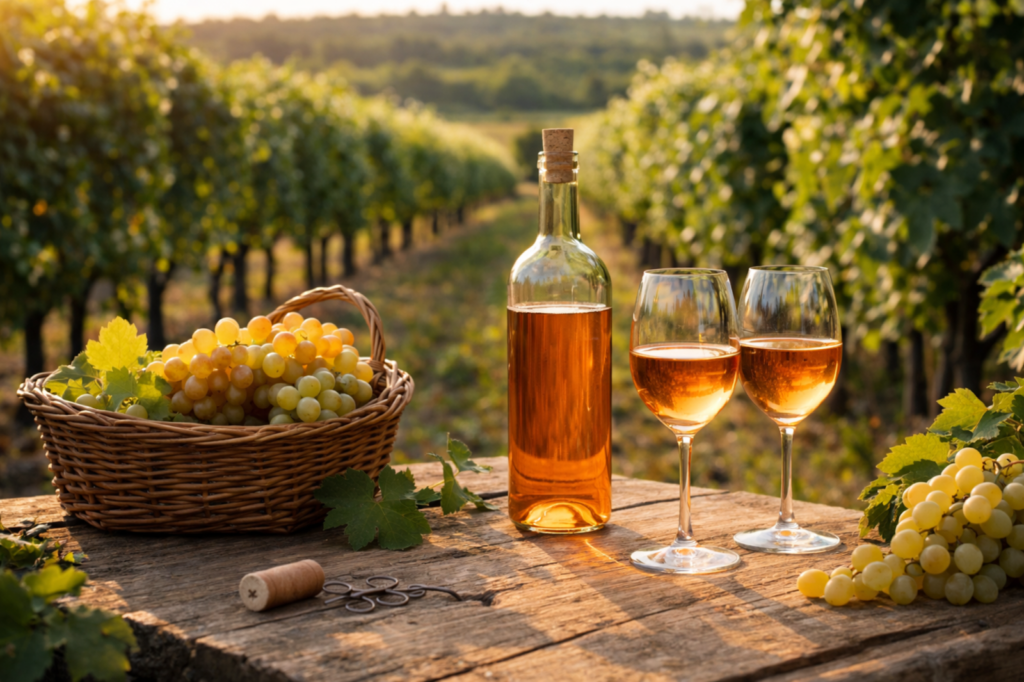
Orange wine is made by fermenting white grapes with their skins and seeds for an extended period, extracting tannins, color, and complex flavor compounds that create a structured, amber-hued wine unlike traditional white wines.
Orange wine has shifted from a niche curiosity into a globally recognized category, yet it remains widely misunderstood even among experienced wine drinkers. Despite its name, it has nothing to do with citrus fruit. Instead, it represents one of the oldest winemaking techniques in history, now rediscovered and refined for a modern audience seeking authenticity, complexity, and craftsmanship.
What distinguishes orange wine is not the grape itself but the method. By allowing white grape juice to remain in contact with skins during fermentation, winemakers unlock structure, texture, and depth rarely found in conventional white wines. The result is a wine that behaves more like a red in terms of grip, food pairing ability, and mouthfeel, while still retaining the aromatic complexity of white grapes.
Key Takeaways
- Orange wine is made by fermenting white grapes with skins, unlike standard white wine production
- Extended skin contact introduces tannins, color, and a layered, textured mouthfeel
- Maceration time can range from a few days to several months, shaping intensity and structure
- Traditional vessels like qvevri and amphorae enhance oxidation and complexity
- Orange wine bridges the gap between white and red wine, making it highly versatile for food pairing
What Is Orange Wine (Skin-Contact Wine)?
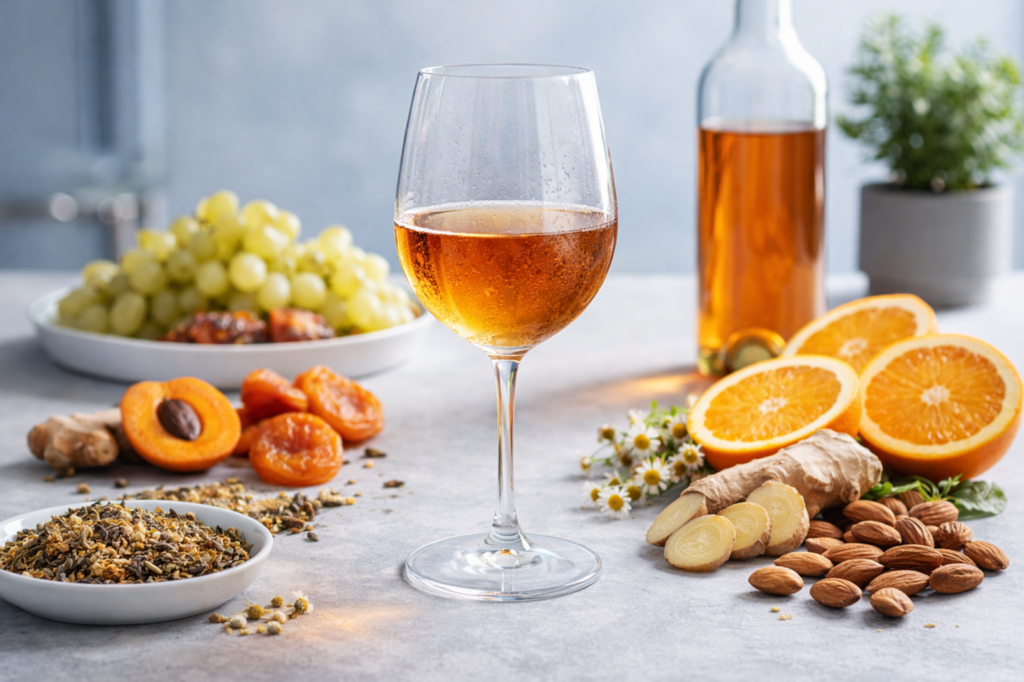
Orange wine, also known as skin-contact wine, is a style of wine made from white grapes that are fermented with their skins, seeds, and sometimes stems. In contrast, traditional white wine production removes the skins immediately after pressing to preserve freshness and clarity.
The defining factor of orange wine is this extended contact between juice and grape solids. During this process, phenolic compounds, tannins, and pigments are extracted into the liquid, transforming both its structure and appearance.
The term “orange wine” refers strictly to its color, which can range from golden yellow to deep amber or copper tones. It is not a varietal classification, nor does it indicate sweetness or flavor profile.
In practical terms, orange wine can be understood as white wine made using red wine techniques. This hybrid approach is what gives it its distinctive identity.
The History of Orange Wine: From Ancient Georgia to Modern Revival
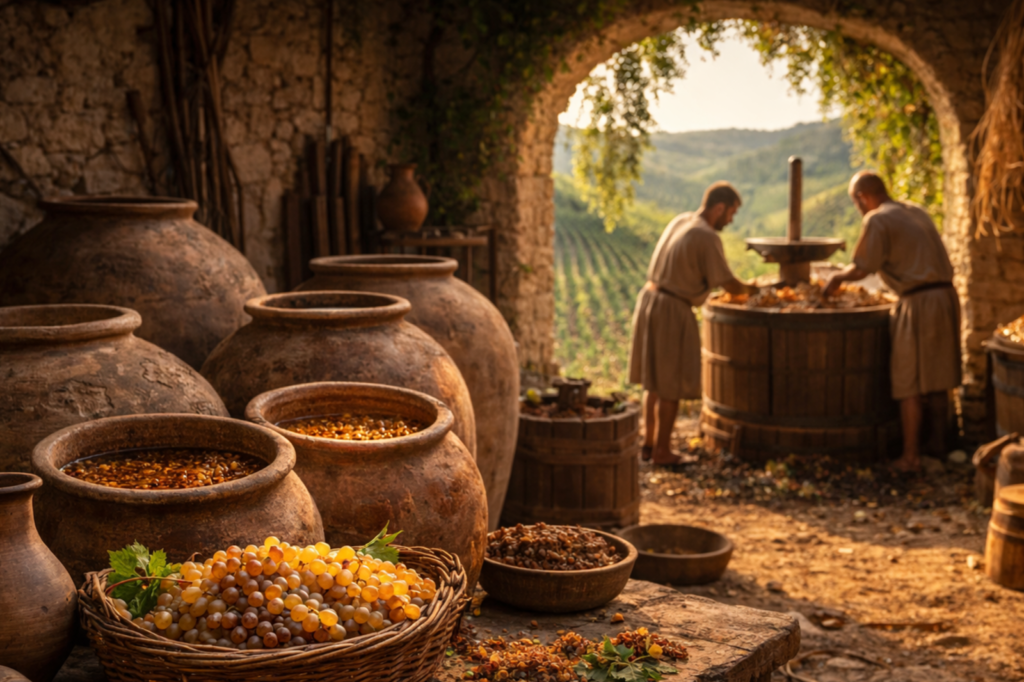
Orange wine originated more than 8,000 years ago in Georgia, where white grapes were fermented with skins in underground clay vessels called qvevri, making it one of the earliest known forms of structured winemaking.i, making it one of the earliest known forms of structured winemaking.
Archaeological evidence places the origins of skin-contact winemaking in the Caucasus region, particularly in present-day Georgia. Early winemakers buried large clay vessels in the ground, using the earth as a natural temperature regulator. These vessels, known as qvevri, were filled with crushed grapes, including skins, seeds, and stems, allowing fermentation and maceration to occur together.
This method produced wines that were more stable, more textured, and more suitable for long-term storage compared to early filtered wines. The inclusion of skins introduced tannins, which acted as natural preservatives, enabling the wine to age gracefully.
Over centuries, this technique spread westward into parts of Eastern Europe and Northern Italy. Regions like Friuli-Venezia Giulia and Slovenia became known for continuing skin-contact traditions, even as much of the wine world moved toward cleaner, more reductive white wine styles in the 19th and 20th centuries.
The decline of orange wine coincided with industrialization in winemaking. Advances in filtration, temperature control, and stainless steel fermentation encouraged producers to prioritize clarity, freshness, and uniformity. Skin-contact methods were often viewed as rustic or outdated.
The modern revival of orange wine began in the late 20th century, led by a small group of winemakers committed to traditional practices. This movement gained momentum alongside the rise of natural wine, biodynamic farming, and consumer interest in artisanal production.
Today, orange wine occupies a unique position in the global wine landscape. It is both an ancient method preserved through generations and a contemporary category that continues to evolve through experimentation and innovation.
The Step-by-Step Process of How Orange Wine Is Made
While the exact technique varies by region, grape variety, and producer style, most orange wines follow the same core sequence of harvest, skin contact, fermentation, aging, and bottling.
Harvesting White Grapes
The process begins with selecting suitable grape varieties. Not all white grapes are ideal for skin-contact winemaking. Varieties with thicker skins and higher phenolic content, such as Ribolla Gialla, Malvasia, and Pinot Grigio, are commonly used because they can withstand extended maceration without becoming unbalanced.
Timing of harvest is critical. Grapes must achieve the right balance between sugar, acidity, and phenolic ripeness. Overripe grapes can lead to overly heavy wines, while underripe grapes may produce harsh tannins.
Crushing and Destemming
After harvest, grapes are crushed to release juice. Some producers choose to include stems during fermentation, which adds additional tannins and structural complexity. Others remove stems to maintain a cleaner profile and avoid excessive bitterness.
The decision at this stage significantly influences the final texture of the wine.
Skin Contact (Maceration)
This is the defining stage of orange wine production.
Instead of separating the juice from the skins, the crushed grapes remain intact, allowing prolonged contact between the liquid and solid components. During maceration, the wine extracts:
- Tannins from skins and seeds
- Phenolic compounds that contribute to structure
- Pigments that deepen color
- Aromatic precursors that enhance complexity
Maceration can last anywhere from four days to several months. Shorter maceration produces lighter, more approachable wines, while extended maceration creates deeply structured wines with pronounced grip and complexity.
Fermentation
Fermentation occurs either simultaneously with maceration or immediately after. Many producers use native yeasts naturally present on grape skins, which can create more complex and distinctive flavor profiles. Others use cultured yeasts for greater consistency and control.
Unlike conventional white wine fermentation, temperature control may be less strict, allowing for broader flavor development and a more expressive outcome.
Aging and Maturation
After fermentation, the wine is aged to develop complexity and integrate its structure. The choice of vessel plays a crucial role:
- Clay amphorae or qvevri promote micro-oxidation and earthy characteristics
- Oak barrels add subtle spice and roundness
- Concrete tanks provide stability and texture without strong flavor influence
- Stainless steel preserves freshness and purity
Each vessel shapes the final expression of the wine, influencing its aroma, mouthfeel, and aging potential.
Pressing and Bottling
Once maceration and fermentation are complete, the wine is pressed to separate it from the skins and solids. Some producers choose minimal intervention approaches, avoiding filtration and additives to preserve authenticity.
The result is often a wine with natural sediment, deeper texture, and a more unfiltered expression of the grape.
Why Orange Wine Looks and Tastes Different
Orange wine’s color, tannins, and layered flavors come from extended extraction of compounds during skin contact, creating a profile that combines elements of both white and red wine.
Color Development
White grape skins contain pigments that oxidize and darken during maceration. The longer the contact, the deeper the color, ranging from pale gold to deep amber.
Tannin Structure
Tannins, typically associated with red wines, are present in orange wine because of skin and seed contact. These tannins create a drying sensation and add structure, making the wine more suitable for aging and food pairing.
Flavor Compounds and Aromatics
Skin contact introduces a wide range of flavor compounds that are not present in standard white wines. Common notes include:
- Dried apricot and stone fruit
- Orange peel and citrus zest
- Tea leaf and herbal tones
- Ginger and spice
- Nuts such as almond or hazelnut
These flavors often evolve with age, becoming more complex and integrated over time.
Key Characteristics of Orange Wine
Orange wine is defined by its structure and complexity rather than freshness alone.
- Appearance: Amber, copper, or golden hues
- Aroma: Dried fruit, herbs, spices, and oxidative notes
- Texture: Firm, sometimes grippy, often layered
- Acidity: Balanced by tannins and phenolics
This combination creates a wine that feels both familiar and unexpected.
Orange Wine vs Other Wines: Key Differences Explained
Orange wine differs from white, red, and rosé wines primarily due to extended skin contact, which gives it tannins, deeper color, and a more structured texture.
| Feature | White Wine | Orange Wine | Red Wine | Rosé Wine |
| Grape Type | White grapes | White grapes | Red grapes | Red grapes |
| Skin Contact | Minimal | Extended (days to months) | Extended | Short (hours) |
| Color | Pale yellow | Amber to deep orange | Red to purple | Pink to salmon |
| Tannins | Very low | Medium to high | High | Low |
| Texture | Light, crisp | Structured, grippy | Full-bodied | Light to medium |
| Flavor Profile | Citrus, floral | Dried fruit, nutty, herbal | Dark fruit, spice | Fresh red fruit |
| Winemaking Style | Reductive | Oxidative or semi-oxidative | Extractive | Controlled maceration |
| Food Pairing | Light dishes | Highly versatile | Rich dishes | Light to medium dishes |
What This Means for Drinkers
Orange wine occupies a unique middle ground in the wine spectrum.
- It offers more texture than white wine
- It feels lighter than most red wines
- It delivers more complexity than rosé
This versatility makes it a favorite among sommeliers and adventurous drinkers.
The Role of Amphorae and Traditional Methods
Traditional orange wine production relies heavily on clay vessels such as qvevri. These vessels allow controlled oxygen exposure, which enhances complexity and encourages slow, natural fermentation.
The use of amphorae also connects modern producers with ancient practices, preserving a lineage of winemaking that dates back thousands of years.
Modern Techniques and Innovations
Today’s winemakers blend tradition with modern precision. Controlled maceration, improved hygiene, and advanced fermentation techniques allow producers to create orange wines that are more consistent and accessible.
This evolution has broadened the category, making it appealing to both traditionalists and newcomers.
How Long Does Skin Contact Last and Why It Matters
The length of skin contact directly determines the intensity, structure, and flavor complexity of orange wine.
Short maceration produces lighter wines with subtle tannins, while extended maceration results in deeper color, stronger grip, and more pronounced flavors.
This flexibility allows winemakers to craft a wide range of styles within the same category.
Is Orange Wine Natural Wine?
Orange wine is a method, not a philosophy. While many producers follow natural wine principles such as organic farming and minimal intervention, not all orange wines are classified as natural.
The overlap exists, but the two categories are distinct.
How to Taste Orange Wine Like an Expert
To evaluate orange wine:
- Observe color depth for extraction level
- Identify aromas such as dried fruit and spice
- Focus on texture and tannin structure on the palate
Texture is the defining characteristic, more than fruit intensity.
Food Pairings That Work Best with Orange Wine
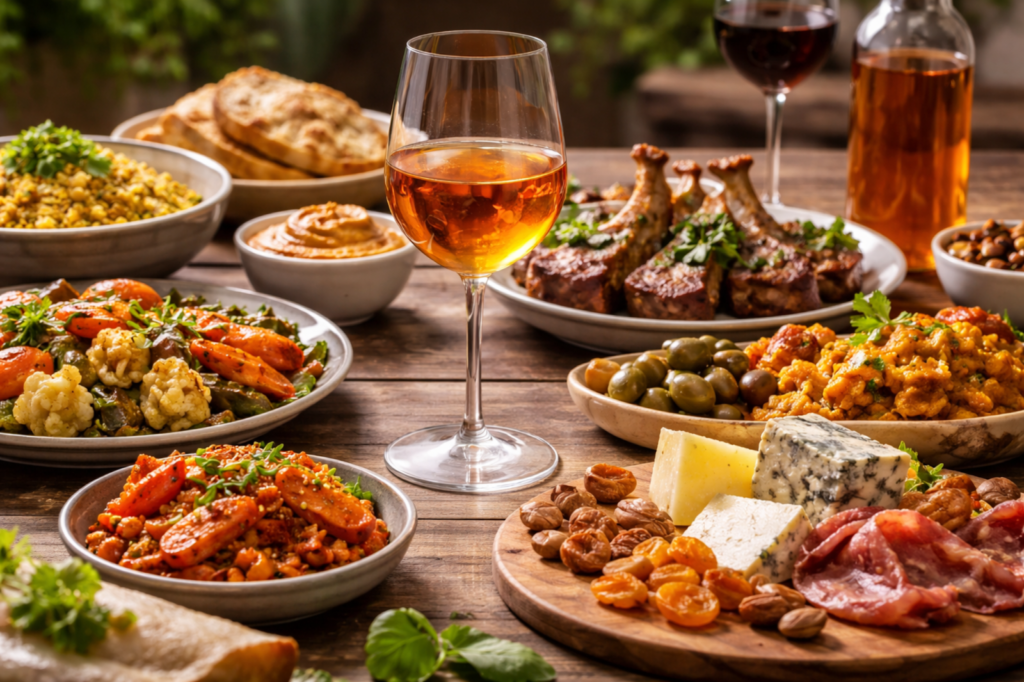
Orange wine pairs exceptionally well with food because it combines the freshness and lift of white wine with some of the structure and grip more commonly associated with red wine. That balance of tannins, acidity, texture, and savoury complexity makes it one of the most flexible food wines available. Instead of only working with delicate dishes like many crisp whites, or only richer plates like many reds, orange wine can comfortably sit between the two and handle a broader range of flavours.
One of the main reasons orange wine performs so well at the table is its texture. The skin contact gives it a firm, sometimes slightly grippy mouthfeel that helps it stand up to foods with spice, umami, char, fermentation, and richer seasoning. At the same time, its acidity keeps the pairing from feeling heavy. This combination makes orange wine especially useful when a dish is too bold for a simple white but not quite suited to a heavy red.
Ideal pairings include:
- Roasted vegetables
Roasted carrots, squash, cauliflower, mushrooms, and eggplant work particularly well because their caramelised edges and earthy depth mirror the savoury, slightly oxidative side of orange wine.
- Fermented dishes
Kimchi, sauerkraut, miso-based dishes, and other fermented foods pair beautifully with orange wine’s tangy acidity and complex texture. The wine can handle the sharpness and funk without being overwhelmed.
- Spiced cuisine
Orange wine often shines with Moroccan, Middle Eastern, Indian, and other spice-driven cuisines. Its structure and aromatics can hold up to cumin, coriander, turmeric, saffron, and ginger, while its acidity keeps the palate refreshed.
- Aged cheeses
Hard and semi-hard cheeses such as Comté, aged Gouda, Manchego, and Alpine-style cheeses complement the nutty, tea-like, and dried-fruit notes often found in orange wine.
- Grilled meats
While orange wine is made from white grapes, its tannic profile means it can pair surprisingly well with grilled chicken, pork, lamb, and even certain charred sausage dishes, especially when herbs or smoky seasoning are involved.
Orange wine can also be excellent with dishes that are usually difficult to pair, such as savoury vegetarian plates, foods with preserved lemon, sesame, tahini, or dishes that mix sweetness, spice, and acidity in the same bite. This is part of what makes it so attractive to sommeliers and adventurous drinkers. It has enough structure to match bold flavours, yet enough freshness to stay lively and balanced.
Its structure allows it to bridge pairing rules between white and red wines, which is why orange wine often feels especially rewarding in real-world dining. When you want a bottle that can move from appetisers to mains, or work across a table with varied dishes, orange wine is often one of the smartest and most versatile choices.
Common Misconceptions About Orange Wine
Orange wine is one of the most misunderstood categories in the wine world, largely because its name, appearance, and association with natural wine can create the wrong first impression. Clearing up a few common misconceptions helps readers understand what orange wine actually is and why it tastes so different from standard white wine.
- It is not made from oranges.
The name refers only to the wine’s colour, which can range from deep gold to amber or copper. Orange wine is made from white grapes, not oranges or citrus-infused wine.
- It is not always cloudy or funky.
Some orange wines are hazy, savoury, or slightly wild in character, especially those made with minimal intervention. However, many are clean, polished, and balanced, with lifted aromatics and structured texture rather than overt funk.
- It is not inherently natural.
Orange wine describes a winemaking method, not a farming or production philosophy. While many orange wines overlap with natural, organic, or biodynamic practices, a wine can be orange without being classified as natural.
- It is an ancient method, not a modern trend.
Although orange wine has gained recent attention in restaurants, wine bars, and social media, the technique itself dates back thousands of years. Its modern popularity is better understood as a revival of one of the oldest known winemaking traditions.
Who Should Drink Orange Wine?

Orange wine is ideal for drinkers who want more than a simple crisp white but do not always want the weight of a full-bodied red. Its appeal lies in its ability to offer texture, structure, and savoury complexity while still preserving the lifted aromatics that many people enjoy in white grape varieties. Because it sits between categories, it often attracts people who feel limited by traditional wine labels and want something more layered and expressive.
It is especially appealing to red wine drinkers who want to branch into lighter styles without giving up tannin, grip, or food-pairing versatility. Orange wine can deliver a similar sense of structure and dryness, making it a natural stepping stone for those who usually prefer reds but want something more refreshing.
It also suits white wine drinkers who are looking for more depth, texture, and complexity in the glass. For someone who enjoys aromatic whites but wants a wine with more body and character, orange wine can feel like a more serious, more savoury evolution of that experience.
Orange wine is also a strong fit for natural wine enthusiasts, adventurous drinkers, and food-focused wine lovers. Its broad flavour range, from tea-like and herbal to nutty and dried-fruit-driven, makes it rewarding for people who enjoy discovering less conventional styles. At the table, its structure and acidity make it especially attractive to those who want one wine that can handle a wide variety of dishes.
For beginners, orange wine can still be approachable, especially lighter examples with shorter skin contact. For experienced drinkers, it offers nuance, conversation, and a clear sense of winemaking technique. That range is part of its strength. Orange wine is not only for experts or trend-driven drinkers. It is for anyone curious about how method can completely reshape the way a wine looks, feels, and tastes.
Frequently Asked Questions
1. Should orange wine be chilled before serving?
Yes, orange wine is usually best served slightly chilled, but not too cold. A temperature around 10 to 13°C helps preserve its aromatics while still allowing its texture, tannins, and layered flavours to come through.
2. Does orange wine need to breathe before drinking?
Some orange wines benefit from a little air before serving, especially those with extended skin contact or a more structured profile. Letting the wine sit in the glass or decanting it briefly can soften its grip and open up more complex aromas.
3. Can orange wine go bad after opening?
Yes, like other wines, orange wine can lose freshness after opening. However, many orange wines hold up better than delicate white wines because of their tannins and structure. Stored properly in the fridge with a stopper, they often stay enjoyable for two to four days.
4. Why do some orange wines taste more funky than others?
Some orange wines develop savoury, earthy, or slightly funky notes because of natural fermentation, oxidation, unfiltered bottling, or minimal intervention winemaking. Others are much cleaner and more polished, so the style can vary significantly from producer to producer.
5. Is orange wine good for beginners?
Yes, but it depends on the style. Lighter, shorter-maceration orange wines can be a great introduction because they offer extra texture without being too intense. More heavily structured bottles may appeal more to drinkers who already enjoy tannic reds, natural wines, or savoury flavours.
6. Does orange wine have more alcohol than regular wine?
Orange wine does not automatically have more alcohol than regular wine. Its alcohol content usually falls within a similar range to many white and red wines, though the exact level depends more on the grape variety, ripeness at harvest, and winemaking choices than on skin contact alone. Some bottles feel fuller or more intense because of their tannins and texture, but that does not always mean they are higher in alcohol.
A New Perspective on Wine Through Technique
Orange wine is not just another category to explore, but a clear example of how winemaking technique can completely transform the final experience in the glass. By simply changing when and how grape skins interact with the juice, producers create a wine that challenges expectations, blending the freshness of white wine with the structure of red.
Understanding how orange wine is made gives you a deeper appreciation for its texture, complexity, and versatility. It explains why the same grape can taste entirely different depending on the process, and why orange wine continues to attract both traditionalists and modern wine drinkers alike. Whether you are discovering it for the first time or refining your palate, orange wine offers a more layered, food-friendly, and conversation-worthy experience.
As you explore different styles and producers, the way you serve and enjoy orange wine becomes just as important as how it is made. Having the right tools can elevate that experience, from proper chilling to opening and presentation. At Wine-n-Gear, we have a curated collection of wine accessories designed to support every moment, including wine buckets for temperature control, corkscrews and wine openers for effortless service, and wine totes for safe and stylish transport.
Ultimately, orange wine is not defined by trends or labels, but by its ability to reconnect modern drinkers with one of the oldest expressions of winemaking. It invites curiosity, rewards attention, and proves that even the smallest shift in process can lead to something entirely new.