What’s the Right Temperature for Champagne? A Guide to Ideal Champagne Serving Temperature
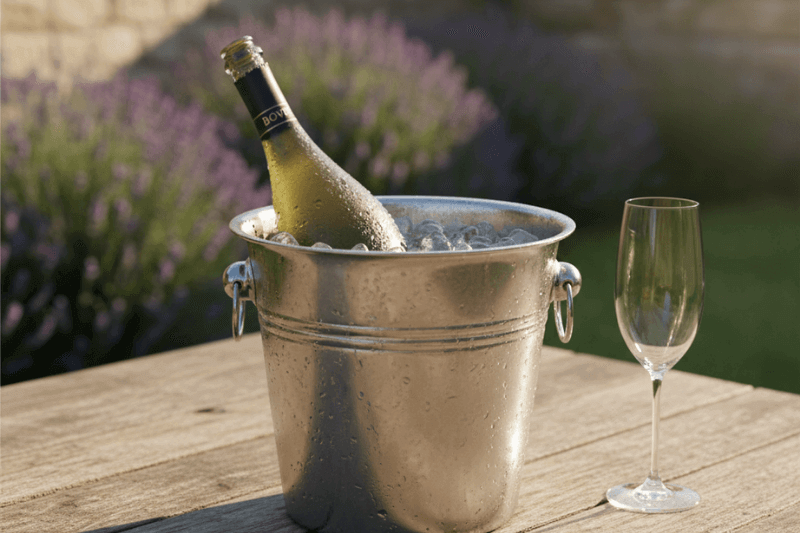
Serving Champagne at the correct temperature changes the entire sensory experience. Temperature influences how bubbles form and rise, how aromatics release from the glass, how sweetness and acidity balance on the palate, and how long the mousse lasts from the first pour to the last. When the wine is served too cold it feels muted and tight, and many of its fruit and pastry notes retreat into the background. When it is served too warm the mousse becomes more aggressive, the alcohol feels broader, and the bubbles dissipate faster.
Champagne also behaves differently from still white wines because it contains dissolved carbon dioxide that reacts directly to temperature. Warmer conditions accelerate pressure release and foam formation, while cooler conditions preserve finesse and precision. Serving Champagne within the correct range allows the wine to open gradually in the glass, revealing aromatic nuance without sacrificing freshness or carbonation. For most bottles this range is 46 to 50°F (8 to 10°C), with vintage, rosé, and prestige cuvées showing more depth and complexity when poured slightly warmer at 50 to 54°F (10 to 12°C).
Key Takeaways
- Ideal Serving Range: 46 to 50°F (8 to 10°C) for most non-vintage Champagne
- Premium Styles: 50 to 54°F (10 to 12°C) for vintage, rosé, and prestige cuvée
- Older/Rare Bottles: up to 57°F (14°C) to release tertiary aromas
- Too Cold: muted aromatics and suppressed flavor
- Too Warm: fast bubble loss and broader alcohol expression
- Best Method to Chill: ice bucket with half water and half ice for 20 to 30 minutes
Temperature Guidelines by Champagne Style
Different Champagne categories reward slightly different temperatures because of variation in aging, dosage, oak usage, and autolysis-driven complexity.
Non-Vintage Brut (NV)
Best Range: 46 to 50°F (8 to 10°C)
Why: highlights crispness, acidity, citrus and orchard fruit notes, and energetic bubbles.
NV Champagne is designed for aperitif freshness, everyday occasions, and wide audience appeal. Serving colder preserves lift and refreshment.
Rosé Champagne
Best Range: 50 to 54°F (10 to 12°C)
Why: supports red fruit aromatics and deeper phenolic texture.
Rosé typically contains pinot noir components that benefit from slightly warmer service.
Vintage and Prestige Cuvée
Best Range: 50 to 54°F (10 to 12°C)
Why: allows the wine to reveal brioche, pastry, vanilla, and dried fruit notes developed from longer lees aging.
These bottles have structure and density that can feel overly tight if served too cold.
Demi-Sec and Sweeter Styles
Best Range: 43 to 46°F (6 to 8°C)
Why: cooler temperatures balance dosage and prevent sweetness from dominating the palate.
Sweeter Champagnes pair well with desserts, fruit tarts, and festive presentations.
Older, Rare, or Library Vintages
Best Range: 54 to 57°F (12 to 14°C)
Why: aged Champagne expresses tertiary flavors such as toasted nuts, honey, mushroom, caramel, and spice.
Warmer service reveals nuance without sacrificing carbonation that has already softened with age.
Why Temperature Matters for Champagne
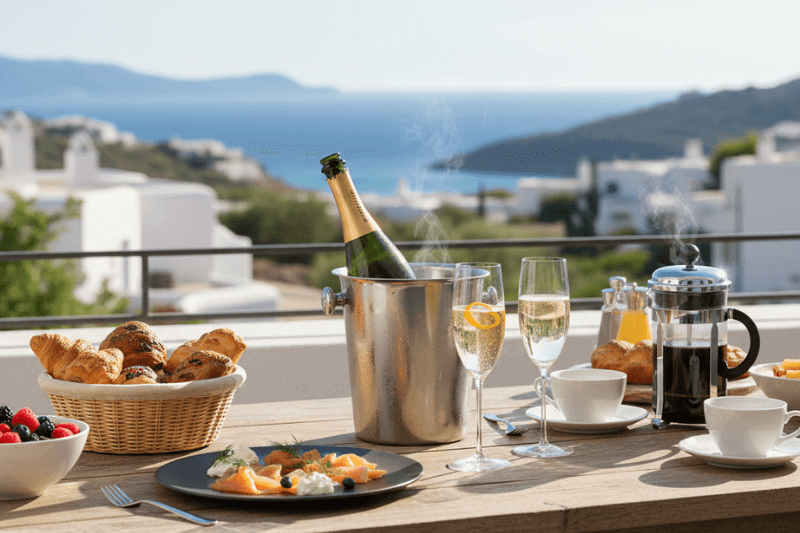
Champagne behaves differently from still wines because it contains dissolved carbon dioxide that reacts directly to changes in temperature. Temperature affects how bubbles form and rise, how aromas lift from the glass, how sweetness and acidity register on the palate, and how long the mousse persists after pouring. It also influences oxidation speed, foam formation, and overall mouthfeel.
If Served Too Cold
Expect:
- muted aromatics
- reduced flavor intensity
- tightened structure
- subdued red fruit tones in rosé
- thinner mousse
When Champagne is over-chilled, taste receptors are numbed and many of the wine’s finer details disappear, especially in vintage cuvées with longer lees aging.
If Served Too Warm
Expect:
- aggressive mousse and rapid CO2 release
- faster bubble dissipation
- broader sweetness and higher alcohol perception
- reduced precision
At warmer temperatures Champagne loses definition and finesse as carbonation escapes and structural balance becomes less focused.
How to Achieve the Perfect Serving Temperature
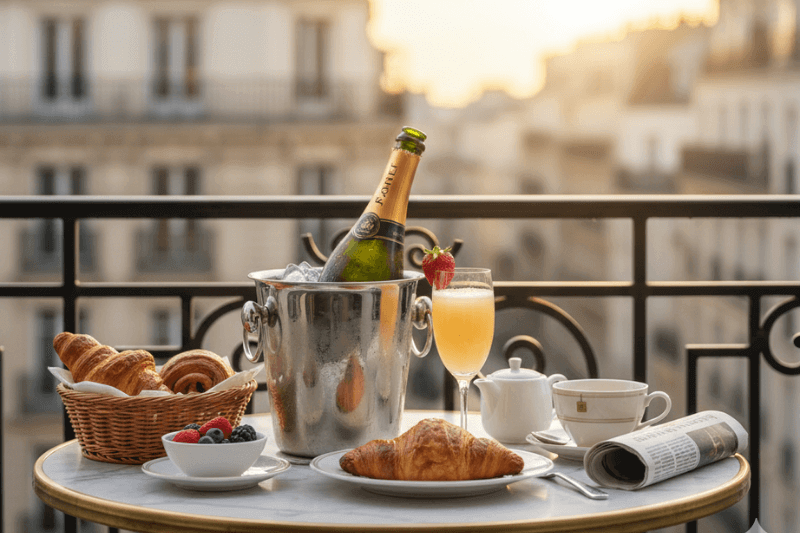
Consumers use three primary methods: refrigerator, ice bucket, or freezer. Only one of them is ideal.
Best Method: Ice Bucket with Water
Fill a bucket with half ice and half cold water. Submerge the bottle.
Chill Time: 20 to 30 minutes
Optional: add a handful of salt to accelerate cooling
Water improves surface contact so cooling is even and efficient.
Refrigerator Method
Place the bottle on its side.
Chill Time: 3 to 4 hours
Use Case: dinner parties, events, gifts, and planned occasions
Refrigerator chilling is gentler and allows internal CO2 pressure to settle evenly.
Avoid the Freezer
The freezer introduces temperature shock which can alter texture and, if forgotten, can freeze and rupture the bottle. The shock may also dull aromatics even when thawed.
Pro-Level Service Tips
Hospitality and sommelier settings adjust temperature in real time because Champagne warms naturally in glassware.
Compensation for Temperature Drift
Champagne typically warms by 2 to 3°F (1 to 2°C) immediately upon pouring due to:
- ambient room temperature
- hand heat transfer
- glass temperature
Professionals remove bottles from ice slightly colder than target temperature so the first glass tastes correct by the second sip.
The Role of Glassware in Temperature Retention
Glassware affects not only aroma and carbonation, but also how long Champagne stays in its ideal temperature range. Different shapes warm at different speeds and either concentrate or diffuse aromatics as the wine opens in the glass.
Flutes
- retain bubbles efficiently
- maintain temperature longer due to narrow shape
- limit aromatic expansion
Flutes are practical for casual or party-style service, where temperature retention and visual sparkle matter more than aromatic complexity.
Tulip Glasses
- showcase aromatics without losing mousse precision
- balance headspace with effervescence
- considered the best all-around choice for quality bottles
Tulip-shaped glasses are preferred for vintage or prestige cuvées because they allow complex aromas to lift while preserving structure.
White Wine Glasses
- highlight tertiary aromatics and layered textures
- provide broader surface area for older Champagnes with softer bubbles
- ideal for gastronomic pairings and rare library releases
Mature Champagne behaves more like an aged white Burgundy, and the wider bowl helps reveal nuance that would feel compressed in a flute.
Pre-chilling the glass maintains freshness without frosting the bowl, ensuring the wine does not warm too quickly as it is poured.
Serving, Storing, and Transporting Considerations
Serving vs Storage Temperature
Cellar storage for Champagne is typically 50 to 55°F (10 to 13°C) with stable humidity. Serving occurs slightly cooler for NV and slightly warmer for aged bottles.
Transporting Bottles
Champagne is sensitive to vibration and heat. For wine tourism or gifting occasions, padded wine totes provide insulation during transit and protect against temperature shock.
Useful Accessories for Maintaining the Ideal Serving Temperature
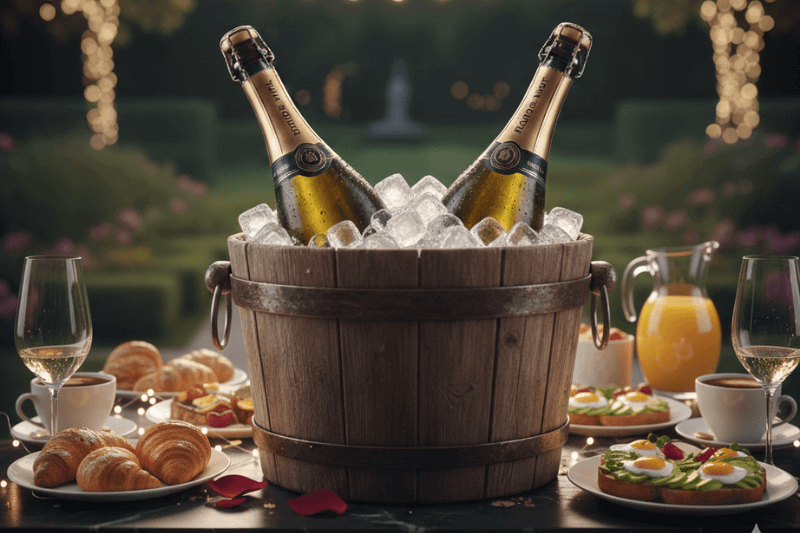
Temperature control does not end once the bottle reaches the correct range. The right accessories help keep Champagne in its optimal state during transport, chilling, and service. Restaurants, hotels, yachts, event planners, and collectors rely on these tools to preserve finesse from the first pour to the last.
Ice Buckets
Ice buckets are the classic hospitality accessory because they maintain continuous cooling throughout a meal or celebration. The most effective setup uses equal parts ice and cold water to maximize bottle contact. This prevents the wine from warming between pours, especially in outdoor or warm dining environments.
Champagne Tumblers and Chilling Sleeves
Insulated tumblers and soft chilling sleeves are portable options for picnics, boat trips, rooftop dinners, and travel where ice buckets are impractical. Their insulation slows heat transfer from the surrounding environment and keeps the bottle within its ideal range longer.
Travel and Wine Tote Bags
For travel and gifting scenarios, padded wine totes protect Champagne from vibration, sunlight, and temperature shock. The insulation layer softens rapid temperature changes that can compromise internal pressure and bubble structure. Many wine tourists use insulated totes to bring bottles home from cellars or duty-free shops without losing quality.
Bottle Stoppers and Preservation Tools
If Champagne is not finished in one sitting, a proper sparkling wine stopper prevents pressure loss and maintains carbonation overnight. Standard still-wine stoppers are not sufficient because they lack the mechanical retention needed to withstand internal CO2 pressure.
Champagne Saber (Optional Service Ritual)
While not temperature-related, sabering is a traditional celebratory method of opening a bottle. It adds spectacle without affecting the wine’s temperature when done correctly and works best with well-chilled bottles to ensure clean glass breakage.
Together, these accessories support the two critical goals of Champagne service: controlling temperature and protecting carbonation.
Serving for the Best Experience
The right temperature for Champagne is not a fixed point but a balance between refreshment and aromatic expression. Lighter non-vintage bottles benefit from cooler service, while complex vintage or rosé cuvées reward warmer temperatures that let texture and tertiary notes emerge. Starting slightly cooler and letting the glass do the rest creates a seamless tasting arc from first pour to final sip.
At Wine-n-Gear, we support the full ritual of Champagne enjoyment with a curated selection of wine and Champagne accessories including Champagne stoppers, Champagne sabers, Champagne glasses, Champagne tumblers, Champagne sippers, Champagne openers, and ice buckets designed for proper chilling and service.