Sparkling Wine Production by Region: Champagne vs Prosecco vs Cava
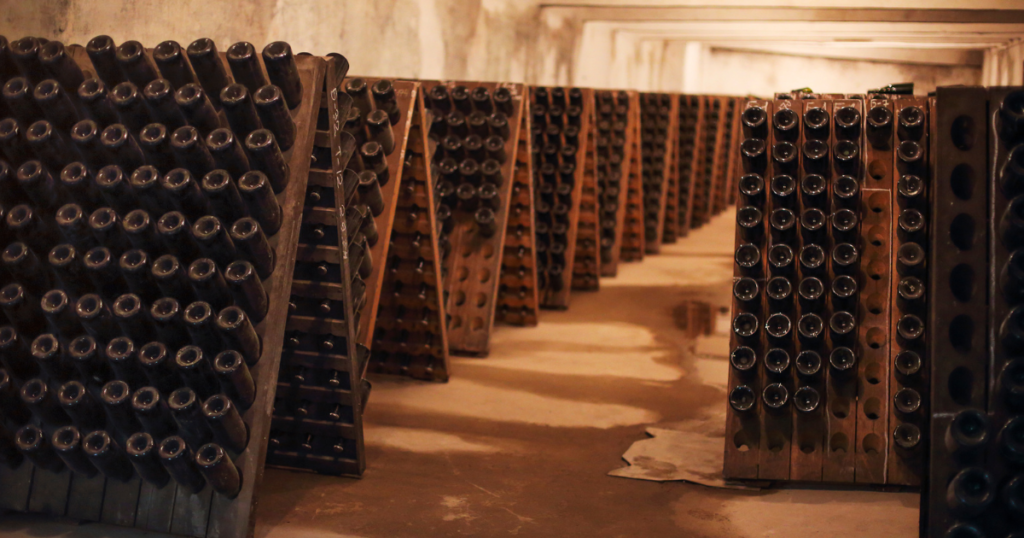
Champagne, Prosecco, and Cava are defined by their region and production method, not just by bubbles. Champagne is made in the Champagne region of France using bottle fermentation for complexity. Prosecco is made in northeastern Italy using tank fermentation for freshness. Cava is made primarily in Spain using bottle fermentation for structure and value.
Sparkling wine is one of the clearest examples of how geography and technique shape flavor. While Champagne, Prosecco, and Cava are often grouped together, they are fundamentally different wines with different intentions, costs, and sensory outcomes.
Key Takeaways
- Production method determines texture, flavor depth, and aging potential.
- Champagne uses bottle fermentation, Prosecco uses tank fermentation, and Cava uses bottle fermentation with different grapes.
- Champagne emphasizes complexity, Prosecco prioritizes freshness, and Cava balances structure and value.
- Price differences reflect labor, aging time, and regulation rather than quality alone.
- Choosing the right sparkling wine depends on occasion, food pairing, and desired experience.
Defining the Three Sparkling Wine Traditions
Champagne represents long-aged, labor-intensive sparkling wine. Prosecco represents aromatic, fruit-forward sparkling wine. Cava represents traditional-method sparkling wine with a Mediterranean profile and accessible pricing.
Each style evolved to express local climate, grapes, and cultural priorities rather than to compete directly.
| Sparkling Wine | Core Identity | Production Focus | Flavor Emphasis | Typical Experience |
| Champagne | Precision and longevity | Bottle fermentation with extended lees aging | Toast, brioche, citrus, minerality | Structured, creamy, complex, age-worthy |
| Prosecco | Freshness and immediacy | Tank fermentation to preserve aromatics | Pear, apple, melon, florals | Light, vibrant, approachable, youthful |
| Cava | Balance and value | Bottle fermentation with native grapes | Citrus, almond, herbal notes | Dry, food-friendly, refined but accessible |
Champagne: Traditional Method and Regional Precision
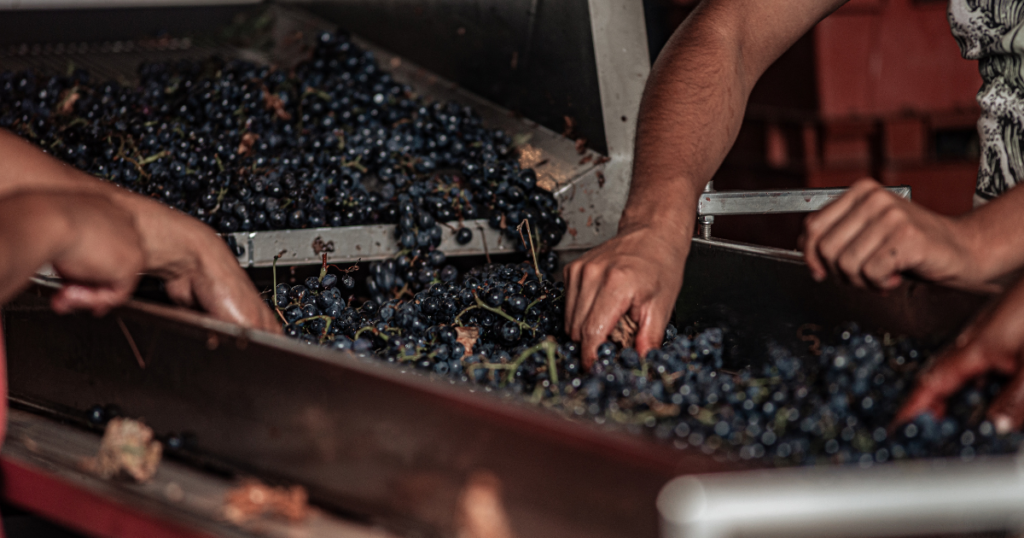
Champagne is produced exclusively in the Champagne region of France using the Traditional Method, where secondary fermentation occurs inside each bottle, creating fine bubbles, creamy texture, and complex flavors from extended lees aging.
Champagne comes from the legally protected region of Champagne, where cool temperatures and chalky soils preserve acidity. The primary grapes are Chardonnay, Pinot Noir, and Pinot Meunier, typically blended for balance and consistency.
Production involves:
- Primary fermentation into still wine
- Blending across vineyards and vintages
- Secondary fermentation in bottle
- Lees aging, often 12 to 60 months
- Riddling and disgorgement
This process produces small, persistent bubbles and flavors such as brioche, toasted nuts, citrus peel, and apple. Time, storage, and labor are the primary drivers of Champagne’s cost.
Prosecco: Charmat Method and Aromatic Freshness
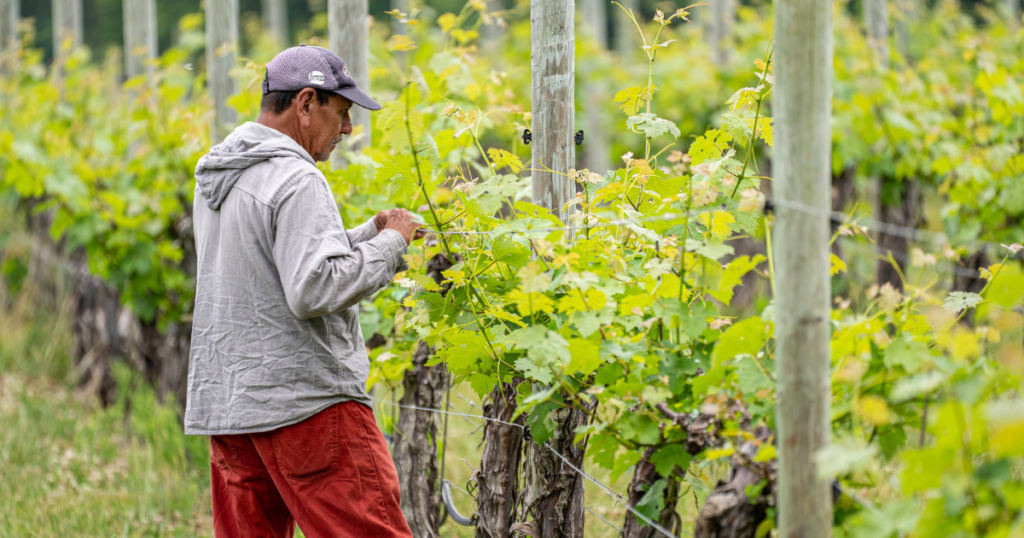
Prosecco is produced in northeastern Italy using the Charmat Method, where secondary fermentation occurs in stainless steel tanks, preserving fresh fruit aromas and creating larger, softer bubbles.
Prosecco originates primarily in Veneto and Friuli Venezia Giulia in Italy. The dominant grape, Glera, is naturally aromatic, emphasizing pear, apple, melon, and floral notes.
Tank fermentation allows producers to:
- Complete production quickly
- Avoid autolytic flavors
- Maintain bright acidity and freshness
Prosecco is designed to be consumed young. It prioritizes approachability and everyday enjoyment rather than aging complexity.
Cava: Traditional Method with Spanish Identity
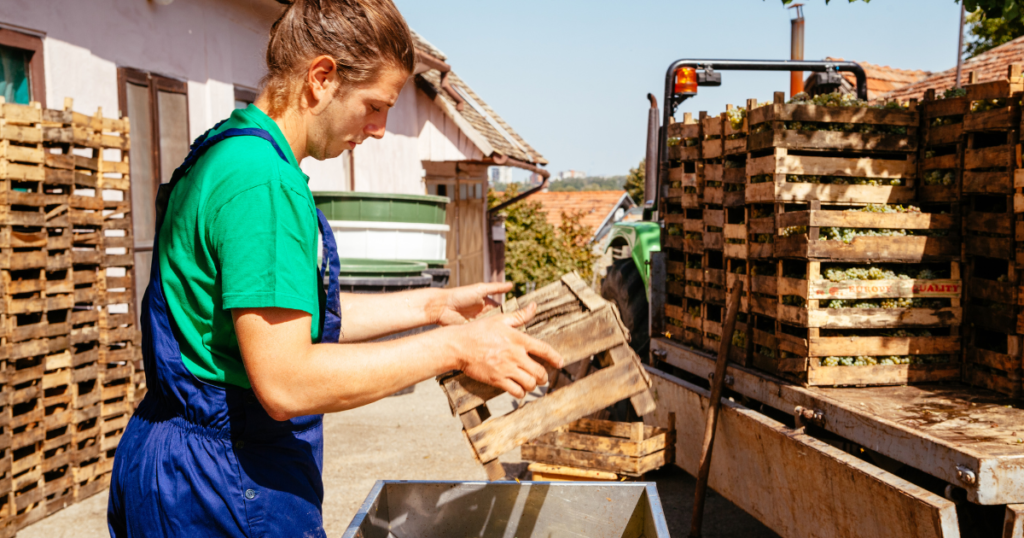
Cava is produced in Spain using the Traditional Method, with bottle fermentation and lees aging, but relies on indigenous grapes that create a drier, earthier profile than Champagne.
Most Cava comes from Penedes, though production spans multiple regions in Spain. Core grapes include Macabeo, Xarel·lo, and Parellada, which deliver citrus, herbal, and mineral notes.
Modern Cava regulations emphasize:
- Longer minimum aging
- Single-village expressions
- Sustainability and traceability
Cava offers traditional-method structure at a lower price due to climate efficiency and lower land costs.
How Production Method Shapes Flavor
Production method directly determines how bubbles form, how aromas develop, and how the wine feels on the palate. Bottle fermentation creates pressure slowly and traps yeast inside the wine, leading to autolysis, the breakdown of yeast cells that produces savory, toasty, and creamy notes. This is why traditionally made sparkling wines feel finer, softer, and more integrated.
Tank fermentation, by contrast, isolates the wine from prolonged yeast contact. This preserves primary fruit and floral aromatics but results in larger bubbles and a lighter mouthfeel. The method favors immediacy and freshness rather than depth, making the wine expressive early but less suited for aging.
Price, Value, and the 2026 Market
Pricing differences among sparkling wines are driven less by branding and more by time, labor, and storage requirements. Traditional Method wines require extended cellar aging, manual handling, and delayed cash flow, all of which increase cost. Tank-method wines move from harvest to market quickly, allowing producers to scale efficiently.
Looking toward 2026, value perception is shifting. Champagne continues to command prestige pricing, but consumers are increasingly selective. Cava is gaining momentum as regulatory reforms emphasize longer aging and terroir transparency, while Prosecco faces saturation pressure and growing segmentation between entry-level and premium DOCG bottlings.
Choosing the Right Sparkling Wine
- For milestone celebrations or formal events: Choose Champagne for its depth, structure, and ceremonial presence.
- For casual gatherings or aperitifs: Choose Prosecco for its freshness, approachability, and aromatic lift.
- For food-focused meals: Choose Cava for its acidity, dryness, and compatibility with savory dishes.
- For gifting with value in mind: Choose aged or single-village Cava to deliver craftsmanship without luxury pricing.
- For frequent enjoyment: Choose based on production method rather than brand recognition.
Champagne vs Prosecco vs Cava: Final Production Comparison
Sparkling wine is ultimately defined by how and where it is made. Champagne, Prosecco, and Cava follow three distinct production paths shaped by regional law, climate, grape selection, and winemaking intent. When those differences are understood, sparkling wine stops being a generic category and becomes a deliberate craft choice. At Wine-n-Gear, we view this clarity as the key to choosing the right bottle with confidence, purpose, and appreciation rather than hype.