What Is a Port Decanter and Why Should You Use One?
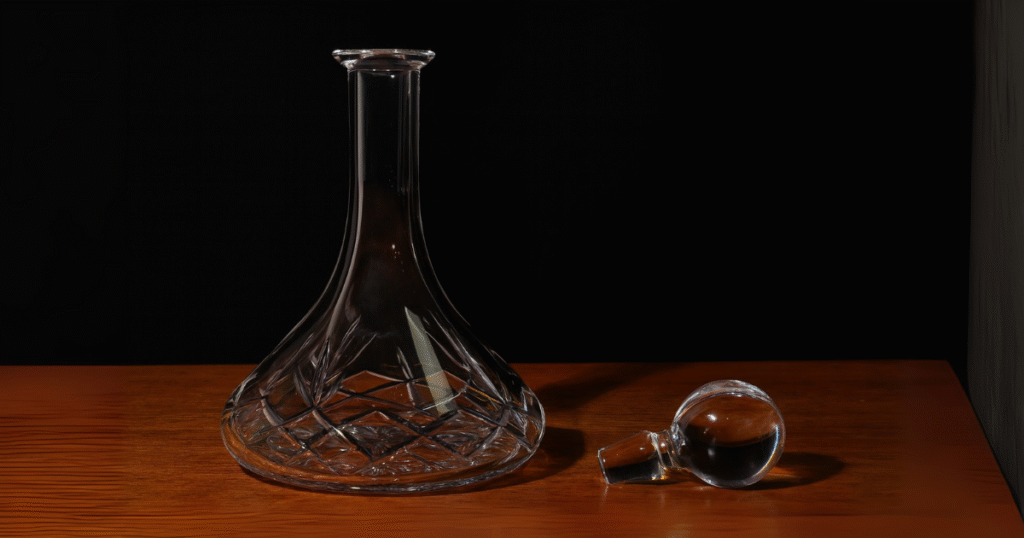
A port decanter is a vessel made of glass or crystal that you use to separate sediment from port while unlocking its flavors, aromas, and the tradition of presentation, which is why every port drinker should consider using one. When we speak of port, we are not only speaking of a fortified wine with bold character but also of a long-standing tradition of elegance and ceremony. In this guide, we go deeper than the basics, showing how a port decanter can change the way you enjoy wine, uncovering subtleties that are often overlooked.
Key Takeaways
- Port decanters enhance clarity by separating sediment, ensuring every pour is clean and visually appealing.
- Aeration from a port decanter unlocks layered aromas and flavors that remain hidden in the bottle.
- Tradition of using a port decanter elevates serving into a shared ritual that adds elegance to the experience.
- Design of a port decanter allows smoother pouring and highlights the rich color of the wine.
- Investing in a quality port decanter preserves both flavor and ceremony, making each glass more memorable.
Understanding Port and the Need for Decanting
Port is a fortified wine that originated in Portugal’s Douro Valley. Its higher alcohol level and rich sweetness set it apart from many other wines. You will encounter different types: Ruby with its youthful vibrancy, Tawny with its nutty aged character, and Vintage, which is considered the crown jewel of port styles.
With vintage and some late bottled vintage ports, sediment naturally develops as the wine matures. Left unchecked, this sediment can cloud the glass, disturb the texture, and mute the flavors. Decanting is the answer. Pouring port into a decanter not only separates it from sediment but also introduces oxygen, which wakes up dormant aromas and layers of taste.
There is also tradition at play. In fine dining and historic settings, the passing of the decanter is more than functional. It is a ritual that connects guests around the table, a mark of respect, and a way to share the port in both spirit and liquid form.
What Is a Port Decanter?
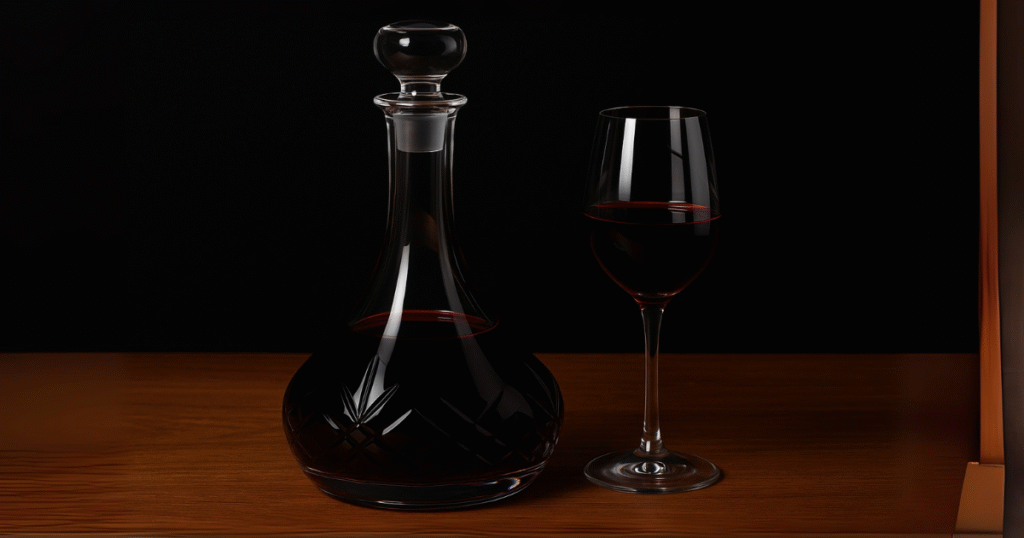
A port decanter is typically made of glass or crystal. Its transparency lets us admire the depth and clarity of the wine inside. The broad base maximizes oxygen contact, while the slender neck and fitted stopper preserve the wine after pouring.
- Clear glass or crystal ensures visibility and elegance.
- Wide base promotes effective aeration of the port.
- Narrow neck with stopper supports controlled pouring and preservation.
How It Differs from Carafes or Regular Decanters
A carafe is simpler, often missing a stopper, and is usually intended for casual use. Regular wine decanters are built to aerate young wines, but they do not always address the unique needs of port. A true port decanter combines function with ceremony, preventing spills and enhancing presentation.
- Carafes are casual pieces without stoppers.
- Standard wine decanters handle young wines but not all ports.
- Port decanters add refinement, minimize drips, and keep the wine brilliantly clear.
Key Benefits of Using a Port Decanter
Sediment Separation
Vintage ports contain significant sediment. Standing the bottle upright before decanting gives the particles time to settle. Pouring carefully ensures that only the clean wine reaches the decanter. This step preserves both the clarity and texture of the port.
Aeration and Flavor Enhancement
Exposing port to oxygen in the wide base of a decanter helps it release aromas of dried fruits, spices, and chocolate. What may have seemed closed or muted in the bottle becomes layered and expressive. The contact with air allows subtle flavors to emerge that would otherwise stay hidden. Proper aeration makes each sip more memorable and complex.
Tradition, Presentation, and Experience
Decanting is about more than utility. Presenting port in a fine decanter adds a sense of occasion. Guests lean in, admire the wine’s color, and share in the anticipation before the first sip. The act itself becomes a ritual that connects everyone at the table.
Ease of Pouring and Visual Appeal
The design of a port decanter allows smooth pouring with minimal dripping. It also showcases the wine’s clarity and hue, which enhances the visual pleasure of the experience. A well‑shaped decanter makes serving easier and more graceful. The clear vessel also highlights the richness of the port’s color and body.
How to Decant Port Properly

Preparing the Bottle
If the bottle has been stored horizontally, place it upright for at least 24 hours to let the sediment settle. For very old bottles with fragile corks, port tongs can be used to remove the neck of the bottle cleanly without risking cork crumbling.
Decanting Steps
When ready, pour slowly and steadily into the decanter. Hold a light behind the neck of the bottle to spot sediment approaching. Stop before it clouds the wine in the decanter.
Aeration Timing
Young ports may only need 15 to 30 minutes of air, while dense or older vintages might benefit from several hours. There is a delicate balance, however. Too much aeration can strip away freshness and leave the wine tired.
Choosing the Right Port Decanter

Material and Shape
Crystal and glass are ideal materials for clarity and elegance. They let you see the richness of the port and its subtle colors. A wide base is essential for effective aeration, allowing the wine to breathe fully. Choosing the right material and shape ensures both beauty and function at the table.
Functionality vs. Aesthetics
Traditional rounded shapes have enduring charm. Modern angular decanters can double as conversation pieces that spark interest at gatherings. Both serve the same purpose of enhancing the port experience. Your choice should reflect not only design preference but also the atmosphere you want to create.
Practical Considerations
Consider the size of the decanter relative to the bottles you typically serve. Ease of cleaning plays an important role in regular use. Wide necks simplify rinsing, while cleaning beads or brushes can help with narrow designs. Choosing a practical model ensures convenience without sacrificing elegance.
Expert-Recommended Styles
Many wine enthusiasts recommend brands like Riedel and Godinger for their craftsmanship and usability. These decanters are praised for balancing beauty with everyday functionality. Investing in a well‑made piece ensures it will serve you for many years. The right style can become both a trusted tool and a centerpiece for special occasions.
Maintenance and Care Tips
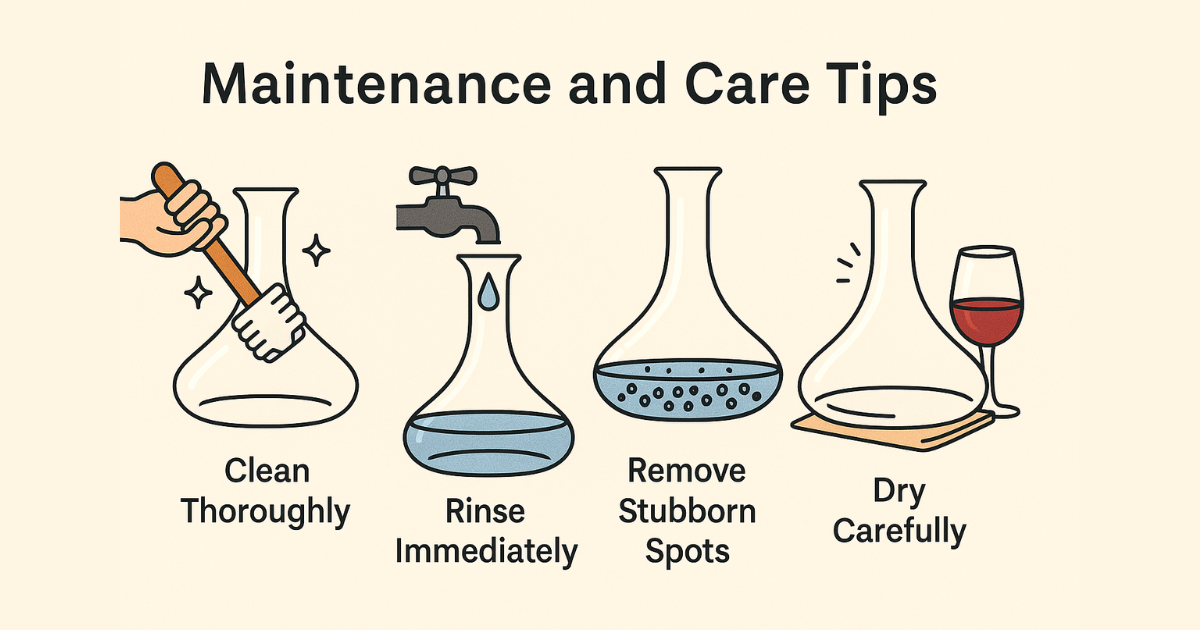
- Clean thoroughly: Cleaning a decanter properly is essential to preserve clarity and hygiene.
- Rinse immediately: Always rinse after use to avoid stains or residue.
- Remove stubborn spots: Use cleaning beads with warm water to reach difficult areas.
- Dry carefully: Allow the decanter to dry fully before storage in a dust‑free cabinet.
- Maintain quality: Proper care not only preserves appearance but also ensures that the next pour will be as pure and enjoyable as the first.
Why Every Port Lover Needs a Decanter
A port decanter is more than an accessory. It is a bridge between tradition and flavor, between ceremony and sensory experience. By separating sediment, unlocking aromas, and elevating presentation, it transforms a glass of port into an unforgettable moment.
When you invest in a quality decanter, you are not just buying glassware. You are investing in the ritual of wine, the joy of sharing, and the legacy of port itself. We believe that every wine lover should experience port as it was meant to be enjoyed. At Wine‑n‑Gear, we take pride in offering the tools and knowledge to make those experiences possible, and we look forward to helping you savor every pour.