Choosing the Right Glassware for Artisan Spirits

Artisan spirits represent the height of craftsmanship, where every note, aroma, and finish has been carefully developed. From small-batch gin to cask-aged rum and single malt whiskey, these spirits carry complex profiles meant to be experienced, not simply consumed. One crucial detail often overlooked in the tasting experience is the role of proper glassware. The shape, size, and design of a glass can influence everything from aroma diffusion to flavor delivery and even how the spirit maintains its ideal temperature.
At Wine-n-Gear, we understand that choosing the right glass enhances how every artisan spirit is enjoyed. Whether you are building a home bar or outfitting a professional setting, matching each spirit with the glass designed for it brings out the best of what the distiller intended. Before diving into specific recommendations, it’s worth taking a closer look at what qualifies a spirit as “artisan” and why glassware selection plays such a vital role in appreciating its depth.
Key Takeaways:
- Selecting the right glassware enhances the aroma, texture, and overall tasting experience of artisan spirits, ensuring the full complexity of the beverage is appreciated.
- Glass shape and design are essential for controlling aroma release and directing liquid across the palate, allowing nuanced flavors to shine.
- Specialized glasses are crucial for specific spirits, such as tulip glasses for tequila and brandy snifters for cognac, as they cater to each drink’s unique characteristics.
- Universal tasting glasses offer versatility for spirit tastings and home bars, providing a balanced, functional design that works across a range of drinks.
- Proper care and maintenance of glassware, including thorough cleaning and correct storage, ensures clarity, prevents residue buildup, and preserves the integrity of the spirit experience.
Understanding Artisan Spirits
Small-batch distillers have redefined how spirits are crafted, placing emphasis on tradition, creativity, and quality. Artisan spirits are typically made in limited quantities using hands-on techniques, often by independent or locally rooted producers. The goal is to create a spirit with depth, character, and a clear sense of origin.
These drinks are shaped by the ingredients, the process, and the people behind them. From fermentation to aging, every step is designed to highlight natural flavors and preserve integrity. Instead of additives or shortcuts, artisan producers rely on detail, patience, and a passion for storytelling through taste.
Common examples of artisan spirits include:
- Botanical gins made with wild-foraged herbs and citrus peel
- Small-batch bourbons aged in custom-charred American oak barrels
- Naturally fermented rums distilled in copper stills for added complexity
- Mezcal produced in traditional palenques using agave roasted underground
- Fruit brandies created from single-orchard harvests with minimal intervention
- Aged tequilas matured in whiskey or wine casks for layered flavor
Each of these is meant to be savored slowly, allowing the drinker to appreciate the craftsmanship in every sip. Choosing glassware that supports aroma, temperature, and texture brings these spirits fully to life.
Why Glassware Matters in the Tasting Experience

Every artisan spirit tells a story through its aroma, texture, and finish—and the glass serves as the medium through which that story is revealed. The right glass doesn’t just hold the drink; it enhances how the spirit unfolds on the nose and palate. The shape of the bowl affects how aromas collect, the width of the rim controls the pace and path of the sip, and the weight and texture influence how the experience feels in hand.
When the wrong glass is used, nuances can be muted or lost entirely. For example, a delicate gin with floral notes served in a heavy tumbler might lose its crispness, while a robust bourbon poured into a narrow flute may feel constrained. Understanding how glassware functions as part of the sensory experience is essential for capturing the essence of each spirit.
The Science Behind Glass Design
The interaction between a spirit and its glass is rooted in chemistry, physics, and human perception. When a pour hits the bowl, a cascade of sensory reactions begins—not by chance, but by design. Glassware acts as a conductor, shaping how aromas evolve, how the spirit moves across the palate, and how each sip is felt.
Volatile compounds released by high-quality spirits need space to bloom and rise. Glasses with inward-curving rims can trap these vapors just long enough for them to be appreciated before dispersing. Meanwhile, glasses with a flared lip send the spirit across a wider area of the tongue, which subtly adjusts how sweetness or sharpness is perceived.
Temperature plays its own role in this equation. Spirits served too warm can taste flat or overly alcoholic, while those too cold may mask the subtleties. A well-designed glass either minimizes or encourages heat transfer depending on the spirit being served. For example, brandy glasses intentionally allow hand warmth to gently coax out rich, deep notes, while stemmed glasses for gin or tequila protect crisp botanicals and lighter aromas.
Beyond the senses of taste and smell, the weight, balance, and even the resonance of clinking contribute to the ritual of drinking artisan spirits. The entire sensory system is engaged, and the right glass becomes not just a vessel, but a tool that enhances how flavor is translated from liquid to experience.
Matching Spirits with Their Ideal Glass
Pairing the right glass with the right spirit doesn’t just elevate flavor—it also brings forward the craftsmanship behind each pour. Below are specific matches that highlight the strengths of each artisan spirit category.
Whiskey and Bourbon

Glasses like the Glencairn or copita shape are preferred for single malts and small-batch bourbons. Their curved bowl and tapered mouth concentrate aromas, helping to reveal layers of vanilla, oak, and spice. For those who enjoy whiskey on the rocks, a heavy-bottomed tumbler offers space for ice while still delivering a satisfying mouthfeel.
Gin

For gin and tonics, the Copa de Balon glass offers room for ice and garnish while preserving bright aromatics. When enjoying small-batch gin neat, a Nick and Nora or tulip-shaped tasting glass helps showcase delicate botanicals like juniper, coriander, or citrus zest without overwhelming the senses.
Rum

Aged rums benefit from snifters or tulip glasses that allow molasses, spice, and oak notes to rise gently toward the nose. Agricole rums or lighter expressions do better in narrower glasses that retain their freshness and showcase their herbal or grassy character.
Tequila and Mezcal

Blanco tequilas shine in flute-like glasses or tasting copitas that keep brightness locked in. For aged expressions or mezcal, tulip glasses or shallow clay copitas let the smoky, earthy tones expand while encouraging slower, thoughtful sipping.
Brandy and Cognac

While traditional brandy snifters warm the spirit in the palm and coax out rich fruit and spice, many professionals now prefer tulip-shaped glasses for greater aroma control. These options keep ethanol burn low and allow more precision when assessing layered flavor profiles.
Key Factors to Consider When Choosing Glassware

Before adding new glasses to your collection, it’s helpful to understand how small details influence the experience. These considerations guide both aesthetics and performance.
- Shape of the bowl: Larger bowls encourage oxidation for aged spirits, while narrow bowls preserve freshness.
- Rim diameter: Narrow rims capture aroma and focus the sip. Wider rims create an open, casual pour.
- Glass thickness: Thin rims feel more refined; thicker glass is sturdier and retains temperature better.
- Stem vs. stemless: Stemmed glasses help maintain temperature. Stemless glasses are easier to handle but may transfer heat.
- Weight and balance: A heavier base provides stability and makes the glass feel grounded during use.
- Clarity and craftsmanship: Transparent, high-quality glass allows visual assessment of color, clarity, and legs.
- Cleaning and maintenance: Crystal glasses offer elegance but may require careful handling. Dishwasher-safe glassware is better for daily use or busy service settings.
Each element shapes the way the spirit is experienced—from first glance to final sip.
Universal Tasting Glasses: Versatility Meets Performance
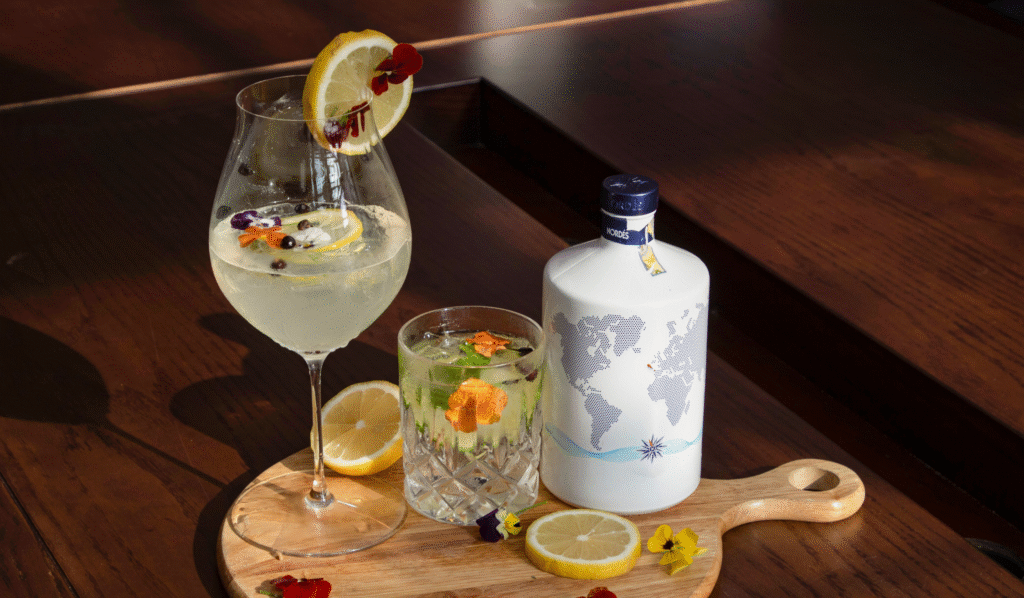
While specialized glassware enhances specific profiles, universal tasting glasses provide a balanced middle ground for those who want one shape that performs well across categories. Typically tulip-shaped with a slight taper and stem, these glasses deliver solid aroma concentration, visual clarity, and tasting control.
They’re particularly useful in:
- Spirit tasting events
- Professional evaluations
- Home bars with limited space
- Hospitality settings where functionality meets aesthetics
Though they may not highlight the subtleties of every spirit as intensely as tailored glassware, they offer consistency and ease for those exploring a wide range of drinks.
Presentation and Care: Respecting the Ritual
Proper presentation signals respect—not only for the spirit itself but also for the person enjoying it. Clean, polished glasses without smudges or dust help maintain purity of flavor. Attention to detail in service, like pairing the glass with a coaster, water dropper, or tasting mat, adds professionalism and ceremony to the experience.
Glassware should be:
- Rinsed with warm water to avoid soap residue
- Dried with lint-free cloths to preserve clarity
- Stored upright in dust-free environments
- Handled by the base or stem to prevent smudging and maintain temperature
These simple care steps extend the life of your glassware and ensure that every tasting remains as pure and expressive as the spirit inside.
The Role of Glassware in the Full Experience
Every part of the drinking ritual contributes to how a spirit is perceived—sight, smell, taste, touch. The right glass amplifies these senses, allowing the spirit’s story to unfold with depth and clarity. The wrong glass, even if only slightly off, can dull the edges of that experience and obscure the distiller’s intent.
By making thoughtful choices about glassware, you turn each pour into something more deliberate. You create space for silence between sips, for complexity to emerge, and for the subtle traits of each small-batch spirit to shine.
A More Intentional Way to Serve and Sip

Glassware is more than a finishing touch. It’s a crucial piece of how artisan spirits are shared, evaluated, and appreciated. At Wine-n-Gear, we believe that the right glass does justice to the drink, the maker, and the moment. For collectors, hosts, and professionals alike, curating a well-considered set of glassware reflects both care and understanding.
Whether you’re serving a smoky mezcal in a handcrafted copita or offering aged rum in a tulip glass, the choices you make at the table can elevate the entire experience. Taste becomes memory, and with the right glass, that memory lasts longer.